From legal highs to tighter rules: Thailand rethinks weed rules after tourist boom
Thailand, once a pioneer in Asian cannabis legalization, is now tightening its regulations, restricting cannabis use to medical purposes only. Tourists and locals alike will require prescriptions to purchase cannabis products, signaling a shift aw...
By ET Online |

Agencies
Three years after becoming the first Asian country to legalise cannabis, Thailand has introduced new rules that restrict access to medical use only. From this week, both locals and tourists will need a doctor’s prescription to buy cannabis products, as authorities move to curb widespread recreational use and unregulated sales.
Thailand’s Public Health Minister Somsak Thepsutin told CNN that cannabis must now be clearly understood as “permitted for medical use only.” The move marks a shift from the country’s earlier open approach, which had seen thousands of cannabis dispensaries and cafes pop up across popular destinations like Bangkok, Phuket, and Pattaya.
Under the new regulations, licensed cannabis shops can sell products only to customers with a valid medical certificate. Sellers must maintain detailed records and are subject to government inspections. Advertising is banned, and cannabis sales via vending machines and online platforms are now prohibited.
Tourists who previously purchased cannabis casually in tourist hubs will now be required to present a prescription, either from a Thai doctor or one from their home country — for conditions such as epilepsy, chemotherapy-related nausea, or chronic pain.
“We want to tell tourists they are welcome to enjoy Thailand’s culture and nature — but Thailand should not be seen as a destination for recreational cannabis use,” said Minister Somsak.
The initial phase of legalization, which began in 2022, led to a surge in cannabis-linked businesses, festivals, and dispensaries. While this attracted international attention, it also created a legal vacuum. Complaints rose over public consumption, youth access, and smuggling. Between October 2024 and March 2025, authorities arrested over 800 suspected cannabis smugglers and seized more than nine metric tons of the drug.
Cannabis entrepreneurs and advocates have expressed concern over the lack of clarity and sudden shift in policy. Many fear the restrictions will hurt small businesses and farmers already struggling with low prices and oversupply. “Everything must be traceable and truly safe. That’s the core principle,” said Ake Khattiyadamrong, a dispensary owner in Chonburi province.

From a traveller’s standpoint, the key takeaway is that recreational cannabis use is now off the table. Tourists should not expect to walk into dispensaries without medical documents. Public consumption is not allowed, and possession without a prescription may result in penalties.
Thailand’s cannabis policy remains in transition. A new bill aimed at fully regulating the sector is expected to be tabled in Parliament later this year. Until then, visitors are advised to stay informed and cautious when it comes to cannabis use during their stay.
Thailand’s Public Health Minister Somsak Thepsutin told CNN that cannabis must now be clearly understood as “permitted for medical use only.” The move marks a shift from the country’s earlier open approach, which had seen thousands of cannabis dispensaries and cafes pop up across popular destinations like Bangkok, Phuket, and Pattaya.
Under the new regulations, licensed cannabis shops can sell products only to customers with a valid medical certificate. Sellers must maintain detailed records and are subject to government inspections. Advertising is banned, and cannabis sales via vending machines and online platforms are now prohibited.
Tourists who previously purchased cannabis casually in tourist hubs will now be required to present a prescription, either from a Thai doctor or one from their home country — for conditions such as epilepsy, chemotherapy-related nausea, or chronic pain.
“We want to tell tourists they are welcome to enjoy Thailand’s culture and nature — but Thailand should not be seen as a destination for recreational cannabis use,” said Minister Somsak.
The initial phase of legalization, which began in 2022, led to a surge in cannabis-linked businesses, festivals, and dispensaries. While this attracted international attention, it also created a legal vacuum. Complaints rose over public consumption, youth access, and smuggling. Between October 2024 and March 2025, authorities arrested over 800 suspected cannabis smugglers and seized more than nine metric tons of the drug.
ADVERTISEMENT
Cannabis entrepreneurs and advocates have expressed concern over the lack of clarity and sudden shift in policy. Many fear the restrictions will hurt small businesses and farmers already struggling with low prices and oversupply. “Everything must be traceable and truly safe. That’s the core principle,” said Ake Khattiyadamrong, a dispensary owner in Chonburi province.
Thailand continues to be a top international destination for Indian travelers, with recent tourism trends showing a sharp rise in visits. Known for its rich cultural heritage, scenic landscapes, and vibrant street life, the Southeast Asian nation has become a preferred getaway for tourists seeking both relaxation and adventure.


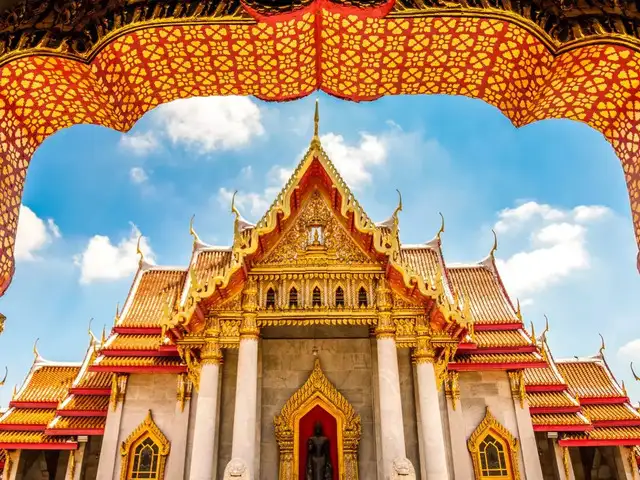


From a traveller’s standpoint, the key takeaway is that recreational cannabis use is now off the table. Tourists should not expect to walk into dispensaries without medical documents. Public consumption is not allowed, and possession without a prescription may result in penalties.
Thailand’s cannabis policy remains in transition. A new bill aimed at fully regulating the sector is expected to be tabled in Parliament later this year. Until then, visitors are advised to stay informed and cautious when it comes to cannabis use during their stay.
Download
The Economic Times Business News App for the Latest News in Business, Sensex, Stock Market Updates & More.
The Economic Times Business News App for the Latest News in Business, Sensex, Stock Market Updates & More.
ADVERTISEMENT


