
Europe on fire: How to stay safe as heatwave grips the continent
1/10
Scorching temperatures sweep across Europe
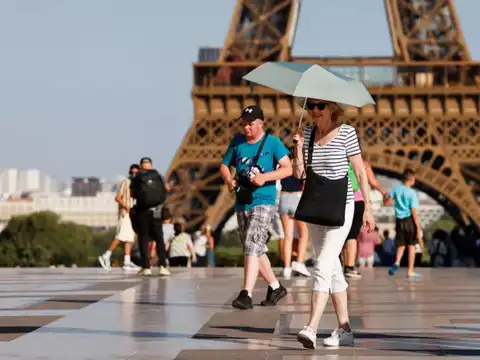
Europe is currently experiencing an intense and widespread heatwave, with several countries seeing record-breaking temperatures and extreme weather alerts. In cities across the continent, authorities are racing to protect vulnerable groups and prevent heat-related emergencies.
The United Nations has warned that such heat is no longer an anomaly but has become “the new normal,” highlighting the growing impact of climate change.
The United Nations has warned that such heat is no longer an anomaly but has become “the new normal,” highlighting the growing impact of climate change.

2/10
Spain and Portugal face scorching heat
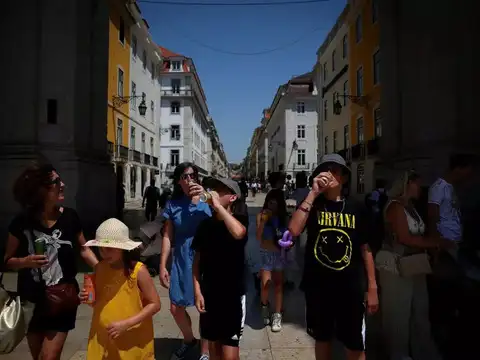
In Spain, temperatures soared past 46°C in some areas, with the national weather agency warning that the first major heatwave of the year would likely last until Thursday. Sunday’s average national temperature set a new record for June since tracking began in 1950. Across the border, Portuguese authorities issued red heat alerts for seven regions as temperatures climbed to 43°C. The relentless heat is raising serious health and environmental concerns across the Iberian Peninsula.
3/10
Fires and health alerts across France and Italy
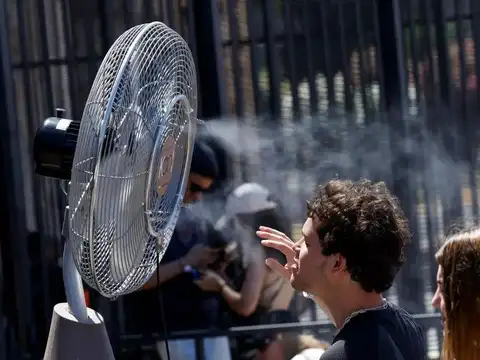
France is seeing its first major forest fires of the season, with over 400 hectares burning in the southern Aude region. Paris has set up misting stations along the Seine to help residents and tourists cope.In Italy, 21 cities have been placed under the Health Ministry’s “red” alert due to emergency-level heat conditions. Northern Italy is facing torrential rains and flash floods, while in the south, work restrictions have been imposed due to the extreme temperatures.
Amazon Top Deals
POWERED BY

4/10
Wildfires and rising temperatures in Turkey, Germany, and the UK
In Turkey, wildfires near residential areas have forced the evacuation of villages and led to temporary closure of Izmir Airport. Over 1,500 people were displaced in Hatay province as flames threatened homes. Germany is also bracing for highs of 39°C, with some towns restricting water usage.In the UK, the Wimbledon tennis tournament recorded one of its hottest opening days, with special rules allowing players to take breaks once temperatures cross 30.1°C mid-match.
5/10
Stay hydrated and rest during peak hours
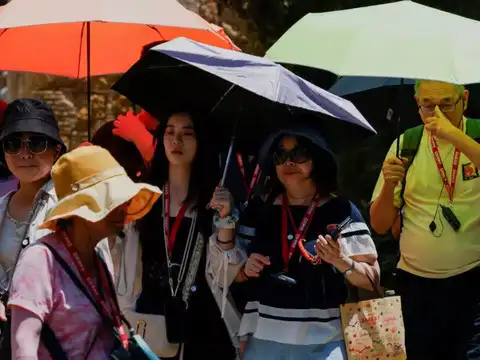
Extreme heat increases the risk of dehydration and heatstroke. Travelers should drink water frequently, even when not thirsty. Avoid alcohol and caffeine, as they can worsen dehydration.
Plan your outdoor activities early in the morning or after sunset, and seek shelter in shaded or air-conditioned spaces during the hottest part of the day, typically from 12 PM to 4 PM.
Plan your outdoor activities early in the morning or after sunset, and seek shelter in shaded or air-conditioned spaces during the hottest part of the day, typically from 12 PM to 4 PM.
6/10
Choose air-conditioned transport and accommodation
When booking accommodations or day trips, check for air-conditioning or proper ventilation. While many European cities traditionally rely on natural cooling, modern properties offer better protection against heat.
For public transport, opt for newer buses or metro lines that offer cooling systems. Avoid long walks in the midday sun when planning city tours.
For public transport, opt for newer buses or metro lines that offer cooling systems. Avoid long walks in the midday sun when planning city tours.

7/10
Dress light and protect your skin
Wearing the right clothing can make a significant difference. Lightweight, breathable, and light-coloured clothing helps reflect heat and keep the body cool. Don’t forget to apply sunscreen with SPF 30 or higher, and reapply it every few hours when outdoors. Wide-brimmed hats and UV-protective sunglasses are also effective in shielding against direct sun exposure.

8/10
Be mindful of health risks and local alerts
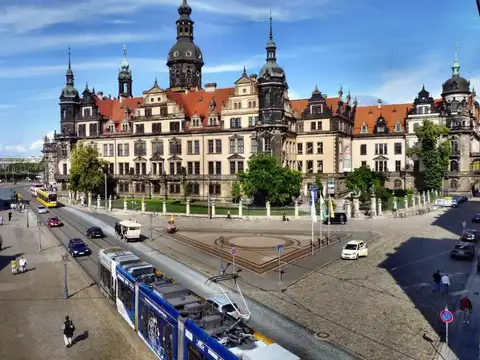
Older adults, young children, outdoor workers, and those with chronic illnesses are particularly vulnerable during heatwaves. If you are travelling with family, especially elders or infants, make sure they are well-hydrated and not exposed to direct sun. Monitor local news and government alerts regularly. Cities often open public cooling zones or emergency services when temperatures rise dangerously.
9/10
Travel smart and stay aware
Adapt your travel plans according to weather advisories. Avoid remote outdoor excursions during extreme temperatures and stay close to areas with medical or emergency access. Carry essential supplies, including water, electrolytes, and cooling wipes. Understanding the local emergency numbers and nearest medical services can make a critical difference during a heat-related incident.
10/10
Be mindful of what you eat and drink
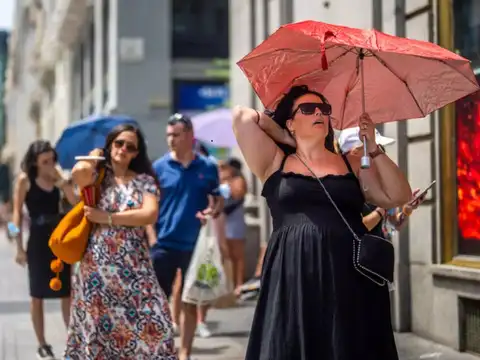
During extreme heat, heavy or greasy meals can make your body feel more sluggish and raise internal temperature. Choose light, easily digestible meals like salads, yogurt, and fresh fruits. Avoid excessive alcohol and caffeinated drinks, they can dehydrate you faster. Opt for fresh juices or electrolyte-rich beverages to maintain energy while touring in the heat.