Bali immigration authorities confirm tourists must carry passports at all times
Bali's immigration authorities have confirmed that all foreign visitors must carry their passports and stay permits when outside their accommodation. This confirmation follows increased patrols by a newly deployed immigration task force across Bal...
By ET Online |

Agencies
Immigration authorities in Bali have confirmed that all foreign visitors must carry their passports and stay permits whenever they leave their accommodation. The confirmation follows stepped-up patrols by a newly deployed immigration task force across the island’s main tourist hubs.
According to a report by The Bali Sun, Indonesia’s Minister for Immigration, Agus Andrianto, announced in early August that 100 officers from the Bali Regional Immigration Patrol Task Force would monitor busy areas including Canggu, Seminyak, Kerobokan, Sanur, Benoa, Uluwatu, Bingin, Mertasari, Kuta, Nusa Dua, Ubud, and Legian.
As per recent video updates from the Ngurah Rai Immigration Office showed officers conducting random checks in Nusa Dua. In one post, the office said, “One of the important roles of immigration officers in the field is to conduct a random check on WNA in Bali, especially in the working area of the Ngurah Rai Immigration Office. This check aims to ensure that each WNA complies with the rules and regulations of the immigration administration.” WNA refers to foreign citizens.
Officers were seen asking tourists about their stay and whether they carried passports with them. Several visitors admitted they had left documents at their hotels. They were informed of the requirement but were not fined or penalised.
The checks are part of a wider response to rising cases of visa violations in Bali. Immigration officers, equipped with uniforms, body cameras, and patrol vehicles, are conducting these checks in teams across popular destinations.

Officials also suggested that in future, immigration officers may verify payment of the Bali Tourism Tax Levy, though the responsibility currently falls to the Tourism Task Force under the provincial government.
The stepped-up enforcement signals a tighter monitoring regime for international visitors, with authorities underlining that passports are mandatory at all times while moving around the island.
According to a report by The Bali Sun, Indonesia’s Minister for Immigration, Agus Andrianto, announced in early August that 100 officers from the Bali Regional Immigration Patrol Task Force would monitor busy areas including Canggu, Seminyak, Kerobokan, Sanur, Benoa, Uluwatu, Bingin, Mertasari, Kuta, Nusa Dua, Ubud, and Legian.
As per recent video updates from the Ngurah Rai Immigration Office showed officers conducting random checks in Nusa Dua. In one post, the office said, “One of the important roles of immigration officers in the field is to conduct a random check on WNA in Bali, especially in the working area of the Ngurah Rai Immigration Office. This check aims to ensure that each WNA complies with the rules and regulations of the immigration administration.” WNA refers to foreign citizens.
Officers were seen asking tourists about their stay and whether they carried passports with them. Several visitors admitted they had left documents at their hotels. They were informed of the requirement but were not fined or penalised.
The checks are part of a wider response to rising cases of visa violations in Bali. Immigration officers, equipped with uniforms, body cameras, and patrol vehicles, are conducting these checks in teams across popular destinations.
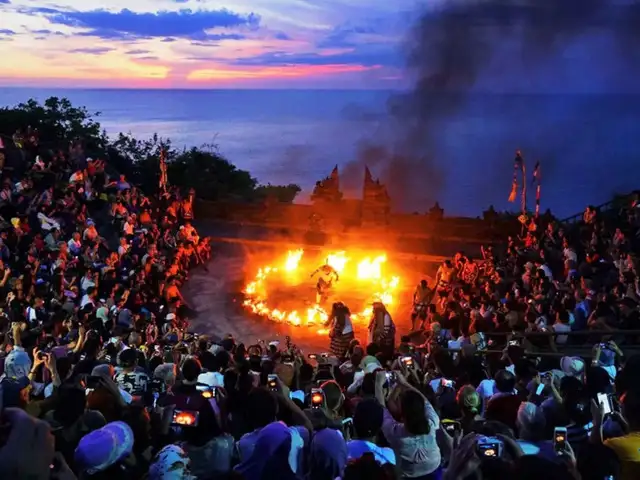
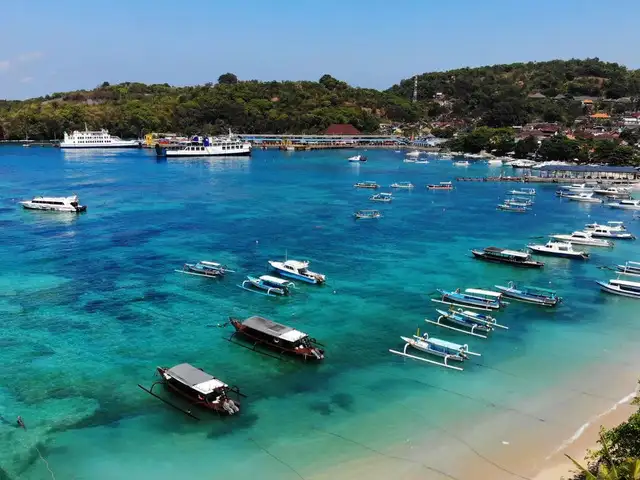
Bali isn’t just a destination—it’s a vibe. With its lush rice fields, sacred temples, surf-friendly beaches, and vibrant culture, the Island of the Gods has something for every type of traveller. But beyond the picture-perfect sunsets and smoothie bowls lies a deep, spiritual culture that deserves respect and understanding. Whether you're visiting for the first time or returning for another round of magic, knowing the do’s and don’ts can make a big difference.








Officials also suggested that in future, immigration officers may verify payment of the Bali Tourism Tax Levy, though the responsibility currently falls to the Tourism Task Force under the provincial government.
ADVERTISEMENT
The stepped-up enforcement signals a tighter monitoring regime for international visitors, with authorities underlining that passports are mandatory at all times while moving around the island.
Download
The Economic Times Business News App for the Latest News in Business, Sensex, Stock Market Updates & More.
The Economic Times Business News App for the Latest News in Business, Sensex, Stock Market Updates & More.
ADVERTISEMENT


