August holiday in the Mediterranean? Not in this heat
Travelers are increasingly opting for spring or fall vacations to escape the Mediterranean's summer heat and crowds. This shift benefits airlines and accommodations during off-peak seasons. Airlines are witnessing a surge in demand during these sh...
By Bloomberg |
Agencies
For a growing number of holidaymakers, the rational response to the intense heat, high prices and overcrowding that blight the Mediterranean in July and August is to visit in the spring or fall. After all, the weather is cooler, hotels are better value and the vibe is more relaxed.
This so-called “shoulder season” travel is booming. The trend could help ameliorate overtourism while boosting the use of aircraft and accommodation during the normally fallow winter months. But this rebalancing won’t happen without a coordinated industry effort to keep resorts open and highlight the attractions of off-peak travel. Oh, and more flexible school holidays would also help.
Europe is once again anticipating an influx of wealthy American visitors this year, but if they’re sensible, those unrestricted by the school calendar will delay their visit until the autumn.
Since the Covid-19 pandemic, Delta Air Lines Inc. has seen a “multi-year” “systematic shift” of US demand for European trips from July and August into the shoulder periods “as consumers look to avoid peak crowds and summer heat,” its president, Glen Hauenstein, told investors earlier this month. “The peak is getting less peaky and the shoulders are getting stronger,” he said.
While anti-tourist protests and sweltering weather in southern Europe haven't impacted UK budget carrier EasyJet Plc’s peak summer bookings, it’s benefiting from more demand in the shoulder season. The final quarter of the calendar year has historically been loss-making, but there’s hope for generating profits in the future thanks in part to the elongation of summer into October, Chief Executive Officer Kenton Jarvis told analysts in May.
Greek carrier Aegean Airlines SA has also seen its financial performance improve in the October to December period amid more travel to and from Athens and Thessaloniki, which it attributes in part to climate change and milder winter temperatures creating a “gradual smoothing” of demand, Chairman Eftichios Vassilakis said in March.
ADVERTISEMENT
Inbound travelers to Greece increased 24% year on year in November, according to the Bank of Greece, while monthly travel receipts jumped 45% to €618 million ($727 million). American visitors to Greece boosted their spending that month by 78% and accounted for almost one-fifth of the total. Europe’s short-term rental market is also seeing more demand in the autumn, according to AirDNA which tracks listings on Airbnb and Vrbo; nights booked jumped 18% year on year in October 2024 and were 31% higher than the total in October 2019. Holidaymakers are taking advantage of lower off-season rates to book more upscale properties, and peak summer now represents a smaller share of total annual demand in popular vacation destinations as the chart below shows.
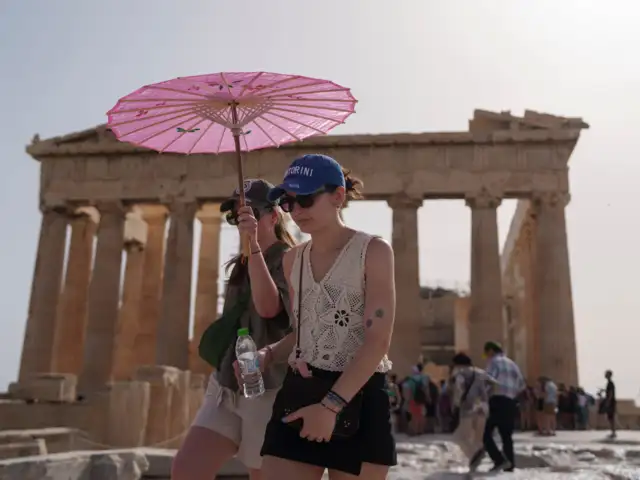
Amid evacuations due to summer wildfires and the Acropolis having to close during periods of extreme heat, I’m not surprised several travel firms now report more bookings in September than during peak summer.
Selling active holidays in July and August can be challenging, according to Ben Colbridge, product and commercial director for Exodus Adventure Travels, whose offer includes hiking, cycling and cultural trips. “Most people don’t want to be doing that sort of thing if the temperatures are above 40C,” he told me, and those who must travel in July and August are increasingly picking cooler, northern destinations such as Scandinavia.
ADVERTISEMENT
Exodus’s main European travel period used to run from May until the middle of October, but it’s seeing a “creep at the edges” extending the season from April through the end of October. “Going forward we will start to push into the beginning of November in southern Europe,” he said, while acknowledging that airline capacity in the shoulder season remains a limiting factor.
Indeed, this nascent shift will only succeed if the travel industry coordinates to make off-peak visits more available and appealing, while being sensitive to local residents’ concerns that this will cause an increase in overall demand (rather than just redistributing guests from the summer peak).
ADVERTISEMENT
Convincing restaurants, transport services and attractions to remain open longer isn’t easy either. Seasonal workers often depart, and what if visitors don’t come?
“Prioritizing staff retention through flexible scheduling, short-term contract extensions, or end-of-season incentives is key to maintaining service quality,” notes the nonprofit European Travel Commission.
Resorts also need to offer more than just a sun lounger in case the weather turns inclement — culture, nature, sporting and wellness offers are essential. For example, German travel giant Tui AG is trying to appeal to runners by sponsoring marathons on Rhodes, Majorca and Cyprus in the off-season (and offering shorter races for accompanying family members).
It would help, too, if families could be more flexible in their travel dates. Schools in England traditionally have a six-week summer holiday, but some institutions are opting for a shorter hiatus. As well as easing childcare pressures and the potential educational benefits (kids forget much of what they’ve learned after a long break), this would mean the October half-term could be extended to a fortnight instead of one week — as is already the norm in Germany.
The German school holiday system — which is also staggered by region to lessen the bunching of vacation bookings — is no panacea, though. Flights during the autumn half-term are often extortionate as this Berlin-based columnist can confirm.
Yet after experiencing the delights of Sicily in late October — when the beach was comparatively empty and the sea still invitingly warm — I’ve decided “shoulder season” vacations are the way forward. Please don’t tell everybody.
10 countries in Europe to avoid in the summer and where to visit instead
1/11
Planning your summer vacation? While some European countries can get unbearably hot during the summer months, there are plenty of alternatives offering cooler climates, stunning landscapes, and rich cultural experiences.
Here’s a guide to 10 countries you might want to avoid during peak summer and the perfect destinations to visit instead.
Planning your summer vacation? While some European countries can get unbearably hot during the summer months, there are plenty of alternatives offering cooler climates, stunning landscapes, and rich..
Read More
While Spain swelters in the summer heat, Portugal offers a cooler coastal retreat. Lisbon, the capital, boasts charming neighborhoods like Alfama with narrow, winding streets and the historic Belém district.
The coastal city of Porto, famous for its port wine, has picturesque riverfronts and the iconic Dom Luís I Bridge. The Algarve region, with its stunning beaches and cliffside views, provides a perfect mix of relaxation and exploration.
Visit Sintra’s fairytale-like palaces, including the colorful Pena Palace and the Moorish Castle, for a taste of Portugal’s rich history.
While Spain swelters in the summer heat, Portugal offers a cooler coastal retreat. Lisbon, the capital, boasts charming neighborhoods like Alfama with narrow, winding streets and the historic Belém d..
Read More
Instead of the summer heat in Italy, head to Slovenia for a more temperate climate and breathtaking landscapes. Lake Bled, with its serene waters and the island church of the Assumption, is a must-see.
The capital city, Ljubljana, offers a vibrant cultural scene with its picturesque old town and the historic Ljubljana Castle. Explore the stunning Postojna Cave, one of the largest cave systems in Europe, and visit the coastal town of Piran for its Venetian architecture and seaside charm.
Instead of the summer heat in Italy, head to Slovenia for a more temperate climate and breathtaking landscapes. Lake Bled, with its serene waters and the island church of the Assumption, is a must-se..
Read More
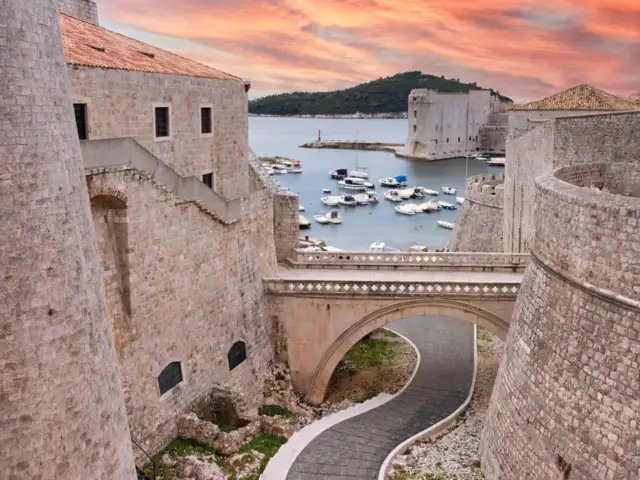
Avoid the intense heat of Greece by visiting Croatia’s beautiful Dalmatian coast. Dubrovnik, known as the "Pearl of the Adriatic," offers stunning medieval architecture and panoramic views from its ancient city walls.
Split is home to the impressive Diocletian's Palace, while the nearby islands of Hvar and Brac provide crystal-clear waters and beautiful beaches.
Don’t miss Plitvice Lakes National Park, with its cascading lakes and lush greenery, for a refreshing escape into nature.
Avoid the intense heat of Greece by visiting Croatia’s beautiful Dalmatian coast. Dubrovnik, known as the "Pearl of the Adriatic," offers stunning medieval architecture and panoramic views from its a..
Read More
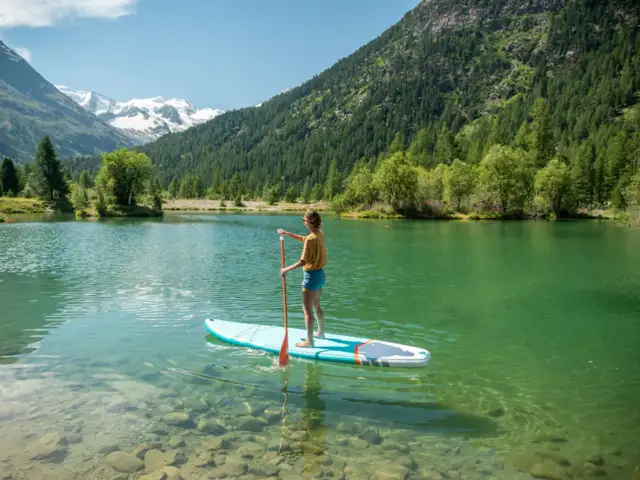
For those looking to escape the heat of France, Switzerland provides a cool alpine retreat. Zurich offers a mix of modern urban life and historical sites, such as the old town (Altstadt) and the Swiss National Museum.
Geneva, nestled by the lake, features the Jet d'Eau fountain and the United Nations headquarters. Head to the Bernese Oberland region to explore the Jungfraujoch, known as the "Top of Europe," and enjoy hiking or skiing in the scenic Alps.
For those looking to escape the heat of France, Switzerland provides a cool alpine retreat. Zurich offers a mix of modern urban life and historical sites, such as the old town (Altstadt) and the Swis..
Read More
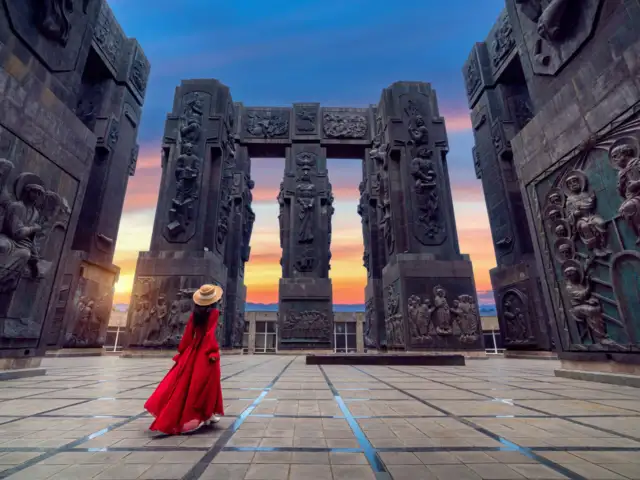
Instead of Turkey’s summer heat, Georgia offers milder temperatures and rich cultural experiences. Tbilisi, the capital, is a blend of old and new with its historic sulfur baths, modern architecture, and the ancient Narikala Fortress.
Visit the wine region of Kakheti for wine tours and beautiful countryside. The mountainous region of Svaneti, with its medieval watchtowers and stunning vistas, is perfect for outdoor enthusiasts looking to hike and explore.
Instead of Turkey’s summer heat, Georgia offers milder temperatures and rich cultural experiences. Tbilisi, the capital, is a blend of old and new with its historic sulfur baths, modern architecture,..
Read More
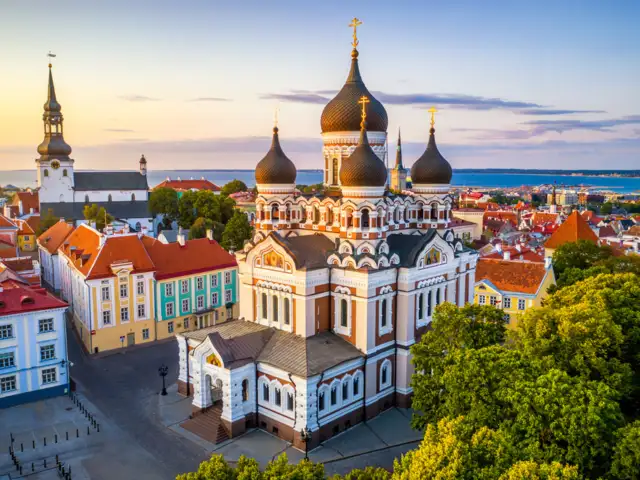
Skip the intense heat of Cyprus and explore Estonia’s cooler climate and medieval charm. Tallinn, the capital, boasts a well-preserved old town with cobblestone streets, historic buildings, and the imposing Alexander Nevsky Cathedral.
Visit the Kadriorg Palace and its beautiful gardens, or take a ferry to the island of Saaremaa to see the Kuressaare Castle. The Lahemaa National Park offers pristine nature, with forests, bogs, and coastal landscapes.
Skip the intense heat of Cyprus and explore Estonia’s cooler climate and medieval charm. Tallinn, the capital, boasts a well-preserved old town with cobblestone streets, historic buildings, and the i..
Read More
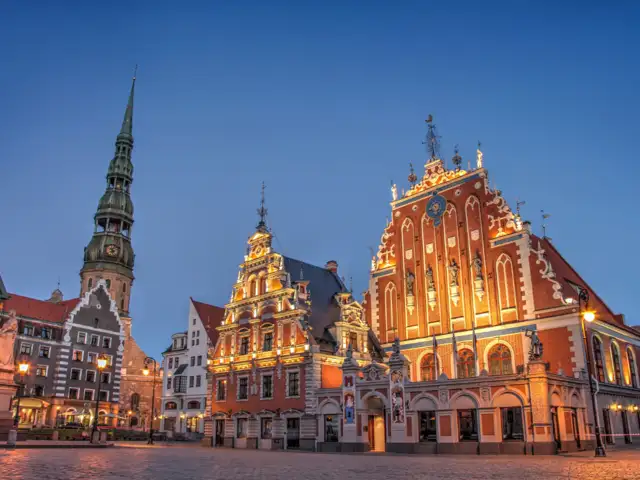
Instead of Malta’s high temperatures, enjoy Latvia’s cooler summer climate. Riga, the capital, is known for its Art Nouveau architecture and the medieval old town, which is a UNESCO World Heritage site.
Explore the Central Market, housed in old Zeppelin hangars, and visit the historic Riga Castle. Head to the seaside town of Jurmala for its sandy beaches and the serene Kemeri National Park with its unique bog landscapes and boardwalk trails.
Instead of Malta’s high temperatures, enjoy Latvia’s cooler summer climate. Riga, the capital, is known for its Art Nouveau architecture and the medieval old town, which is a UNESCO World Heritage si..
Read More
Avoid the hot, humid conditions of Hungary by visiting Austria’s cooler, picturesque settings. Vienna, the capital, offers imperial history with sites like Schönbrunn Palace, the Hofburg, and the grand St. Stephen’s Cathedral.
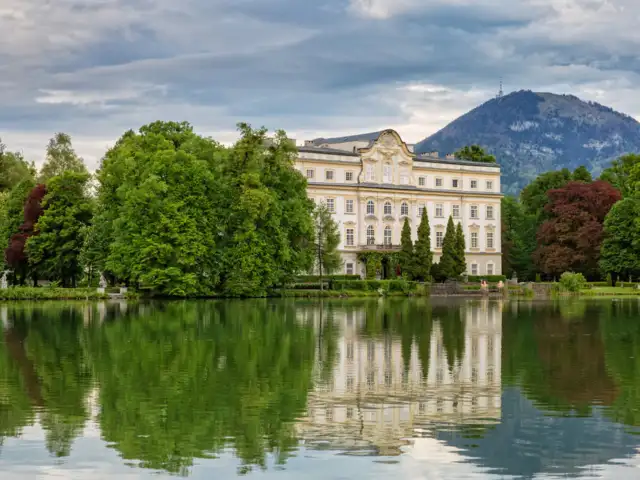
Salzburg, the birthplace of Mozart, features beautiful baroque architecture and the Hohensalzburg Fortress. For natural beauty, explore the Austrian Alps, with opportunities for hiking, biking, and scenic train rides through lush valleys and mountain passes.
Avoid the hot, humid conditions of Hungary by visiting Austria’s cooler, picturesque settings. Vienna, the capital, offers imperial history with sites like Schönbrunn Palace, the Hofburg, and the gra..
Read More
Instead of Bulgaria’s summer heat, Slovakia provides a cooler and more serene environment. Bratislava, the capital, offers a charming old town with cobblestone streets, historic buildings, and the imposing Bratislava Castle overlooking the Danube River.
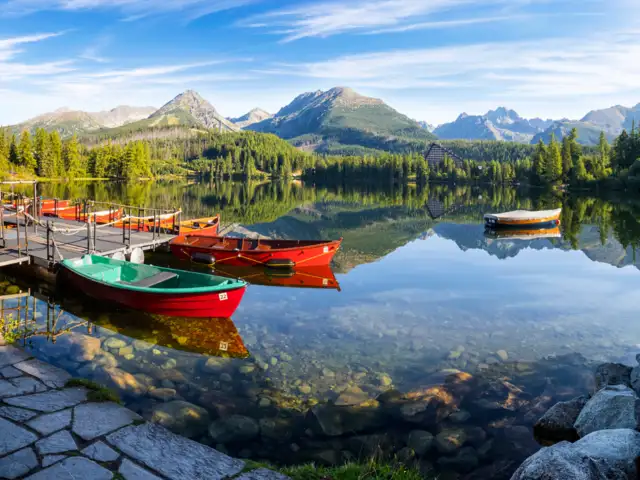
The High Tatras mountains provide excellent hiking, skiing, and stunning natural beauty. Visit the medieval town of Banská Štiavnica, a UNESCO World Heritage site, for its mining history and well-preserved architecture.
Instead of Bulgaria’s summer heat, Slovakia provides a cooler and more serene environment. Bratislava, the capital, offers a charming old town with cobblestone streets, historic buildings, and the im..



 One in six Indian Schengen visa applications were rejected in 2025 — these countries denied the most2026-05-30T03:28:08Z

