
7 places tourists can’t visit in Australia
1/8
Places that tourists cannot enter
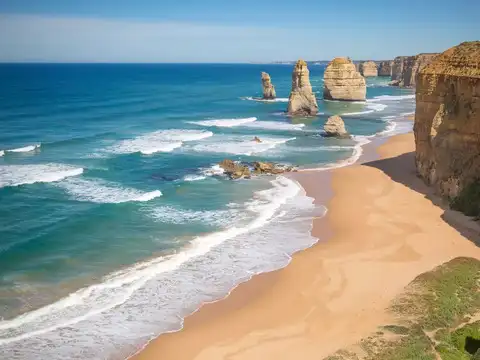
Australia draws travellers with beaches, cities, and wildlife. But not every place is open to visitors. Some locations remain off limits due to safety risks, conservation rules, military use, or Indigenous cultural protection. From remote islands to secret defence bases, these restricted zones show another side of the country that tourists can only read about, not enter.
2/8
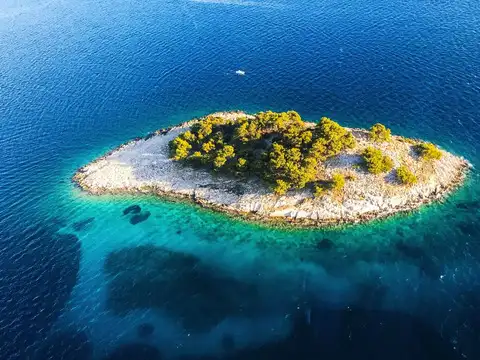
Heard Island
Heard Island sits in the southern Indian Ocean, about halfway between Australia and South Africa. It is one of Australia’s most remote territories. The island has glaciers, an active volcano called Big Ben, and wildlife such as seals, penguins, and endemic birds.Access is strictly controlled to prevent invasive species. Along with the McDonald Islands, it became a UNESCO World Heritage Site in 1997. Only scientific expeditions are usually allowed, and reaching it requires a two-week sea journey through rough waters.
3/8
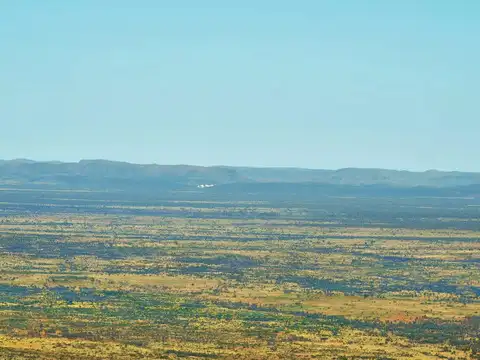
Pine Gap, Northern Territory
Pine Gap lies southwest of Alice Springs in central Australia. Officially known as the Joint Defence Facility Pine Gap, it is a US–Australian military base. The site is completely closed to the public.The base has operated since the 1970s and is believed to collect satellite intelligence and provide early warning of missile launches. Around 1,000 people are thought to work there. What happens inside remains classified.
Amazon Top Deals
POWERED BY

4/8
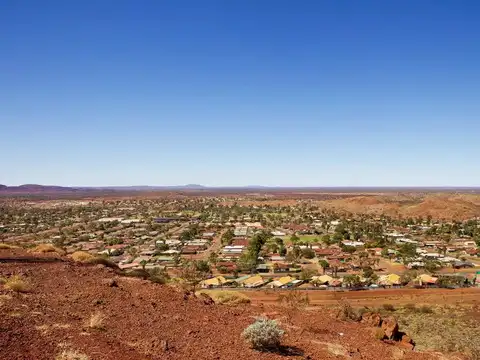
Wittenoom, Western Australia
Wittenoom is considered the most contaminated site in the southern hemisphere. It was once Australia’s only asbestos mining town, operating mainly in the 1950s and early 1960s.More than 2,000 former workers and residents have died from asbestos-related diseases. The government closed the town, removed it from maps in 2007, and compulsorily acquired remaining properties in 2019. Entry is strongly discouraged despite warning signs.
5/8
Carnac Island, Western Australia
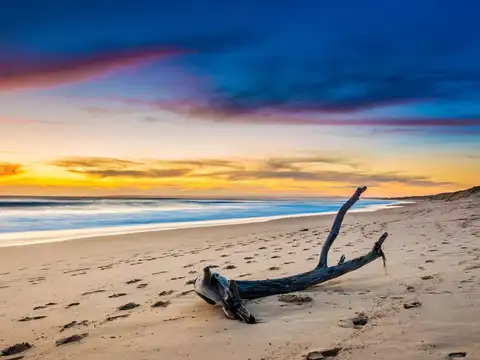
Carnac Island is a small island near Fremantle. It is home to more than 400 tiger snakes, one of Australia’s most venomous species. With no natural predators, the snakes dominate the island.The island is also a protected habitat for Australian sea lions and seabirds. Boats may approach to view sea lions, but the interior of the island is closed to visitors due to the snake population.
6/8
Arnhem Land, Northern Territory
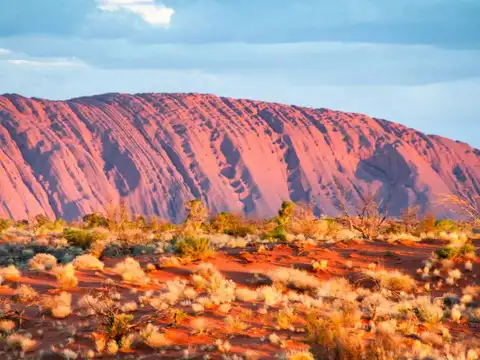
Arnhem Land covers a vast area in northeast Northern Territory and is Aboriginal-owned. It is the traditional land of the Yolngu people and holds significant cultural importance, including ancient rock art sites.Access is allowed only with special permits. While some guided tours operate, many parts remain completely inaccessible, especially during the wet season when roads become impassable.
7/8
Uluru, Northern Territory
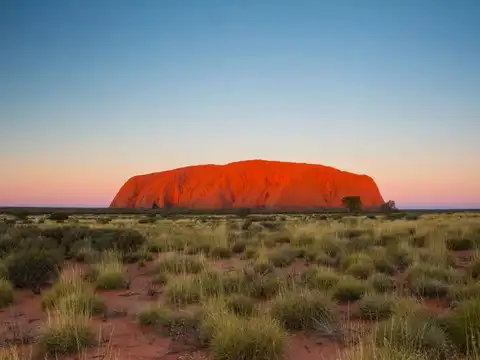
Uluru is one of Australia’s most recognisable landmarks. Climbing the rock is now banned. The Anangu people, the traditional owners, have long asked visitors to respect their law and culture.In November 2017, the Uluru-Kata Tjuta National Park Board decided to ban the climb. The climb was steep and dangerous, with at least 37 recorded deaths. Visitors can now walk around the base instead.
8/8
Woomera Prohibited Area, South Australia
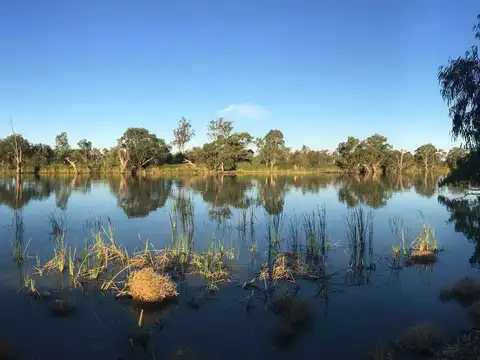
The Woomera Prohibited Area is a vast weapons testing range operated by the Australian Defence Force. It covers more than 122,000 square kilometres and was established in 1947.Most of the area, including the airspace, is closed to the public. The Stuart Highway passes through it, but travellers cannot leave the road without permission. Nuclear testing took place here in the past, and restrictions remain in force.