
7 most beautiful places to visit in Nepal

1/8
From Himalayan peaks and alpine lakes to ancient heritage towns
Nepal draws travellers with its Himalayan landscapes, trekking trails, wildlife parks, lakes, and historic towns. The country is home to Mount Everest, several UNESCO World Heritage Sites, alpine lakes, and ancient temples that reflect centuries of culture and spirituality.From adventure seekers heading to Everest Base Camp to travellers exploring Bhaktapur’s old streets or Chitwan’s forests, Nepal offers experiences across nature, heritage, and religion. The best time to visit most destinations is between October and December, when skies remain clear and mountain views are at their sharpest.
2/8
Everest Base Camp
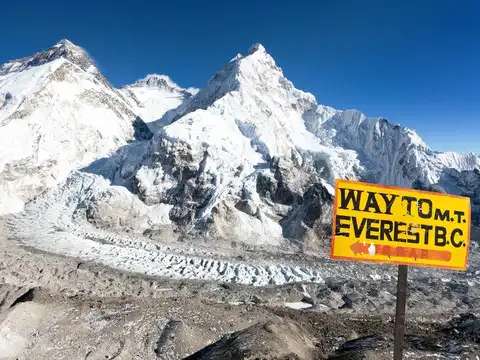
Everest Base Camp remains one of the world’s most recognised trekking destinations. Situated in Nepal’s Khumbu region, the trek takes travellers through mountain villages, suspension bridges, glaciers, and alpine terrain.Most journeys begin with a flight from Kathmandu to Lukla, followed by a multi-day trek through the Everest region. Trekkers pass through Sherpa settlements and sections of Sagarmatha National Park before reaching the base camp area.Kala Patthar, located nearby, is known for panoramic views of Mount Everest and surrounding Himalayan peaks. The trek is most popular during March to May and September to October.
3/8
Sagarmatha National Park
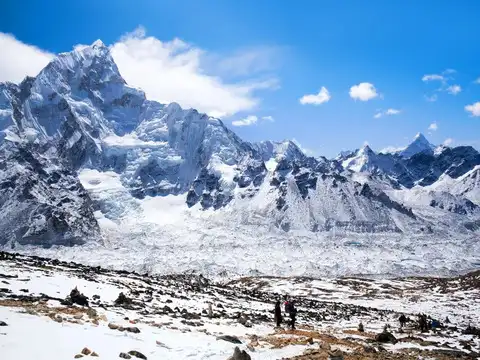
Home to Mount Everest, Sagarmatha National Park is one of Nepal’s most recognised natural attractions and a UNESCO World Heritage Site. Spread across the Himalayan region, the park includes glaciers, deep valleys, forests, and high-altitude terrain.Apart from Everest, the park also includes peaks such as Lhotse and Cho Oyu. Trekkers visiting the region often explore the sacred Gokyo Lakes and Sherpa settlements scattered across the mountains. Wildlife sightings may include Himalayan tahrs, musk deer, and snow leopards.The park is best explored between March and May or during October and November.
Amazon Top Deals
POWERED BY

4/8
Chitwan National Park
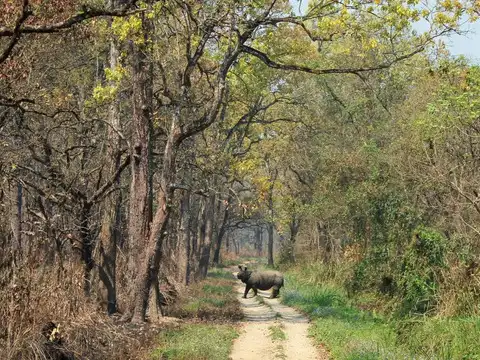
Located in Nepal’s southern Terai region, Chitwan National Park is known for wildlife tourism and jungle safaris. The UNESCO World Heritage Site protects forests, grasslands, wetlands, and river ecosystems.The park is home to Bengal tigers, one-horned rhinoceroses, crocodiles, elephants, and hundreds of bird species. Visitors often take jeep safaris, canoe rides on the Rapti River, and guided forest walks.Chitwan also offers insights into the culture of the Tharu community living around the park region. January to March is considered one of the best times for wildlife sightings.
5/8
Bhaktapur
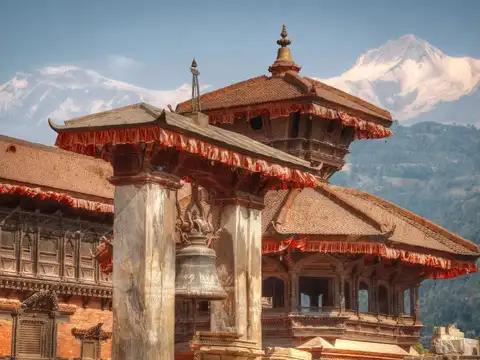
Bhaktapur, located in the Kathmandu Valley, is known for its preserved architecture, temples, and cultural heritage. Often called the “City of Devotees,” the historic town reflects traditional Newari craftsmanship and urban planning.Bhaktapur Durbar Square features landmarks such as the Nyatapola Temple and the 55-Window Palace. Narrow lanes, pottery squares, wooden carvings, and local food stalls continue to attract visitors throughout the year.Despite earthquake damage in recent years, restoration work continues across many heritage structures. The city remains one of Nepal’s key cultural destinations.
6/8
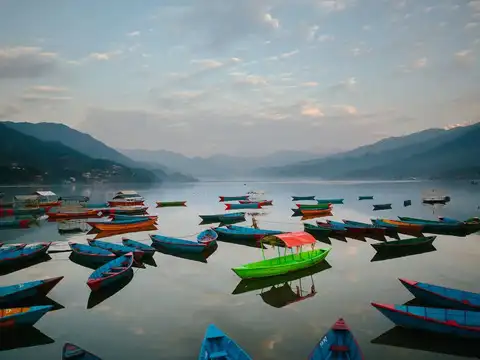
Pokhara
Pokhara is Nepal’s second-largest city and one of its most visited tourist destinations. Located near the Annapurna mountain range, the city is known for lakes, mountain views, and adventure activities.Phewa Lake remains the centre of tourism in Pokhara, with cafés, hotels, and boating experiences lining the lakeside area. Sarangkot is a popular viewpoint for sunrise views over the Himalayas, while paragliding and trekking attract adventure travellers.The city also serves as a gateway for several trekking routes in the Annapurna region. September to November is considered one of the best periods to visit.
7/8
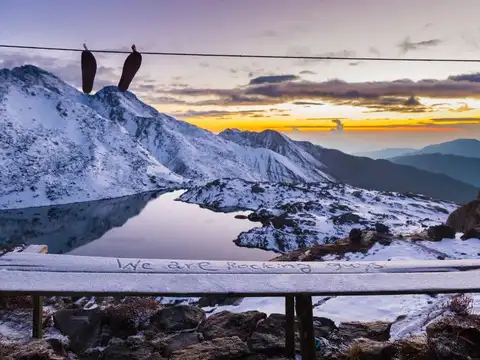
Langtang National Park And Gosaikunda Lake
Langtang National Park offers trekking routes through forests, mountain villages, rivers, and alpine meadows north of Kathmandu. The region is less crowded than several other Himalayan trekking destinations, making it popular among travellers seeking quieter trails.The park is home to wildlife such as red pandas and Himalayan black bears, along with traditional Tamang settlements. Gosaikunda Lake, located within the region, is considered sacred in Hindu and Buddhist traditions.Trekkers visiting the lake pass through rhododendron forests and mountain terrain before reaching the high-altitude alpine waters surrounded by snow-covered peaks.
8/8
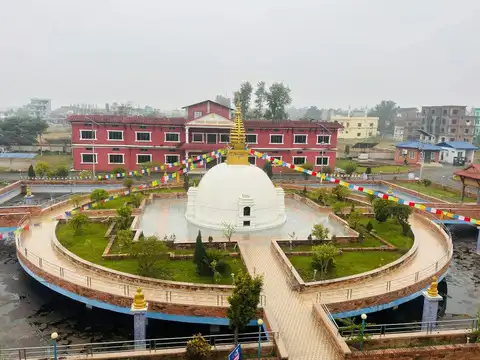
Lumbini
Lumbini is widely recognised as the birthplace of Lord Buddha and remains one of the most important pilgrimage sites for Buddhists around the world. The UNESCO World Heritage Site is located in Nepal’s Terai plains.The Maya Devi Temple marks the birthplace of Buddha, while the Ashoka Pillar stands as a historical landmark linked to Emperor Ashoka’s visit. The larger monastic zone includes monasteries built by Buddhist communities from different countries.The destination is known for its peaceful atmosphere, meditation spaces, and spiritual significance. Buddha Jayanti celebrations during April and May attract large gatherings.