
7 mistakes to avoid on your Maldives trip
1/8
Maldives need more planning than most beach holidays
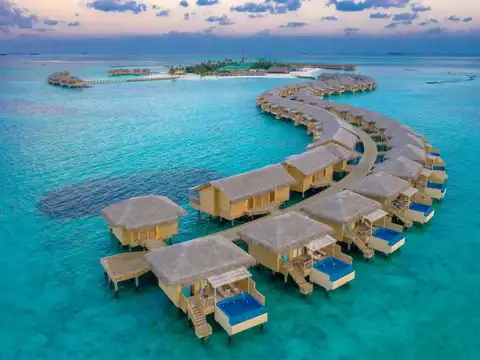
The Maldives is made up of nearly 1,200 islands, and most resorts operate on a “one island, one resort” model. That means your entire experience often depends on the island and resort you choose. Many first-time visitors focus only on water villas and photos without checking transfer times, dining costs, or activities available on the island. Travel experts say researching resort style, weather season, transport, and meal plans before booking can help avoid disappointment later.
2/8
Visiting only one island
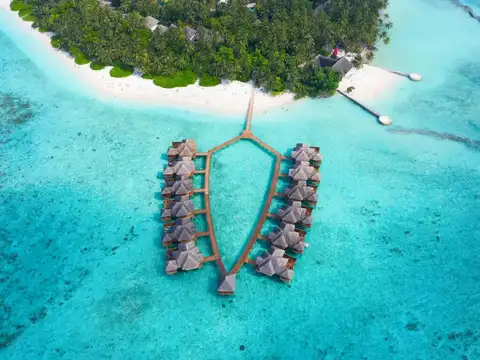
Many travellers spend their full holiday on a single resort island and miss the wider Maldives experience. Experts recommend trying island hopping, local island tours, or combining two resorts during longer stays. Different atolls offer different experiences, from diving spots and marine life to cultural activities and quieter beaches. Even a short boat trip to another island can give travellers a better sense of the country beyond luxury resorts.
3/8
Ignoring transfer costs and travel timings
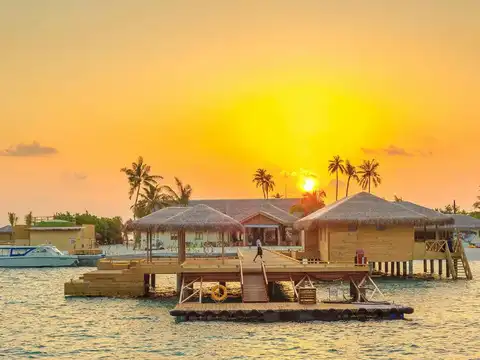
Many resorts require speedboat or seaplane transfers from Malé airport, and these are usually not included in hotel prices. Some transfers also stop operating after sunset, forcing late-arriving tourists to stay overnight in Malé. Frequent travellers advise checking transfer schedules before booking flights. Seaplane rides can also add several hours and hundreds of dollars to total travel costs.
Amazon Top Deals
POWERED BY

4/8
Travelling in the wrong season
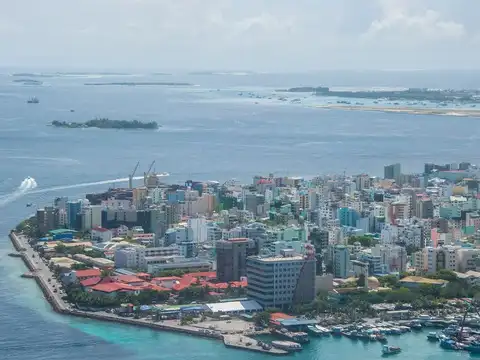
Weather can affect the Maldives experience more than many tourists expect. The high season usually runs from November to April, while May to October sees more rain and storms. Travellers visiting during monsoon months may face rough seas, cloudy skies, or activity cancellations. However, off-season travel can also bring lower hotel prices and fewer crowds for flexible travellers.
5/8
Missing out on local culture
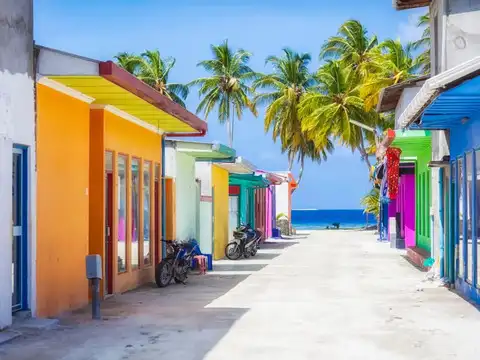
Several visitors spend their entire stay inside resorts and never experience local Maldivian culture. Travel experts recommend trying local food, watching traditional music or dance performances, and visiting fishing villages or inhabited islands. The Maldives has cultural influences from South Asia, the Middle East, Africa, and Southeast Asia, which many tourists overlook during resort stays.
6/8
Assuming the Maldives is only for luxury travellers
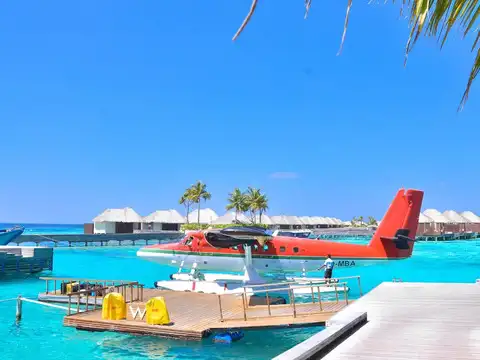
The Maldives has a luxury image, but budget-friendly trips are also possible. Local guesthouses and four-star resorts often cost much less than private island villas. Public beaches, local ferries, and snorkelling near house reefs can reduce expenses. Several travellers online also warn that food, activities, and transfers can become expensive after arrival if budgets are not planned carefully in advance.
7/8
Packing too much for a Maldives holiday
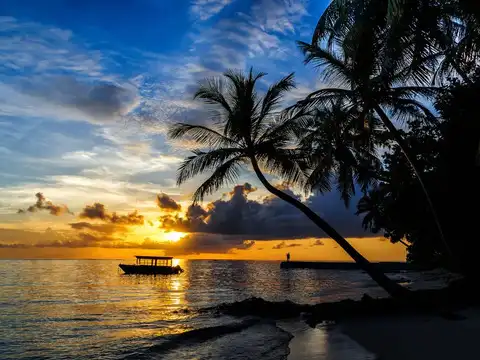
Many first-time visitors overpack for the Maldives, even though most resorts follow a relaxed island dress code. Carrying light cotton clothes, swimwear, sandals, sunglasses, and basic medicines instead of heavy luggage should be ideal. High heels and formal outfits are rarely needed except at a few luxury dining venues. Travellers also suggest packing waterproof bags, power banks, and snorkelling gear for convenience, especially on remote islands where shopping options may be limited.
8/8
Forgetting reef-safe sunscreen
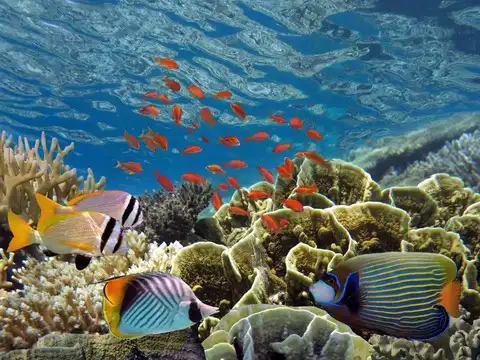
The Maldives lies close to the equator, and strong sunlight can quickly cause sunburn. Experts recommend carrying high-SPF reef-safe sunscreen to protect both skin and coral reefs. Some hospitality brands in the Maldives have already restricted chemical sunscreens because of their environmental impact on marine ecosystems. Coral reefs are among the country’s biggest tourist attractions and are highly sensitive to pollution.