
7 destinations around the world where the air smells like roses, oud and incense
1/8
Trailing through the best destinations where flowers, woods and resins become some of the world’s most distinctive scents
Some places stay with you long after you have left. Sometimes, it is the sound of a busy street or the taste of a dish you have never tried before. And sometimes, it is a scent — roses warming in the morning sun, the rich aroma of oud drifting through a market, or incense burning quietly in an old shop.
Across the world, fragrance has shaped the identity of entire regions. Flowers are harvested at dawn, tree resins are collected by hand, and generations of artisans have perfected ways to capture the scent of a place in a bottle or a curl of fragrant smoke. From the perfume-filled streets of southern France to India's attar-making heartland, these seven destinations invite travellers to explore the world through their noses.
Across the world, fragrance has shaped the identity of entire regions. Flowers are harvested at dawn, tree resins are collected by hand, and generations of artisans have perfected ways to capture the scent of a place in a bottle or a curl of fragrant smoke. From the perfume-filled streets of southern France to India's attar-making heartland, these seven destinations invite travellers to explore the world through their noses.
2/8
Grasse, France
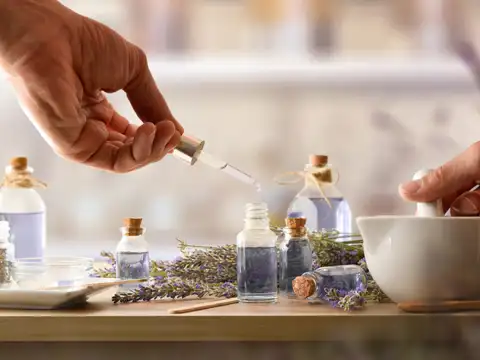
Imagine walking through a sunlit southern French town where the scent of flowers seems to belong to the landscape as much as the blue skies and terracotta rooftops. Welcome to Grasse, a place whose name has become almost synonymous with perfume.
Tucked into the hills above the French Riviera, Grasse has spent centuries cultivating fragrant flowers and refining the art of perfumery. Jasmine, rose and tuberose have all played a part in its story. Here, perfume is not simply a luxury product; it is a craft shaped by growers, skilled noses and generations of knowledge.
Visitors can step inside historic perfume houses, explore museums and learn how individual notes are combined to create a fragrance. It is the sort of place that makes you look at your favourite perfume differently: behind every bottle lies a world of ingredients, experimentation and artistry.
Best time to visit: Late spring and summer for warm weather and seasonal floral experiences.
Tucked into the hills above the French Riviera, Grasse has spent centuries cultivating fragrant flowers and refining the art of perfumery. Jasmine, rose and tuberose have all played a part in its story. Here, perfume is not simply a luxury product; it is a craft shaped by growers, skilled noses and generations of knowledge.
Visitors can step inside historic perfume houses, explore museums and learn how individual notes are combined to create a fragrance. It is the sort of place that makes you look at your favourite perfume differently: behind every bottle lies a world of ingredients, experimentation and artistry.
Best time to visit: Late spring and summer for warm weather and seasonal floral experiences.
3/8
Kannauj, India
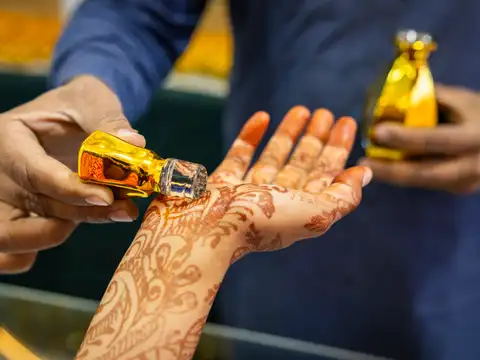
In Kannauj, in Uttar Pradesh, the scent of a flower can become something far more lasting than a passing moment. Often called India's perfume capital, this historic town is home to a traditional craft that turns natural ingredients into concentrated aromatic oils known as attars.
Inside small workshops, artisans work with copper vessels and traditional distillation techniques, carefully capturing the character of flowers, herbs and other fragrant materials. Rose and jasmine are among the familiar scents, while earthy, woody notes offer a very different side of Indian perfumery.
There is little of the glossy spectacle associated with luxury perfume counters here. Instead, the fascination lies in watching a painstaking process unfold, guided by knowledge handed down through generations. For travellers interested in India's living heritage, Kannauj offers a rare chance to discover the people and practices behind a fragrance tradition that long predates modern perfume trends.
Best time to visit: October to March is generally more comfortable for exploring the town and its workshops.
Inside small workshops, artisans work with copper vessels and traditional distillation techniques, carefully capturing the character of flowers, herbs and other fragrant materials. Rose and jasmine are among the familiar scents, while earthy, woody notes offer a very different side of Indian perfumery.
There is little of the glossy spectacle associated with luxury perfume counters here. Instead, the fascination lies in watching a painstaking process unfold, guided by knowledge handed down through generations. For travellers interested in India's living heritage, Kannauj offers a rare chance to discover the people and practices behind a fragrance tradition that long predates modern perfume trends.
Best time to visit: October to March is generally more comfortable for exploring the town and its workshops.
4/8
Taif, Saudi Arabia
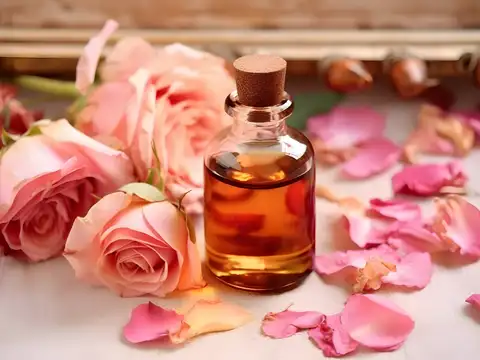
High in the mountains of western Saudi Arabia, Taif has a fragrant secret. Every spring, its rose fields burst into bloom, filling the air with the delicate scent of the celebrated Taif rose.
The harvest is a race against time and the rising sun. Roses are traditionally picked early in the morning, when their fragrance is at its freshest, and taken for processing into rose water and rose oil. The resulting extracts are prized in perfumery and form part of the region's wider cultural heritage.
Visiting during the harvest offers a different way to experience Saudi Arabia, beyond its cities and desert landscapes. There are farms to explore, rose products to discover and distilleries where visitors can learn how thousands of petals are transformed into a precious aromatic ingredient.
For anyone who loves floral fragrances, Taif is a reminder that some of the world's most treasured scents begin with a flower that lasts only a short time.
Best time to visit: Late March to early April, depending on the year's flowering season.
The harvest is a race against time and the rising sun. Roses are traditionally picked early in the morning, when their fragrance is at its freshest, and taken for processing into rose water and rose oil. The resulting extracts are prized in perfumery and form part of the region's wider cultural heritage.
Visiting during the harvest offers a different way to experience Saudi Arabia, beyond its cities and desert landscapes. There are farms to explore, rose products to discover and distilleries where visitors can learn how thousands of petals are transformed into a precious aromatic ingredient.
For anyone who loves floral fragrances, Taif is a reminder that some of the world's most treasured scents begin with a flower that lasts only a short time.
Best time to visit: Late March to early April, depending on the year's flowering season.
5/8
Oman
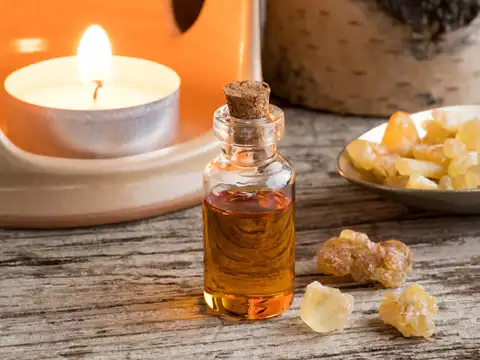
Not every fragrance begins with a flower. In Oman, one of the country's most evocative scents comes from the resin of a tree. Frankincense has been harvested from Boswellia trees in the region for centuries. When burned, the resin releases a warm, distinctive aroma that has travelled along ancient trade routes and found a place in religious ceremonies, hospitality and everyday traditions across many cultures.
In southern Oman, Wadi Dawkah offers a chance to see frankincense trees growing in their natural setting. The surrounding Land of Frankincense heritage sites tell a bigger story of merchants, caravans and a trade that connected Arabia with distant parts of the world.
This is a destination for travellers who want to understand the history behind a scent. There are no endless rose fields here; instead, the experience is quieter, rooted in rugged landscapes, hardy trees and the remarkable journey of a small piece of resin.
Best time to visit: October to April, when outdoor exploration is generally more comfortable.
In southern Oman, Wadi Dawkah offers a chance to see frankincense trees growing in their natural setting. The surrounding Land of Frankincense heritage sites tell a bigger story of merchants, caravans and a trade that connected Arabia with distant parts of the world.
This is a destination for travellers who want to understand the history behind a scent. There are no endless rose fields here; instead, the experience is quieter, rooted in rugged landscapes, hardy trees and the remarkable journey of a small piece of resin.
Best time to visit: October to April, when outdoor exploration is generally more comfortable.
6/8
Bulgaria's Rose Valley
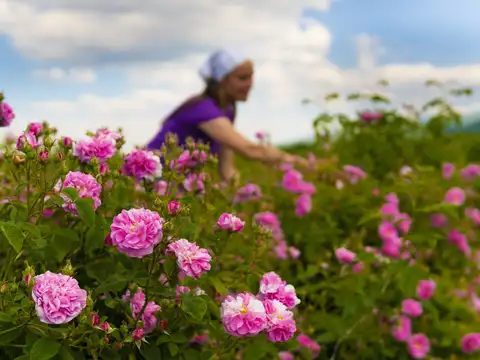
For a few weeks each year, parts of Bulgaria seem to turn pink. In the Rose Valley, around the town of Kazanlak, rows of oil-bearing roses bloom against a backdrop of green hills and distant mountains.
The region is particularly known for its Damask roses, whose petals are used to produce rose oil, an ingredient valued by perfumers. During the harvest, the fields become a hive of activity as flowers are gathered and taken to distilleries before their delicate aroma fades.
A visit is as much about the landscape as it is about the fragrance. Travellers can explore rose farms, learn about the distillation process and visit Kazanlak's Rose Museum to discover how rose cultivation became part of the region's identity.
Come at the right time, and the journey offers a fleeting spectacle: a countryside in bloom, the scent of fresh petals in the air and a glimpse of the work behind one of perfumery's most recognisable ingredients.
Best time to visit: May to June, with exact flowering and harvest dates varying each year.
The region is particularly known for its Damask roses, whose petals are used to produce rose oil, an ingredient valued by perfumers. During the harvest, the fields become a hive of activity as flowers are gathered and taken to distilleries before their delicate aroma fades.
A visit is as much about the landscape as it is about the fragrance. Travellers can explore rose farms, learn about the distillation process and visit Kazanlak's Rose Museum to discover how rose cultivation became part of the region's identity.
Come at the right time, and the journey offers a fleeting spectacle: a countryside in bloom, the scent of fresh petals in the air and a glimpse of the work behind one of perfumery's most recognisable ingredients.
Best time to visit: May to June, with exact flowering and harvest dates varying each year.
7/8
Isparta, Türkiye
Türkiye is known for its bustling bazaars, coastal towns and fragrant cups of tea, but inland, the city of Isparta has a different claim to fame: roses.
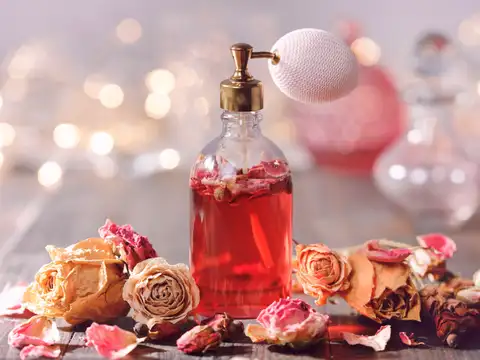
The surrounding region is associated with the cultivation of Damask roses and the production of rose oil. During the harvest, flowers are gathered and processed to create aromatic ingredients used in perfumes, cosmetics and rose-water products.
Isparta also makes an appealing addition to a trip for anyone curious about the origins of familiar perfume notes. The rose scent that appears so effortlessly in a bottle has a very real beginning, shaped by soil, weather, careful harvesting and the skill of those who process the petals.
Best time to visit: May to June, around the rose harvest.
The surrounding region is associated with the cultivation of Damask roses and the production of rose oil. During the harvest, flowers are gathered and processed to create aromatic ingredients used in perfumes, cosmetics and rose-water products.
Isparta also makes an appealing addition to a trip for anyone curious about the origins of familiar perfume notes. The rose scent that appears so effortlessly in a bottle has a very real beginning, shaped by soil, weather, careful harvesting and the skill of those who process the petals.
Best time to visit: May to June, around the rose harvest.
8/8
Kyoto, Japan
In Kyoto, scent is not necessarily something you spray on before leaving the house. It can be something you sit quietly with.
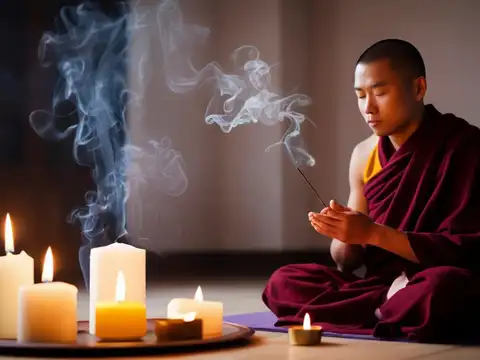
The ancient Japanese capital has a long association with incense, used in Buddhist temples, traditional ceremonies and practices centred on appreciating fragrance. Specialist shops sell incense sticks, aromatic woods and scented accessories, often presenting fragrance as an experience that rewards patience and attention.
Step into a traditional incense shop and the atmosphere can feel worlds away from a modern perfume boutique. Woody, smoky and subtle notes replace bright floral sprays, while beautifully packaged incense makes for a thoughtful souvenir.
Kyoto brings a different perspective to a journey through the world's fragrance destinations. It shows that scent need not be bold or immediately recognisable to be memorable. Sometimes, it is the faint aroma lingering in a quiet room, a temple courtyard or a narrow old street that becomes the most lasting part of a trip.
Best time to visit: Spring and autumn, when Kyoto's gardens, temples and historic neighbourhoods are especially inviting.
The ancient Japanese capital has a long association with incense, used in Buddhist temples, traditional ceremonies and practices centred on appreciating fragrance. Specialist shops sell incense sticks, aromatic woods and scented accessories, often presenting fragrance as an experience that rewards patience and attention.
Step into a traditional incense shop and the atmosphere can feel worlds away from a modern perfume boutique. Woody, smoky and subtle notes replace bright floral sprays, while beautifully packaged incense makes for a thoughtful souvenir.
Kyoto brings a different perspective to a journey through the world's fragrance destinations. It shows that scent need not be bold or immediately recognisable to be memorable. Sometimes, it is the faint aroma lingering in a quiet room, a temple courtyard or a narrow old street that becomes the most lasting part of a trip.
Best time to visit: Spring and autumn, when Kyoto's gardens, temples and historic neighbourhoods are especially inviting.