
6 European countries travellers can still visit without EES checks
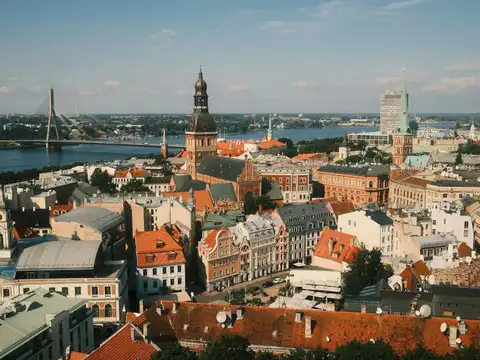
1/7
What is the EU’s new EES system?
The European Union’s Entry/Exit System (EES) became fully operational in April 2026 across 29 Schengen countries. The system replaces manual passport stamping with biometric registration, including facial scans and fingerprints, for non-EU travellers entering Europe for short stays.The aim is to improve border security, identify overstays and modernise immigration checks. However, the rollout has also led to longer queues and delays at several airports and border crossings. Some European countries are either outside the Schengen Area or exempt from the system, allowing travellers to avoid EES procedures.

2/7
Albania
Albania is not part of the European Union or the Schengen Area, meaning the EES system does not apply to travellers visiting the country.Visitors can stay in Albania for up to 90 days without a visa in many cases, making it an easy alternative for travellers seeking a European summer destination without biometric border checks.The country has become increasingly popular for its Adriatic coastline, budget-friendly beach towns and mountain landscapes. Destinations such as Ksamil, Sarandë and the Albanian Alps continue to attract international tourists looking for less crowded travel options.

3/7
Cyprus
Cyprus is a member of the European Union but is not part of the Schengen Area, which means EES rules are not enforced there.Travellers can visit Cyprus without going through the EU’s new biometric registration process. The island remains a major Mediterranean holiday destination known for beaches, archaeological sites and historic towns.Cyprus is divided between the Greek Cypriot south and the Turkish-controlled north, giving visitors access to a mix of cultures, cuisines and historical influences. Popular destinations include Ayia Napa, Paphos and Limassol.
Amazon Top Deals
POWERED BY

4/7
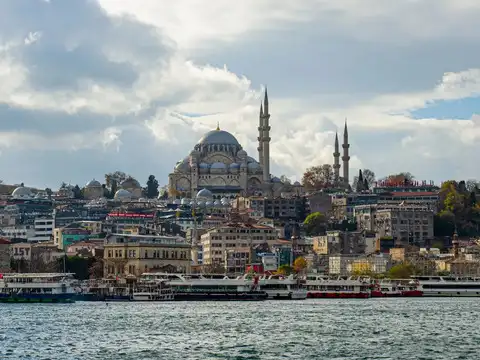
Turkey
Turkey remains outside the EES system because it is not part of the European Union or the Schengen Area.The country continues to be one of the most visited destinations linking Europe and Asia, known for historical landmarks, coastal resorts and cultural tourism.Popular tourist spots include Istanbul, Cappadocia, Antalya and the Turkish Riviera. Authorities have advised travellers to avoid areas close to the Syrian border, but most major tourist destinations remain open to international visitors.
5/7
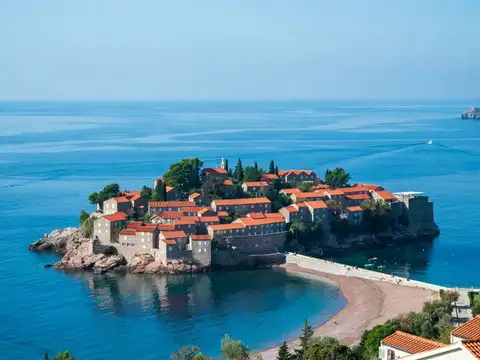
Montenegro
Montenegro is another European destination unaffected by the EES because it is outside both the EU and the Schengen Area.The country has emerged as a popular summer travel destination due to its coastline, medieval towns and national parks. Areas such as Kotor Bay, Budva and Perast attract visitors looking for scenic coastal holidays without the congestion of larger European tourist hubs.Travellers also visit Montenegro for outdoor tourism, including hiking in Durmitor National Park and cruises around Lake Skadar.

6/7
Ireland
Ireland remains outside the Schengen Area and is exempt from the EES system despite being a member of the European Union.The country continues to use its own immigration and border controls, making travel simpler for many non-EU visitors. Ireland is seen as a convenient option for travellers wanting a European trip without the additional biometric checks now required in much of continental Europe.Tourist attractions include Dublin’s historic districts, the Cliffs of Moher, the Wild Atlantic Way and scenic countryside regions such as County Kerry and County Clare.

7/7
North Macedonia
North Macedonia is not part of the EU or the Schengen Area, leaving it outside the EES framework.The country allows many visitors to stay visa-free for up to three months and has become increasingly popular among travellers exploring the Balkans.Lake Ohrid remains one of its biggest attractions, drawing tourists with lakeside churches, old towns and mountain scenery. The capital, Skopje, is known for its mix of Ottoman-era history and modern redevelopment projects.