
10 of the many countries across the world where tourists must pay taxes

1/11
Extra charges you might pay when visiting popular destinations
Tourist taxes are charged worldwide to help governments maintain infrastructure, manage tourism impact, and protect cultural and environmental assets. These fees can take the form of accommodation charges, entry fees, or departure levies. Here are ten countries where such taxes apply, along with details on how they work.

2/11
Italy
Italy’s tassa di soggiorno varies by city and accommodation type. In Rome, tourists pay between €1 and €5 per night depending on the hotel star rating. Venice has recently introduced a €5 entry fee for day visitors during peak seasons to reduce overcrowding and fund preservation of its historic sites.

3/11
Japan
Japan’s “Sayonara Tax” is a flat departure tax of 1,000 yen (~₹600) applied to all travelers leaving the country. Introduced to improve tourism infrastructure and support airport operations, this fee contributes to Japan’s efforts to maintain quality visitor experiences.
Amazon Top Deals
POWERED BY

Crompton Ozone 75 Litres Desert Air Cooler for home | Large & Easy Clean Ice Chamber | 4-Way Air Deflection | High Density Honeycomb Pads | Everlast Pump | Auto Fill| 3 Year Brand Warranty
₹9,798Buy Now43%
OFF

LG 32 L Convection Microwave Oven (MC3286BRUM, Black, 360° Motorised Rotisserie for Bar-be-queing, 301 Auto Cook Menu, Stainless steel cavity, Indian Cuisine, Tandoor Se, Steam Clean & Diet Fry)
₹19,340Buy Now19%
OFF

4/11
France
France charges a taxe de séjour across many cities. The rate depends on accommodation type, ranging from €0.65 for budget stays to over €15 for luxury hotels. The collected revenue supports maintenance of tourism infrastructure such as museums, parks, and public transport.

5/11
Bhutan
Bhutan applies one of the highest tourist fees globally—a Sustainable Development Fee (SDF) of USD 100 per person per day. This mandatory charge supports Bhutan’s “high-value, low-impact” tourism model, preserving its environment, culture, and heritage while managing visitor numbers.
6/11
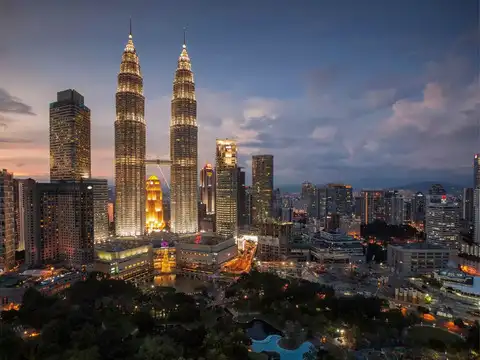
Malaysia
Malaysia imposes a tourist tax of RM 10 per room per night for foreign visitors staying at registered accommodations. The tax revenue is used for tourism promotion, development, and improving visitor facilities throughout the country.

7/11
Indonesia
Since February 2024, Bali charges a mandatory one-time tourist tax of 150,000 rupiah (~$10) per traveler upon arrival. The funds support cultural preservation, environmental conservation, and sustainable tourism initiatives across the island.

8/11
Thailand
Thailand plans to introduce an arrival tax of about 300 Thai Baht (~$9) for international visitors arriving by air. The collected fees will finance sustainable tourism development and provide accident insurance coverage for tourists.

9/11
New Zealand
New Zealand charges an International Visitor Conservation and Tourism Levy (IVL) ranging from NZD 35 to NZD 100, collected when travelers apply for an Electronic Travel Authority (eTA) or visa. These funds support environmental conservation and tourism infrastructure projects.

10/11
Austria
Austria’s local tourist tax, called Ortstaxe, varies by region. In Vienna, it is set at 3.2% of the accommodation cost, while in other regions it ranges from €0.15 to €3 per person per night. The revenue helps maintain tourist facilities and promotes regional tourism.

11/11
Spain
In the Balearic Islands (Mallorca, Menorca, Ibiza), tourists pay between €0.60 and €3.50 per night, based on accommodation type and season. This eco-tax funds local tourism management and environmental protection. The tax was paused after a significant drop in visitors but remains a key tool for sustainable tourism.