
10 foods that are banned on a flight
1/11
Flights have strict rules
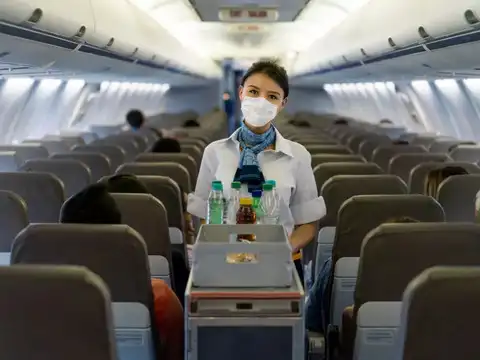
When travelling by air, there are strict regulations about what can and cannot be brought onboard, especially when it comes to food items. Certain foods are banned or restricted due to security concerns, hygiene issues, or the potential to disrupt other passengers. Knowing which foods are prohibited can help you avoid delays or fines and ensure a smooth journey. Here are 10 foods that are commonly banned or restricted on flights.
2/11
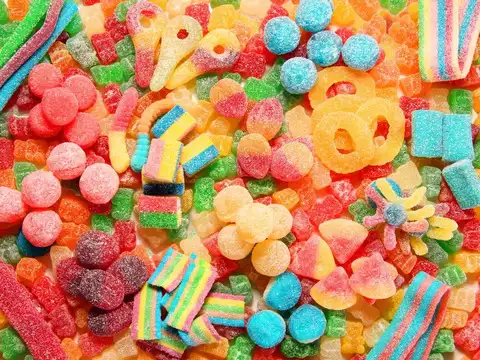
Unpacked loose snacks
Snacks like loose chips, candies, or dry fruits may be subject to inspection or confiscation if they aren't properly packaged or if they exceed the allowed limits for liquids or gels.
3/11
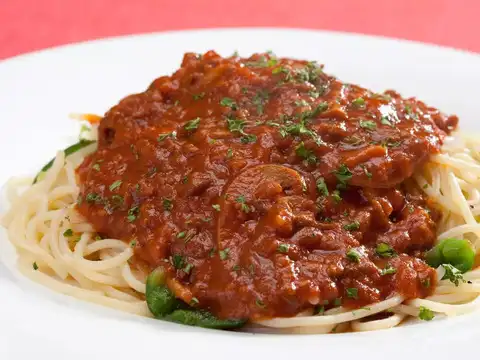
Prepared meals
Fully prepared meals with sauces, gravies, or complex ingredients may be banned as they can be difficult to handle and inspect during security checks.
Amazon Top Deals
POWERED BY

4/11
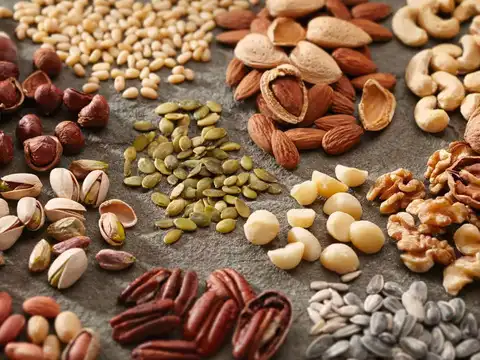
Nuts and seeds
In some countries, raw nuts and seeds may be restricted due to concerns about pests or contamination. Some countries may also restrict certain types of nuts for health or allergy-related reasons.
5/11
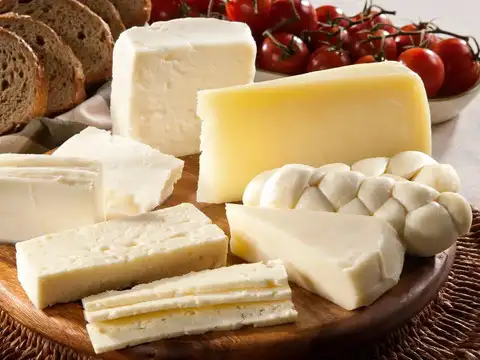
Meats and dairy products
Countries like the U.S., Australia, and New Zealand restrict the import of meat and dairy products, including items like sausages, cheese, and milk.
6/11
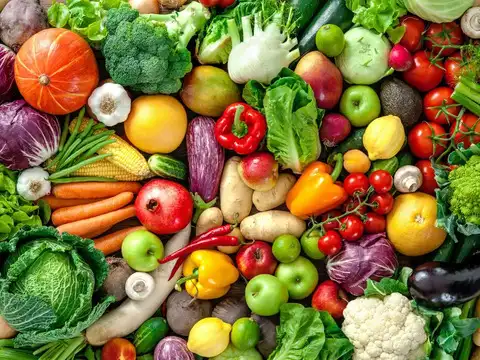
Fresh fruits and vegetables
Many countries ban the import of fresh produce to protect their ecosystems from pests and diseases. It's best to check the regulations of your destination before packing them.
7/11
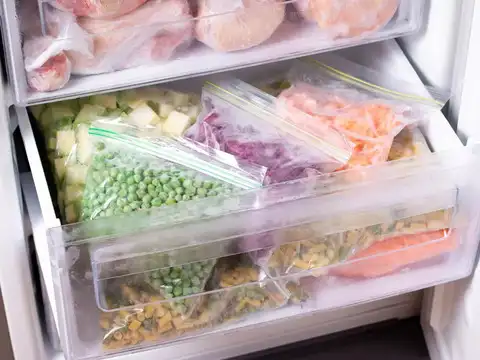
Frozen Foods
Many countries prohibit carrying frozen food in carry-on luggage due to the inability to properly maintain it at the required temperatures during the flight.
8/11
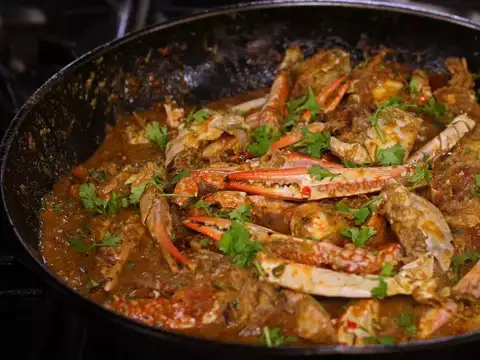
Items with strong odors
Strong-smelling foods like durian, seafood, or certain cheeses are often banned or discouraged on international flights because they can disturb passengers in a confined space.
9/11
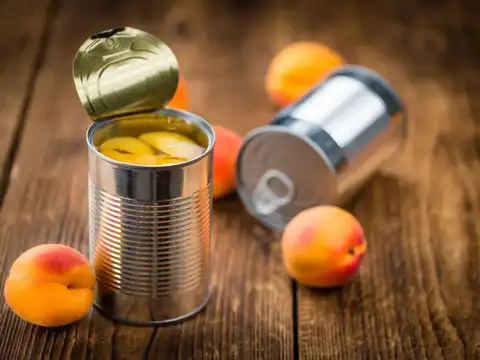
Canned goods
Canned foods, including fruits, vegetables, or meats, are often restricted due to their potential to contain liquids or gases that may pose security risks.
10/11
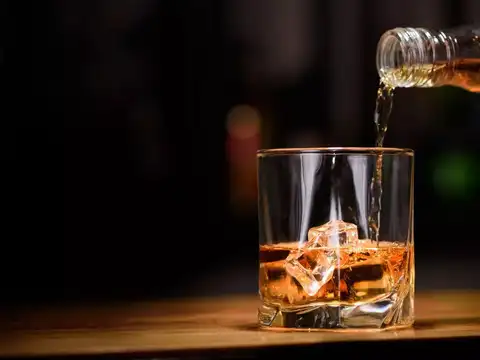
Alcoholic beverages
Carrying alcohol in your carry-on luggage is often restricted, and duty-free items may have to be sealed in tamper-proof bags.
11/11
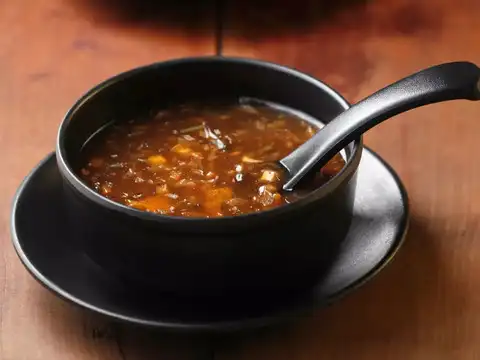
Liquids and gels
Items like soups, sauces, or yogurt in containers larger than 100ml are not allowed in carry-on baggage due to liquid restrictions.