New F-1 visa rules pose challenges for international students in the US
Recent changes to F-1 visa regulations impose stricter limits on how long international students can spend outside the US, restricting them to a maximum of five consecutive months during their academic programs. This poses challenges for students ...
By ET Online |

iStock
Recent changes to F-1 visa regulations have created new challenges for both current and prospective international students in the United States. The updated rules enforce stricter restrictions on the amount of time students can spend outside the country while keeping their visa status.
According to the new rule, students must not spend more than five consecutive months outside the country during their academic programmes, a rule that could significantly impact study abroad plans, internships, and even academic breaks.
These new restrictions have raised concerns for many students, especially those enrolled in programmes that require or encourage international mobility. Global education programmes, internships abroad, and extended research projects outside the US may no longer be feasible without risking the student's visa status.
This creates major challenges for students in programs that depend on international experience. The rule also affects optional internships or exchange programs that send students abroad for longer durations. Universities with global education frameworks will need to make substantial changes to their curricula to adapt to these new regulations.
Additionally, this policy requires students to obtain a new Form I-20, incurring extra costs. This adds complexity for those looking to pursue extended study opportunities.
For those already studying in the US, these changes could disrupt carefully laid-out plans, particularly for students who were expecting to complete internships or research projects in other countries. STEM students, for instance, may miss out on crucial international research opportunities or specialised training that is only available abroad.
Additionally, universities might see a drop in international student applications if these restrictions limit the global opportunities that many students seek in a US-based education. Institutions will have to weigh the costs of redesigning their programmes against the risk of losing students to universities in countries with less restrictive visa policies.
According to the new rule, students must not spend more than five consecutive months outside the country during their academic programmes, a rule that could significantly impact study abroad plans, internships, and even academic breaks.
These new restrictions have raised concerns for many students, especially those enrolled in programmes that require or encourage international mobility. Global education programmes, internships abroad, and extended research projects outside the US may no longer be feasible without risking the student's visa status.
What is F-1 visa?
The F-1 visa is a non-immigrant visa issued to international students wishing to pursue academic studies in the United States. Historically, F-1 visa holders have been permitted to travel outside the US for various reasons, such as holidays, study abroad semesters, or international internships, provided they do not exceed a certain duration. Under the new rules, however, students will no longer be able to remain outside the US for more than five months without risking their visa status.This creates major challenges for students in programs that depend on international experience. The rule also affects optional internships or exchange programs that send students abroad for longer durations. Universities with global education frameworks will need to make substantial changes to their curricula to adapt to these new regulations.
Additionally, this policy requires students to obtain a new Form I-20, incurring extra costs. This adds complexity for those looking to pursue extended study opportunities.
ADVERTISEMENT
How will the new changes affect students?
The updated visa restrictions require students to meticulously plan their academic and professional engagements to avoid exceeding the five-month limit outside the US. For those enrolled in global programs, this might necessitate giving up important international learning experiences or opting for shorter, more frequent trips abroad.For those already studying in the US, these changes could disrupt carefully laid-out plans, particularly for students who were expecting to complete internships or research projects in other countries. STEM students, for instance, may miss out on crucial international research opportunities or specialised training that is only available abroad.
Implications for universities:
US universities will face the immediate challenge of adjusting their global programmes to align with the new visa requirements. Many institutions are already rethinking how to structure programmes that involve international components. This could mean a shift towards shorter study abroad experiences or offering more virtual alternatives for students to engage with international cultures and work environments without leaving the US.Additionally, universities might see a drop in international student applications if these restrictions limit the global opportunities that many students seek in a US-based education. Institutions will have to weigh the costs of redesigning their programmes against the risk of losing students to universities in countries with less restrictive visa policies.
ADVERTISEMENT
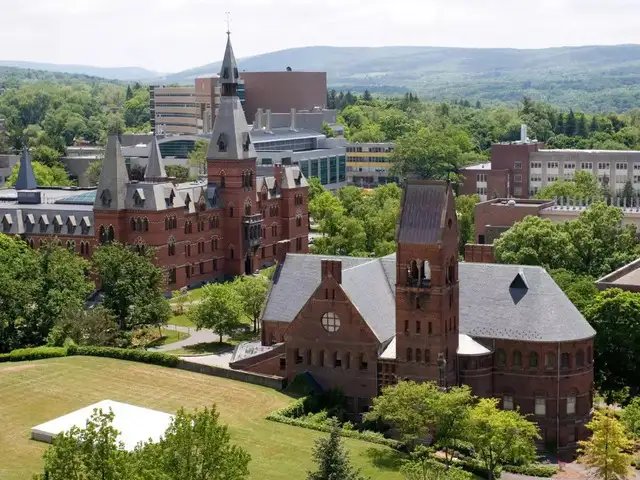
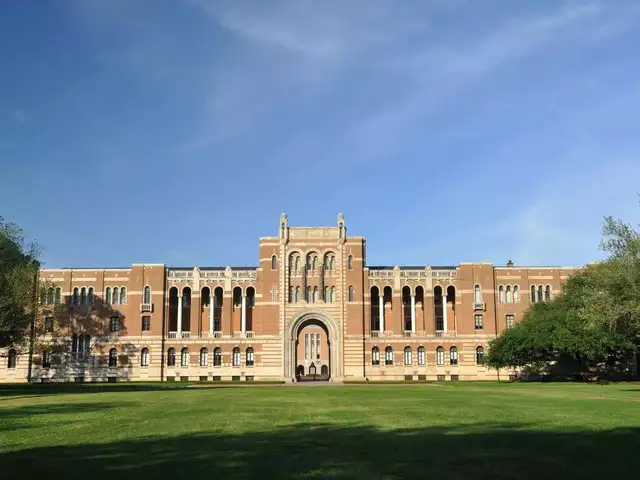
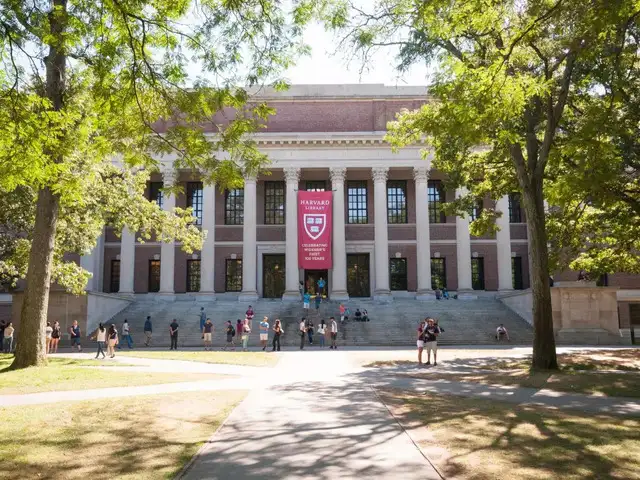
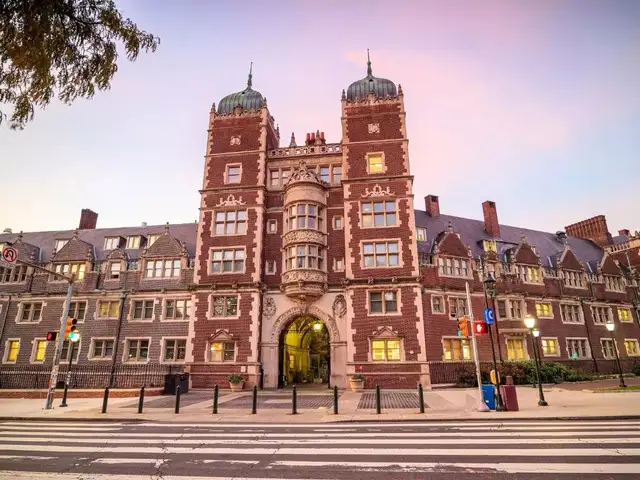
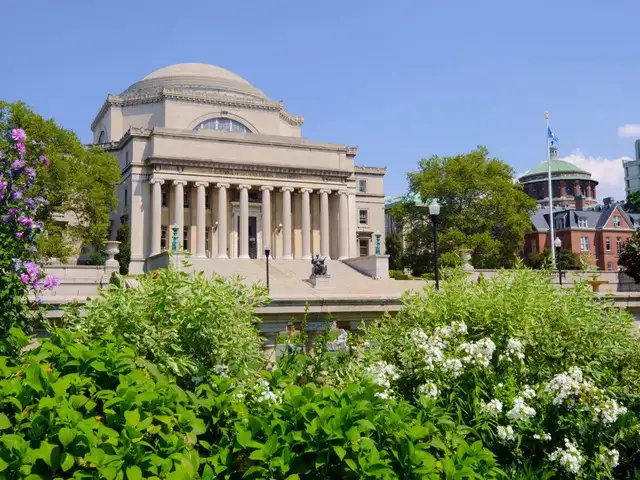
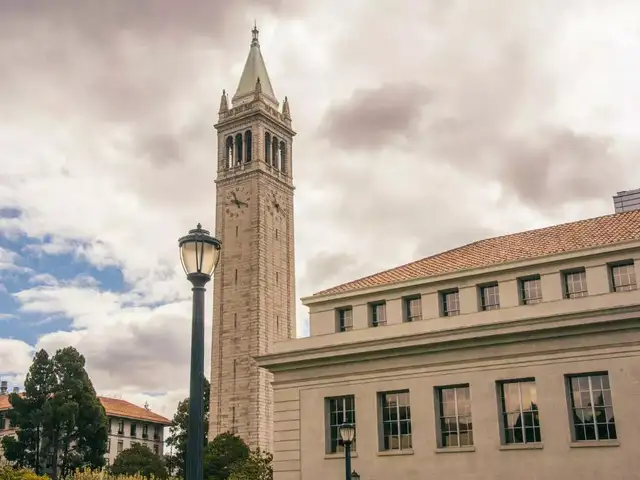
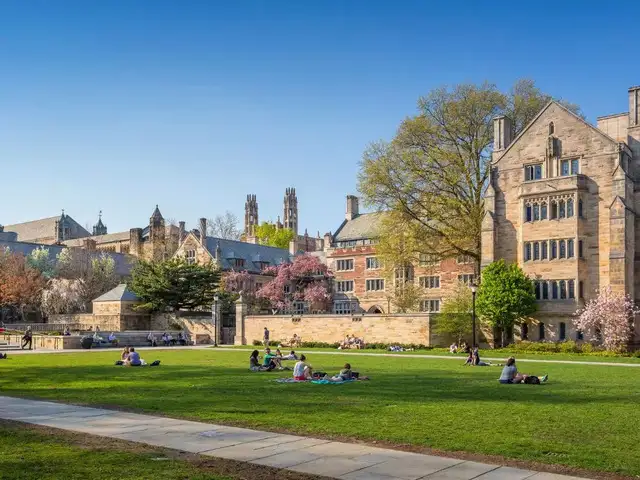
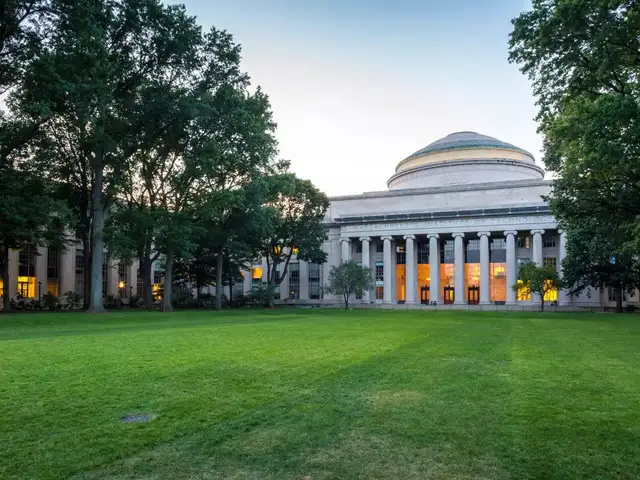
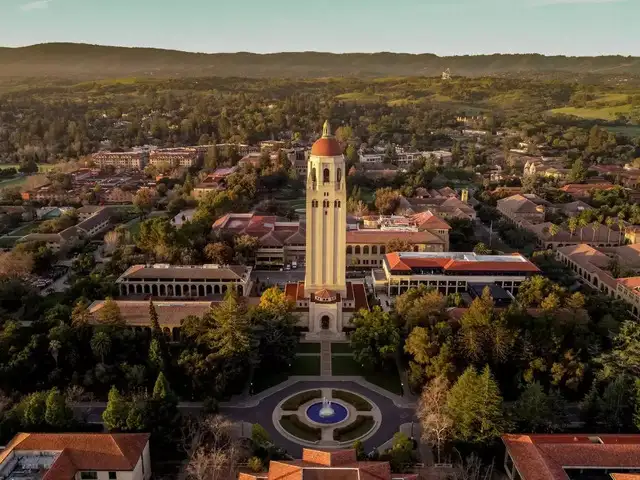
All the universities listed by Forbes have an acceptance rate of 3-11 per cent. They provide a dynamic educational experience that combines theoretical knowledge with practical applications, preparing graduates for leadership roles in various fields. Additionally, these colleges typically boast strong alumni networks, which offer valuable career connections and mentorship opportunities.

Download
The Economic Times Business News App for the Latest News in Business, Sensex, Stock Market Updates & More.
The Economic Times Business News App for the Latest News in Business, Sensex, Stock Market Updates & More.
ADVERTISEMENT


