US moves closer to launch Trump's Gold Card for permanent residency
The United States is moving closer to launching its Gold Card permanent residence program. USCIS has submitted a draft application form, I-140G, for federal review, with a December 18 deadline. This program allows foreign nationals to obtain a Gre...
By ET Online | Updated:

Agencies
The United States has taken a key step toward launching the Gold Card permanent residence program after US Citizenship and Immigration Services (USCIS) sent a draft application form for federal review, according to a report by Fragomen. The form, known as Form I-140G, is now with the Office of Management and Budget (OMB), marking essential progress toward meeting the December 18 implementation deadline set by President Trump.
The draft form is designed for applicants seeking permanent residence through the new Gold Card route. The program allows foreign nationals to become eligible for a Green Card after making a donation to the US Treasury. USCIS has indicated that the application fee is expected to be $15,000 per applicant, Fragomen reported.
Under the proposed framework, individual petitioners would need to donate $1 million. Corporate petitioners sponsoring a foreign national would need to donate $2 million. These applications would fall under the EB-1 category for individuals with extraordinary ability or the EB-2 National Interest Waiver category.
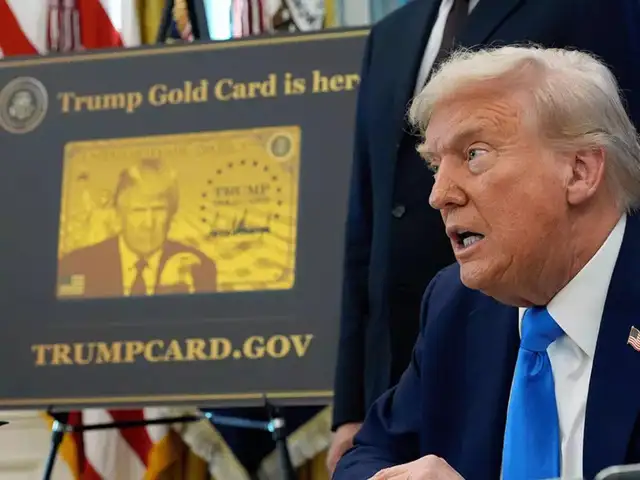
The program was first announced in September through an executive order that directed USCIS to make it operational by December 18. Further details on the process are expected in the coming weeks as the draft form undergoes federal review.
This update is part of USCIS’s preparatory work ahead of opening the program to interested applicants.
The draft form is designed for applicants seeking permanent residence through the new Gold Card route. The program allows foreign nationals to become eligible for a Green Card after making a donation to the US Treasury. USCIS has indicated that the application fee is expected to be $15,000 per applicant, Fragomen reported.
Under the proposed framework, individual petitioners would need to donate $1 million. Corporate petitioners sponsoring a foreign national would need to donate $2 million. These applications would fall under the EB-1 category for individuals with extraordinary ability or the EB-2 National Interest Waiver category.
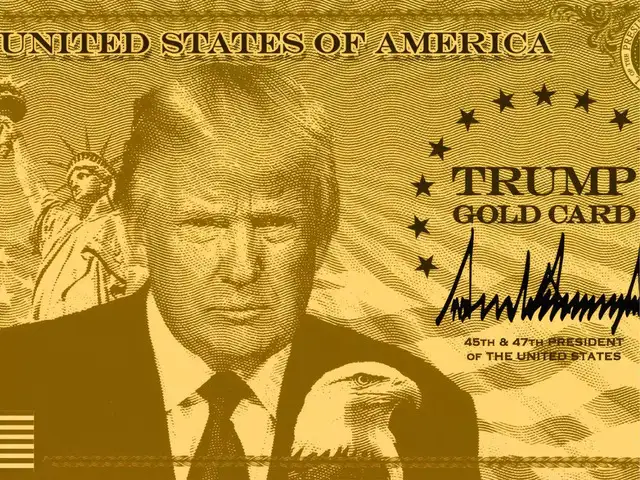
The Trump Gold Card is a new visa program launched by President Donald Trump on September 19, 2025. Introduced for wealthy foreign investors, entrepreneurs, and business leaders, it provides a pathway to U.S. residency in exchange for a significant financial contribution to the Department of Commerce.





The program was first announced in September through an executive order that directed USCIS to make it operational by December 18. Further details on the process are expected in the coming weeks as the draft form undergoes federal review.
This update is part of USCIS’s preparatory work ahead of opening the program to interested applicants.
Download
The Economic Times Business News App for the Latest News in Business, Sensex, Stock Market Updates & More.
The Economic Times Business News App for the Latest News in Business, Sensex, Stock Market Updates & More.
Related Articles
 Trump's 'gold card' visa starting at $1 million granted to just 1 person so far, White House says
ADVERTISEMENT


