US freezes flight cuts at 6% as air traffic control absences shrink
As the government shutdown nears its resolution, flight reductions have been scaled back to only six percent. A marked decline in the absence rates of air traffic controllers suggests that normal air travel operations could restart shortly. While ...
By Reuters |

Agencies
The Trump administration late on Wednesday froze government-imposed flight cuts at 40 major airports at 6% after air traffic control absences fell sharply, hours ahead of an expected end to the record-long U.S. government shutdown.
The Federal Aviation Administration last week ordered 8% cuts for Thursday and 10% for Friday, affecting only domestic flights. But it opted to ease those cancellations after disruptions due to air traffic control absences declined dramatically in recent days as the chances of a government reopening rose after a Senate compromise.
"The 6% hold will remain in place as the FAA continues to assess whether the system can gradually return to normal operations," the agency said.
U.S. airlines canceled 900 flights on Wednesday - the fewest in six days - under the FAA's 6% requirement, according to FlightAware, a flight tracking website.
Air traffic control absences accounted for just 1% of delays on Tuesday, compared with 5% on average before the shutdown, the FAA said.
The FAA is about 3,500 air traffic controllers short of targeted staffing levels. Many had been working mandatory overtime and six-day weeks even before the shutdown led to them working without pay.
Before the government trimmed the cuts planned for Thursday, several airlines had only canceled around 6% of flights as they expected a reduction of that level rather than the originally planned 8%, Reuters reported earlier.
"If the FAA safety team determines the trend lines are moving in the right direction, we'll put forward a path to resume normal operation," Transportation Secretary Sean Duffy said in a statement on Wednesday.
Airlines are still hopeful the cuts will be reduced over the weekend.
"Once the shutdown ends, we're optimistic that the FAA will allow airlines to resume normal operations within a few days," Southwest Airlines Chief Operating Officer Andrew Watterson told employees in a note.
DELAYS REDUCED SHARPLY
Flight operations are improving dramatically, with just 2,000 delays on Wednesday compared with 4,000 on Tuesday and nearly 10,000 on Monday, according to FlightAware.
Delta Air Lines CEO Ed Bastian told CNBC he thinks the aviation system will be largely back to normal this weekend, but said the recent cancellations will cost airlines and the economy a significant amount.
Air traffic absences have led to tens of thousands of flight cancellations and delays since October 1, when the 43-day shutdown began. Last weekend, 1.2 million passengers were delayed or had flights canceled due to air traffic controller absences.
Some were absent because they needed to work second jobs or could not afford child care.
Duffy said air traffic controllers will get a lump sum payment equal to 70% of their back pay within 48 hours of the shutdown ending.
A U.S. Senate subcommittee will hold a hearing next Wednesday on the impact of the shutdown on aviation safety.
The Federal Aviation Administration last week ordered 8% cuts for Thursday and 10% for Friday, affecting only domestic flights. But it opted to ease those cancellations after disruptions due to air traffic control absences declined dramatically in recent days as the chances of a government reopening rose after a Senate compromise.
"The 6% hold will remain in place as the FAA continues to assess whether the system can gradually return to normal operations," the agency said.
U.S. airlines canceled 900 flights on Wednesday - the fewest in six days - under the FAA's 6% requirement, according to FlightAware, a flight tracking website.
Air traffic control absences accounted for just 1% of delays on Tuesday, compared with 5% on average before the shutdown, the FAA said.
The FAA is about 3,500 air traffic controllers short of targeted staffing levels. Many had been working mandatory overtime and six-day weeks even before the shutdown led to them working without pay.
ADVERTISEMENT
Before the government trimmed the cuts planned for Thursday, several airlines had only canceled around 6% of flights as they expected a reduction of that level rather than the originally planned 8%, Reuters reported earlier.
"If the FAA safety team determines the trend lines are moving in the right direction, we'll put forward a path to resume normal operation," Transportation Secretary Sean Duffy said in a statement on Wednesday.
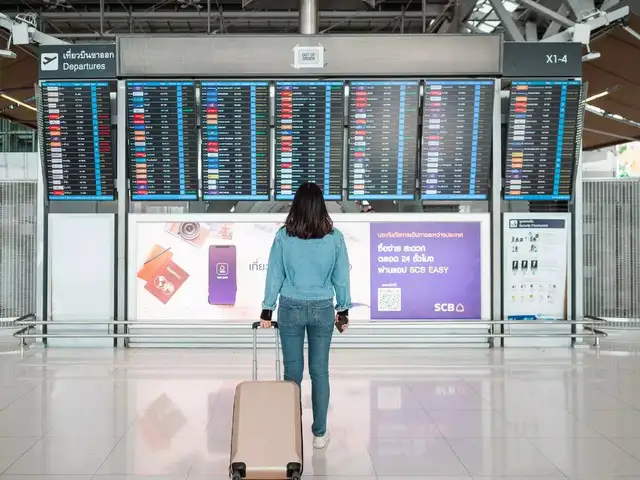
More than 10,000 flights have been cancelled across the United States since the Federal Aviation Administration (FAA) ordered nationwide flight reductions to manage control tower shortages during the federal government shutdown. The shutdown’s end may bring relief—but not right away.



Airlines are still hopeful the cuts will be reduced over the weekend.
ADVERTISEMENT
"Once the shutdown ends, we're optimistic that the FAA will allow airlines to resume normal operations within a few days," Southwest Airlines Chief Operating Officer Andrew Watterson told employees in a note.
DELAYS REDUCED SHARPLY
ADVERTISEMENT
Flight operations are improving dramatically, with just 2,000 delays on Wednesday compared with 4,000 on Tuesday and nearly 10,000 on Monday, according to FlightAware.
Delta Air Lines CEO Ed Bastian told CNBC he thinks the aviation system will be largely back to normal this weekend, but said the recent cancellations will cost airlines and the economy a significant amount.
Air traffic absences have led to tens of thousands of flight cancellations and delays since October 1, when the 43-day shutdown began. Last weekend, 1.2 million passengers were delayed or had flights canceled due to air traffic controller absences.
Some were absent because they needed to work second jobs or could not afford child care.
Duffy said air traffic controllers will get a lump sum payment equal to 70% of their back pay within 48 hours of the shutdown ending.
A U.S. Senate subcommittee will hold a hearing next Wednesday on the impact of the shutdown on aviation safety.
Download
The Economic Times Business News App for the Latest News in Business, Sensex, Stock Market Updates & More.
The Economic Times Business News App for the Latest News in Business, Sensex, Stock Market Updates & More.
Related Articles
 US flight cancellations fall as air traffic control absences shrink
ADVERTISEMENT


