How Trump would crack down on US immigration in a second term
Trump pledges to address illegal and legal immigration by enforcing border policies, mass deportations, travel bans, and changes to legal immigration. He aims to tighten security, restrict entry, and overhaul existing programs if re-elected.
By Reuters | Updated:

AFP
Former U.S. President Donald Trump, a Republican running in the Nov. 5 election, has promised to crack down on illegal immigration and restrict legal immigration if elected to a second four-year term in the White House.
Here are some of the policies under consideration:
Border Enforcement
Trump has said he would restore his 2019 "remain in Mexico" program, which forced non-Mexican asylum-seekers attempting to enter the United States at the southern border to wait in Mexico for the resolution of their cases. The program was terminated by President Joe Biden, a Democrat seeking another term in the White House. Biden defeated Trump in 2020, pledging more humane and orderly immigration policies, but has struggled with record levels of migrants caught crossing the U.S.-Mexico border illegally.
Trump also would reinstate the COVID-era Title 42 policy, which allowed U.S. border authorities to quickly expel migrants back to Mexico without the chance to claim asylum, he told Time magazine in an interview.
Trump would use record border crossings and trafficking of fentanyl and children as reasons for the emergency moves, Time reported, citing comments from advisers.
Trump focused on building a wall on the Mexico border during his first term and has pledged to close gaps in the border wall if reelected. His administration built 450 miles (725 km) of barriers across the 1,954-mile (3,145-km) border, but much of that replaced existing structures.
Trump would introduce a border security and immigration bill as one of the first pieces of legislation, Time reported.
Mass deportations
Trump told Time he did not rule out building new migrant detention camps but "there wouldn't be that much of a need for them" because migrants would be rapidly removed.
Trump has also vowed to take aggressive new steps to deport immigrants with criminal records and suspected gang members by using the little-known 1789 Alien Enemies Act.
Stephen Miller, the architect of Trump's first-term immigration agenda, said in a November interview with a right-wing podcast that National Guard troops from cooperative states could potentially be deployed to "unfriendly" states to assist with deportations, which could trigger legal battles.
Travel Bans
Trump has said he would implement travel bans on people from certain countries or with certain ideologies, expanding on a policy upheld by the Supreme Court in 2018. Trump previewed some parts of the world that could be subjected to a renewed travel ban in an October 2023 speech, pledging to restrict people from the Gaza Strip, Libya, Somalia, Syria, Yemen and "anywhere else that threatens our security."
During the speech, Trump focused on the conflict in Gaza, saying he would bar the entry of immigrants who support the Islamist militant group Hamas and send deportation officers to pro-Hamas protests.
Trump said last June he would seek to block communists, Marxists and socialists from entering the United States.
Legal Immigration
Trump said last year that he would seek to end automatic citizenship for children born in the U.S. to immigrants living in the country illegally, an idea he flirted with as president. Such an action would run against the long-running interpretation of an amendment to the U.S. Constitution and likely trigger legal challenges. During his first term, Trump greatly reduced the number of refugees allowed into the U.S. and has criticized Biden's decision to increase admissions. He would again suspend the resettlement program if reelected, the New York Times reported in November 2023. Trump has said he would push for a "a merit-based immigration system that protects American labor and promotes American values." In his first term, he took steps to tighten access to some visa programs, including a suspension of many work visas during the COVID-19 pandemic.
Trump has vowed to end Biden "parole" programs that have allowed hundreds of thousands of migrants with U.S. sponsors to enter the U.S. and obtain work permits, including Ukrainians and Afghans. He has called Biden's programs an "outrageous abuse of parole authority."
He would seek to roll back Temporary Protected Status (TPS) designations, the New York Times reported, targeting another humanitarian program that offers deportation relief and work permits to hundreds of thousands. Trump tried to phase out most TPS enrollment during his first term, but was slowed by legal challenges. A federal appeals court in September 2020 allowed Trump to proceed with the wind-down, but Biden reversed course and expanded the program after taking office.
Family seperation
In a town hall with CNN last year, Trump declined to rule out resuming his contentious "zero tolerance" policy that led thousands of migrant children and parents to be separated at the U.S.-Mexico border in 2018. He defended the separations again in November, telling Spanish-language news outlet Univision that "it stopped people from coming by the hundreds of thousands." While Trump has refused to rule out reinstating a family separation policy, key allies who could potentially join a second-term administration are wary, Reuters reported. The Biden administration in October 2023 announced a settlement agreement with separated families that would offer them temporary legal status and other benefits while barring similar separations for at least eight years.
DACA
Trump tried to end a program that grants deportation relief and work permits to "Dreamer" immigrants brought to the U.S. illegally as children, but the termination was rebuffed by the Supreme Court in June 2020. Following the Supreme Court ruling, the Trump administration said it would not accept any new applications to the program, known as Deferred Action for Childhood Arrivals (DACA), and would explore whether it could again attempt to end it.
Trump plans to try to end DACA if elected, the New York Times reported.
Your sponsor can be your current or a new employer, as long as they're willing to support your application.
Here are some of the policies under consideration:
Border Enforcement
Trump has said he would restore his 2019 "remain in Mexico" program, which forced non-Mexican asylum-seekers attempting to enter the United States at the southern border to wait in Mexico for the resolution of their cases. The program was terminated by President Joe Biden, a Democrat seeking another term in the White House. Biden defeated Trump in 2020, pledging more humane and orderly immigration policies, but has struggled with record levels of migrants caught crossing the U.S.-Mexico border illegally.
Trump also would reinstate the COVID-era Title 42 policy, which allowed U.S. border authorities to quickly expel migrants back to Mexico without the chance to claim asylum, he told Time magazine in an interview.
Trump would use record border crossings and trafficking of fentanyl and children as reasons for the emergency moves, Time reported, citing comments from advisers.
ADVERTISEMENT
Trump has said he will seek to detain all migrants caught crossing the border illegally or violating other immigration laws, ending what he calls "catch and release."Trump focused on building a wall on the Mexico border during his first term and has pledged to close gaps in the border wall if reelected. His administration built 450 miles (725 km) of barriers across the 1,954-mile (3,145-km) border, but much of that replaced existing structures.
Trump would introduce a border security and immigration bill as one of the first pieces of legislation, Time reported.
Mass deportations
ADVERTISEMENT
Trump has pledged to launch the largest deportation effort in U.S. history, focusing on criminals but aiming to send millions back to their home countries.Trump told Time he did not rule out building new migrant detention camps but "there wouldn't be that much of a need for them" because migrants would be rapidly removed.
ADVERTISEMENT
Trump would rely on the National Guard, if needed, to arrest and deport immigrants in the U.S. illegally, he said. When questioned, he also said he would be willing to consider using federal troops if necessary, a step likely to be challenged in the courts.Trump has also vowed to take aggressive new steps to deport immigrants with criminal records and suspected gang members by using the little-known 1789 Alien Enemies Act.
Stephen Miller, the architect of Trump's first-term immigration agenda, said in a November interview with a right-wing podcast that National Guard troops from cooperative states could potentially be deployed to "unfriendly" states to assist with deportations, which could trigger legal battles.
Travel Bans
Trump has said he would implement travel bans on people from certain countries or with certain ideologies, expanding on a policy upheld by the Supreme Court in 2018. Trump previewed some parts of the world that could be subjected to a renewed travel ban in an October 2023 speech, pledging to restrict people from the Gaza Strip, Libya, Somalia, Syria, Yemen and "anywhere else that threatens our security."
During the speech, Trump focused on the conflict in Gaza, saying he would bar the entry of immigrants who support the Islamist militant group Hamas and send deportation officers to pro-Hamas protests.
Trump said last June he would seek to block communists, Marxists and socialists from entering the United States.
Legal Immigration
Trump said last year that he would seek to end automatic citizenship for children born in the U.S. to immigrants living in the country illegally, an idea he flirted with as president. Such an action would run against the long-running interpretation of an amendment to the U.S. Constitution and likely trigger legal challenges. During his first term, Trump greatly reduced the number of refugees allowed into the U.S. and has criticized Biden's decision to increase admissions. He would again suspend the resettlement program if reelected, the New York Times reported in November 2023. Trump has said he would push for a "a merit-based immigration system that protects American labor and promotes American values." In his first term, he took steps to tighten access to some visa programs, including a suspension of many work visas during the COVID-19 pandemic.
Trump has vowed to end Biden "parole" programs that have allowed hundreds of thousands of migrants with U.S. sponsors to enter the U.S. and obtain work permits, including Ukrainians and Afghans. He has called Biden's programs an "outrageous abuse of parole authority."
He would seek to roll back Temporary Protected Status (TPS) designations, the New York Times reported, targeting another humanitarian program that offers deportation relief and work permits to hundreds of thousands. Trump tried to phase out most TPS enrollment during his first term, but was slowed by legal challenges. A federal appeals court in September 2020 allowed Trump to proceed with the wind-down, but Biden reversed course and expanded the program after taking office.
Family seperation
In a town hall with CNN last year, Trump declined to rule out resuming his contentious "zero tolerance" policy that led thousands of migrant children and parents to be separated at the U.S.-Mexico border in 2018. He defended the separations again in November, telling Spanish-language news outlet Univision that "it stopped people from coming by the hundreds of thousands." While Trump has refused to rule out reinstating a family separation policy, key allies who could potentially join a second-term administration are wary, Reuters reported. The Biden administration in October 2023 announced a settlement agreement with separated families that would offer them temporary legal status and other benefits while barring similar separations for at least eight years.
DACA
Trump tried to end a program that grants deportation relief and work permits to "Dreamer" immigrants brought to the U.S. illegally as children, but the termination was rebuffed by the Supreme Court in June 2020. Following the Supreme Court ruling, the Trump administration said it would not accept any new applications to the program, known as Deferred Action for Childhood Arrivals (DACA), and would explore whether it could again attempt to end it.
Trump plans to try to end DACA if elected, the New York Times reported.
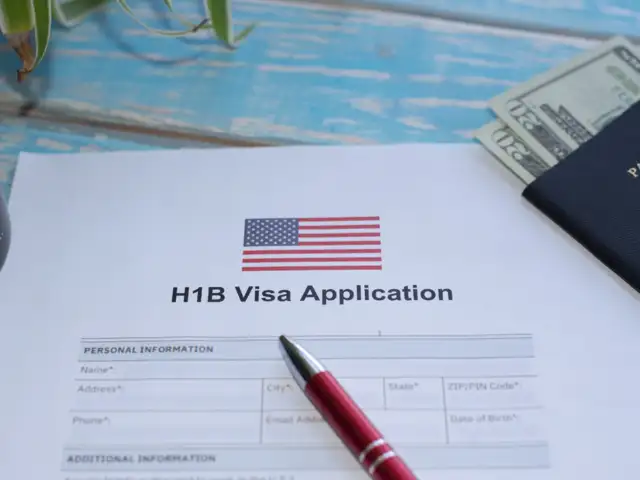
To get an H-1B visa, you need a company to sponsor you. If you're already in the US on a student visa, ask your employer if they can sponsor your H-1B. Otherwise, consult an immigration lawyer about your options.
Your sponsor can be your current or a new employer, as long as they're willing to support your application.




Download
The Economic Times Business News App for the Latest News in Business, Sensex, Stock Market Updates & More.
The Economic Times Business News App for the Latest News in Business, Sensex, Stock Market Updates & More.
ADVERTISEMENT


