
Plastic podiums, recycled medals, cardboard beds: Sustainability at Tokyo 2020
1/5
Sustainability at Olympic
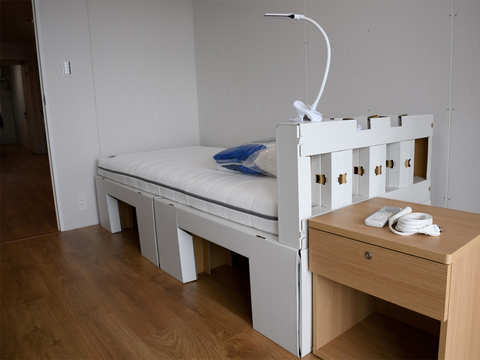
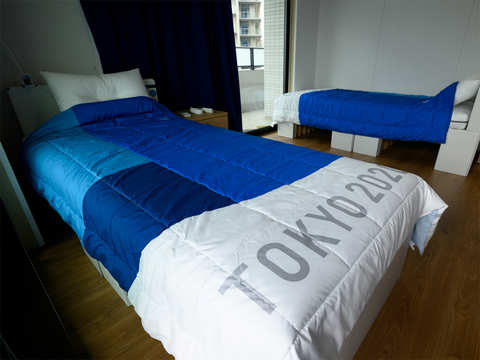
Japan has put a spotlight on sustainability at the 2020 Olympic Games, with athletes standing on podiums made of recycled plastics to receive medals crafted from recycled small electronics before sleeping on beds made of cardboard.
2/5
Recycled wood
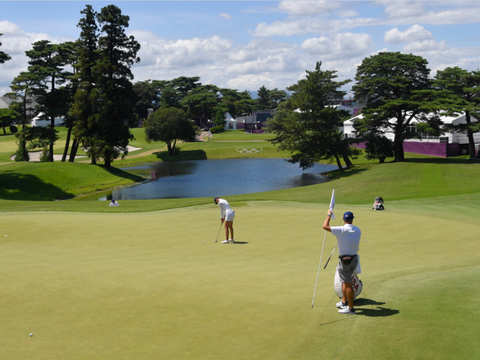
Electric cars ferry competitors and media between venues, many of which are temporary constructions made of recycled wood that will be dismantled after the Games, preventing the white elephant stadiums left behind in other host cities.
3/5
"Beyond carbon neutrality"
The Tokyo organising committee has hung its hat on providing a "beyond carbon neutrality" event, a goal it will meet with the help of donated carbon offset credits from businesses in Tokyo and Saitama prefectures, the two Games locations, along with the lack of spectators.
Amazon Top Deals
POWERED BY

Crompton Ozone 75 Litres Desert Air Cooler for home | Large & Easy Clean Ice Chamber | 4-Way Air Deflection | High Density Honeycomb Pads | Everlast Pump | Auto Fill| 3 Year Brand Warranty
₹9,798Buy Now43%
OFF

LG 32 L Convection Microwave Oven (MC3286BRUM, Black, 360° Motorised Rotisserie for Bar-be-queing, 301 Auto Cook Menu, Stainless steel cavity, Indian Cuisine, Tandoor Se, Steam Clean & Diet Fry)
₹19,340Buy Now19%
OFF
4/5
Green credentials
The Tokyo event has some high-profile green credentials.
The gold, silver and bronze medals were forged from recycled metal from old mobile phones and other small appliances donated by the general public in an initiative started back in 2017. The 3D-printed victory ceremony podiums were crafted from plastic waste.
The gold, silver and bronze medals were forged from recycled metal from old mobile phones and other small appliances donated by the general public in an initiative started back in 2017. The 3D-printed victory ceremony podiums were crafted from plastic waste.
5/5
Hydrogen fuel cell
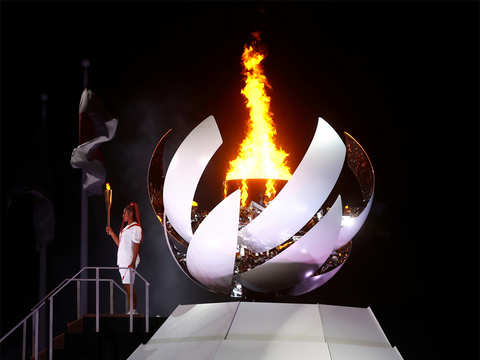
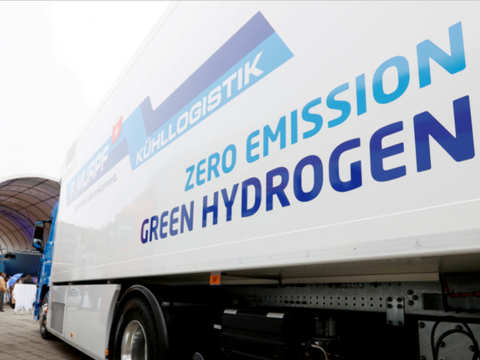
Some 500 hydrogen fuel cell vehicles are used to transport competitors, officials and media, as well as light the Olympic cauldron.
The athlete's village, where competitors sleep on cardboard beds, will be turned into into apartment complex after the Games and continue to be partially powered by hydrogen fuel cells.Among the 43 venues for Olympics and Paralympics Games, 25 existed before the Games and 10 are temporary venues.
The athlete's village, where competitors sleep on cardboard beds, will be turned into into apartment complex after the Games and continue to be partially powered by hydrogen fuel cells.Among the 43 venues for Olympics and Paralympics Games, 25 existed before the Games and 10 are temporary venues.