Scientist Tapan Misra to head ISRO's Space Application Centre
Eminent scientist Tapan Misra has been appointed the Chief of ISRO's Space Applications Centre (SAC), Ahmedabad, the space agency today said.
By PTI | Updated:

NEW DELHI: Eminent scientist Tapan Misra has been appointed the Chief of ISRO's Space Applications Centre (SAC), Ahmedabad, the space agency today said.
Misra, Deputy Director, Microwave Remote Sensing Area in SAC, succeeds A S Kiran Kumar, who was appointed as the Chairman of the ISRO last month.
He is also heading the Office of Innovations Management of ISRO at ISRO Headquarters, Bengaluru.
An electronics and telecommunication engineering graduate from Jadavpur University, Kolkata, Misra began his career at SAC as digital hardware engineer responsible for the development of 'Quick Look Display System of X-band Side Looking Airborne Radar' in 1984.
Later, he became the lead member of the team which designed and developed C-band Airborne Synthetic Aperture Radar (SAR). He developed an important algorithm for real time processing of SAR data during his tenure as Guest Scientist in German Aerospace Agency (DLR) in 1990.
Misra mainly contributed to the system design, simulation, integration, checkout and ground calibration for Multi-frequency Scanning Microwave Radiometer instrument which was carried on-board India's OCEANSAT-1 satellite.
Following this, he led the team which developed a special airborne radar system called DMSAR (SAR for Disaster Management) during 2005-2006. He also led the development of scatterometer payload of Oceansat-2, launched in 2009 which provided valuable wind related data to global meteorological community.
He was the lead designer for the development of C-band Synthetic Aperture Radar of India's Radar Imaging Satellite-1 (RISAT-1).
"Misra has been responsible for system design, planning and development of Microwave Remote Sensing Payloads of ISRO. As Deputy Director responsible for Microwave Remote Sensors Area, he has led the team to develop futuristic remote sensing systems including a variety of advanced radars, millimetre wave sounders and an advanced scatterometer," ISRO said in a statement.
He was awarded Hari Om Ashram Prerit Vikram Sarabhai research Award in 2004 and ISRO Merit award in 2008 for his contribution to the development of SAR technology. He was elected as Fellow of Indian National Academy of Engineering in 2007. He was also elected as Corresponding Member of International Academy of Astronautics in 2008.
He has 2 granted patents, 6 pending patents, 5 copyrights and many research papers to his credit, the statement added.
Misra, Deputy Director, Microwave Remote Sensing Area in SAC, succeeds A S Kiran Kumar, who was appointed as the Chairman of the ISRO last month.
He is also heading the Office of Innovations Management of ISRO at ISRO Headquarters, Bengaluru.
An electronics and telecommunication engineering graduate from Jadavpur University, Kolkata, Misra began his career at SAC as digital hardware engineer responsible for the development of 'Quick Look Display System of X-band Side Looking Airborne Radar' in 1984.
Later, he became the lead member of the team which designed and developed C-band Airborne Synthetic Aperture Radar (SAR). He developed an important algorithm for real time processing of SAR data during his tenure as Guest Scientist in German Aerospace Agency (DLR) in 1990.
Misra mainly contributed to the system design, simulation, integration, checkout and ground calibration for Multi-frequency Scanning Microwave Radiometer instrument which was carried on-board India's OCEANSAT-1 satellite.
ADVERTISEMENT
Following this, he led the team which developed a special airborne radar system called DMSAR (SAR for Disaster Management) during 2005-2006. He also led the development of scatterometer payload of Oceansat-2, launched in 2009 which provided valuable wind related data to global meteorological community.
He was the lead designer for the development of C-band Synthetic Aperture Radar of India's Radar Imaging Satellite-1 (RISAT-1).
"Misra has been responsible for system design, planning and development of Microwave Remote Sensing Payloads of ISRO. As Deputy Director responsible for Microwave Remote Sensors Area, he has led the team to develop futuristic remote sensing systems including a variety of advanced radars, millimetre wave sounders and an advanced scatterometer," ISRO said in a statement.
He was awarded Hari Om Ashram Prerit Vikram Sarabhai research Award in 2004 and ISRO Merit award in 2008 for his contribution to the development of SAR technology. He was elected as Fellow of Indian National Academy of Engineering in 2007. He was also elected as Corresponding Member of International Academy of Astronautics in 2008.
ADVERTISEMENT
He has 2 granted patents, 6 pending patents, 5 copyrights and many research papers to his credit, the statement added.
Download
The Economic Times Business News App for the Latest News in Business, Sensex, Stock Market Updates & More.
The Economic Times Business News App for the Latest News in Business, Sensex, Stock Market Updates & More.
Download
The Economic Times News App for Quarterly Results, Latest News in ITR, Business, Share Market, Live Sensex News & More.
The Economic Times News App for Quarterly Results, Latest News in ITR, Business, Share Market, Live Sensex News & More.
Related Articles
 Centre signs agreement with ISRO, rolls out new water research initiatives2026-06-01T08:34:36Z
- ISRO detects possible subsurface ice on moon using Chandrayaan-2 data2026-05-27T15:39:01Z
- ISRO, Roscosmos discuss delivery of semi-cryogenic engines in Moscow; draft contract under approval2026-05-02T07:48:28Z
Hari Pulakkat, ET Bureau
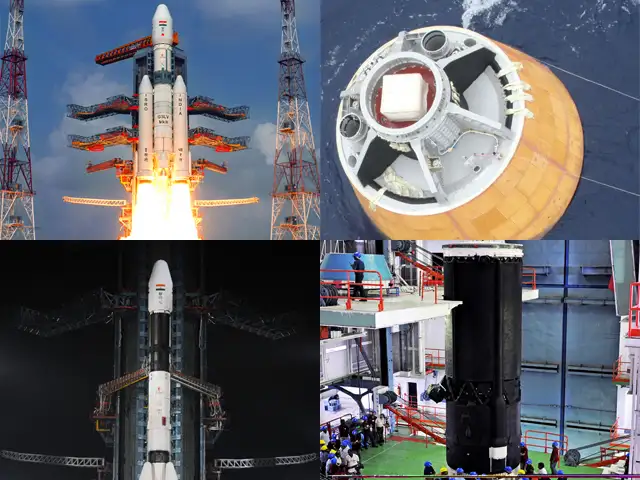
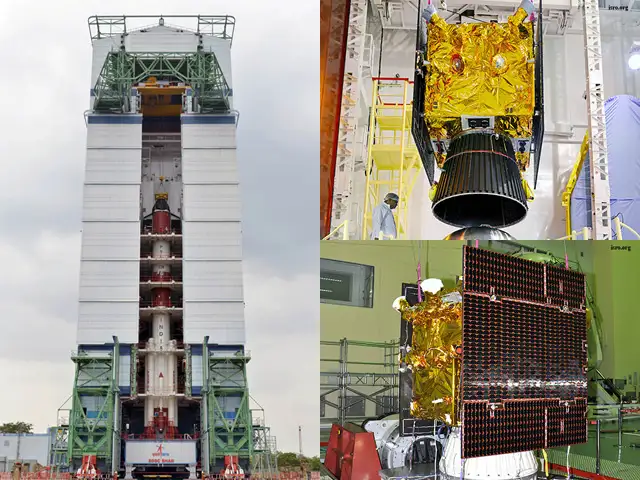
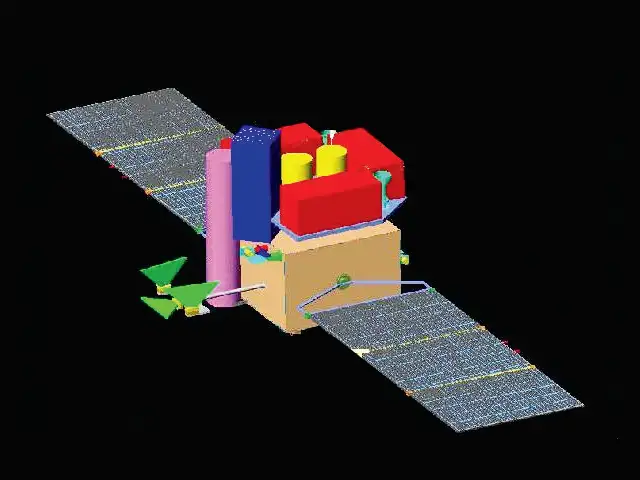
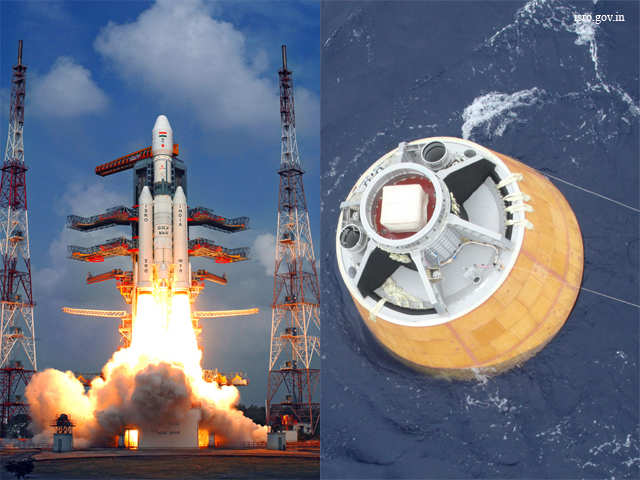
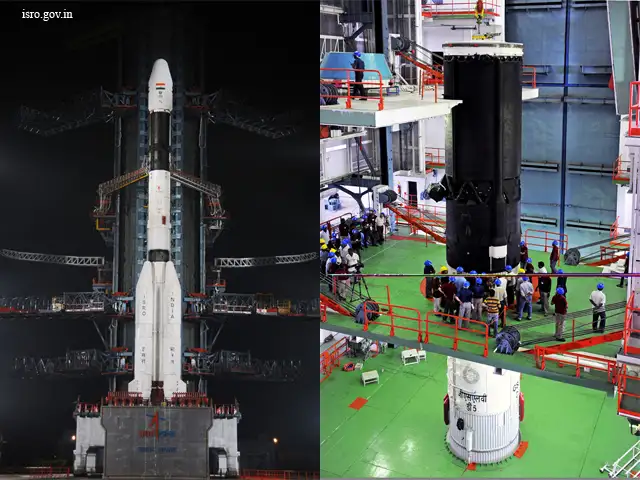
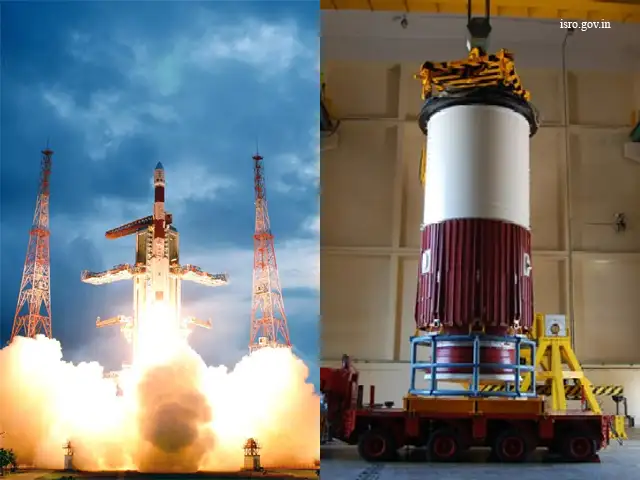
ISRO has its hands full with new projects, some of which pushing up the potential use of space technology significantly. These include new heavy launch vehicles, cryogenic and semi-cryogenic engines, a moon and a solar mission and, if there is enough government support, human space missions as well.
Plus, you have air-breathing and reusable launch vehicles. And the turnaround seems to be complete...
ISRO has its hands full with new projects, some of which pushing up the potential use of space technology significantly. These include new heavy launch vehicles, cryogenic and semi-cryogenic engines, a moon and a solar mission and, if there is enough government support, human space missions as well.
Plus, you have air-breathing and reusable launch vehicles. And the turnaround seems to be complete...

ADVERTISEMENT


