Pakistan to participate in SAARC satellite project meeting: ISRO
After the successful launch of PSLV C-23 last year, Modi had called for a greater collaboration among the SAARC countries.
By PTI | Updated:

AHMEDABAD: The SAARC countries, including Pakistan, will participate in the ambitious SAARC satellite project conceived by Prime Minister Narendra Modi, top official said today.
When asked if Pakistan was giving a cold shoulder to the project, the Chairman of Indian Space Research Organisation (ISRO) A S Kiran Kumar said, "That is not strictly correct. We have on 22nd (June) a meeting in Delhi, where all these seven SAARC countries will participate."
"There is a one day programme of familiarising them with what are the things that are possible and how to go forward. This discussion is on and we are told that all of them are participating," Kiran Kumar said.
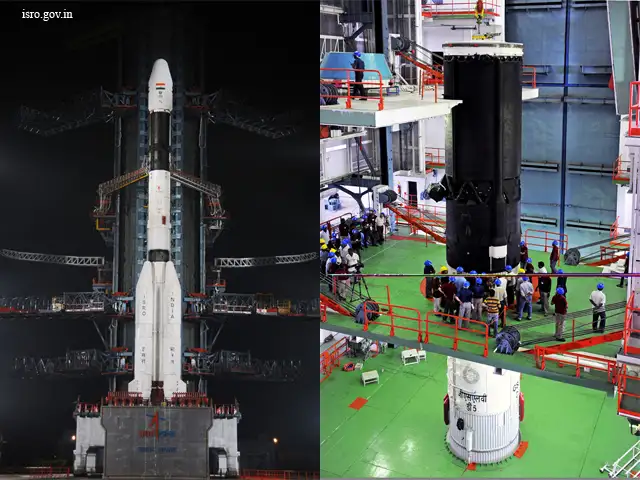
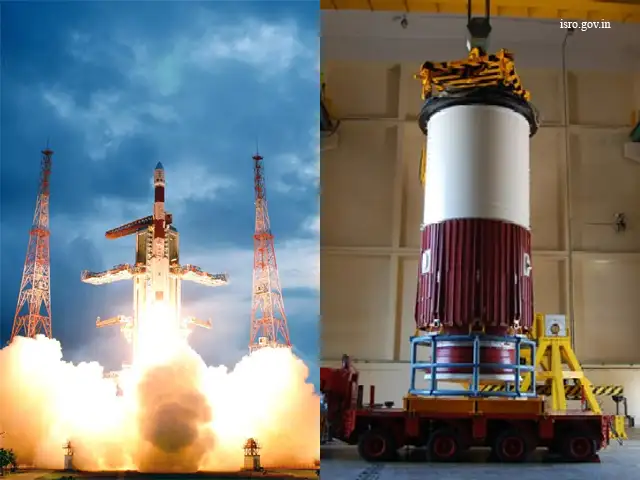
After the successful launch of PSLV C-23 last year, Modi had called for a greater collaboration among the SAARC countries and launch of a common satellite for the region.
It was also seen as a move to counter China in South Asia, as its space agency has been involved in launching satellites of several other countries. Following Modi's call, formal proposals were sent to all the SAARC countries.
There were reports that Pakistan was not much enthusiastic about the project.
When asked if Pakistan was giving a cold shoulder to the project, the Chairman of Indian Space Research Organisation (ISRO) A S Kiran Kumar said, "That is not strictly correct. We have on 22nd (June) a meeting in Delhi, where all these seven SAARC countries will participate."
"There is a one day programme of familiarising them with what are the things that are possible and how to go forward. This discussion is on and we are told that all of them are participating," Kiran Kumar said.
After the successful launch of PSLV C-23 last year, Modi had called for a greater collaboration among the SAARC countries and launch of a common satellite for the region.
It was also seen as a move to counter China in South Asia, as its space agency has been involved in launching satellites of several other countries. Following Modi's call, formal proposals were sent to all the SAARC countries.
There were reports that Pakistan was not much enthusiastic about the project.
Download
The Economic Times Business News App for the Latest News in Business, Sensex, Stock Market Updates & More.
The Economic Times Business News App for the Latest News in Business, Sensex, Stock Market Updates & More.
Download
The Economic Times News App for Quarterly Results, Latest News in ITR, Business, Share Market, Live Sensex News & More.
The Economic Times News App for Quarterly Results, Latest News in ITR, Business, Share Market, Live Sensex News & More.
Related Articles
 'Getting land in Bengaluru more difficult than making satellites': Startup founder's tweet sparks Andhra-Karnataka investment war2026-06-18T09:14:38Z
- Reliance Jio plans 1,650-satellite LEO network for broadband services2026-06-18T00:58:35Z
- Are the world’s freshwater sources vanishing before our eyes? Satellite images reveal an appalling global water crisis2026-06-17T13:58:28Z
Hari Pulakkat, ET Bureau
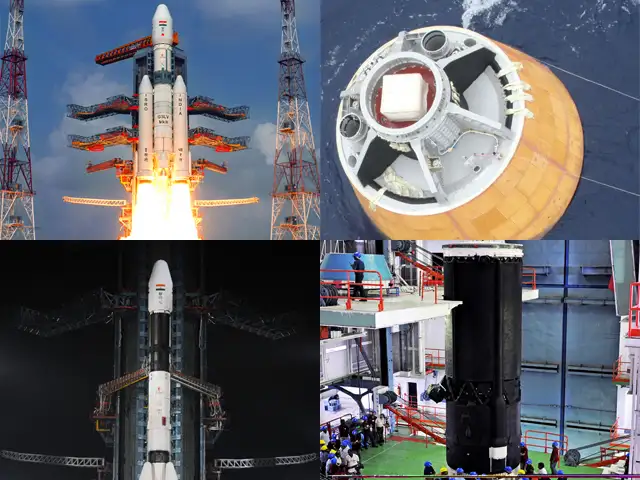
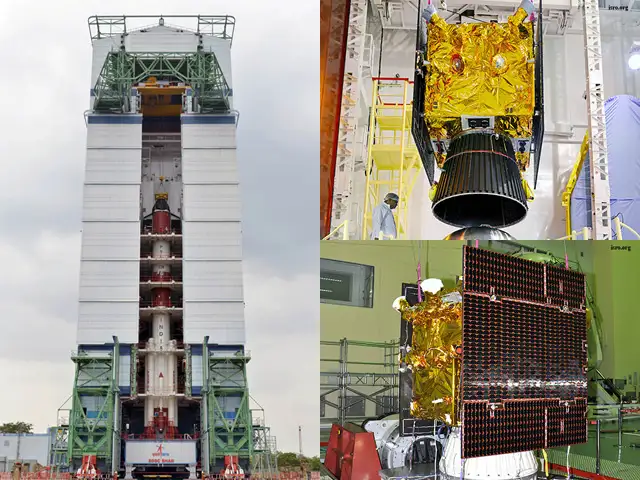
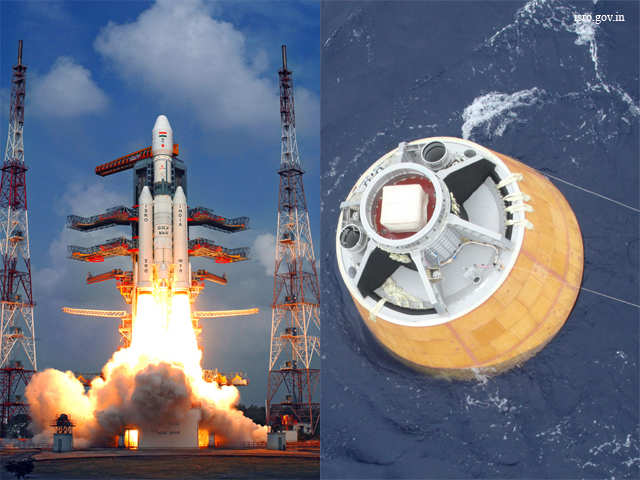
ISRO has its hands full with new projects, some of which pushing up the potential use of space technology significantly. These include new heavy launch vehicles, cryogenic and semi-cryogenic engines, a moon and a solar mission and, if there is enough government support, human space missions as well.
Plus, you have air-breathing and reusable launch vehicles. And the turnaround seems to be complete...
ISRO has its hands full with new projects, some of which pushing up the potential use of space technology significantly. These include new heavy launch vehicles, cryogenic and semi-cryogenic engines, a moon and a solar mission and, if there is enough government support, human space missions as well.
Plus, you have air-breathing and reusable launch vehicles. And the turnaround seems to be complete...

ADVERTISEMENT


