
New genome research helps fisheries battle the climate crisis
1/5
Genomics
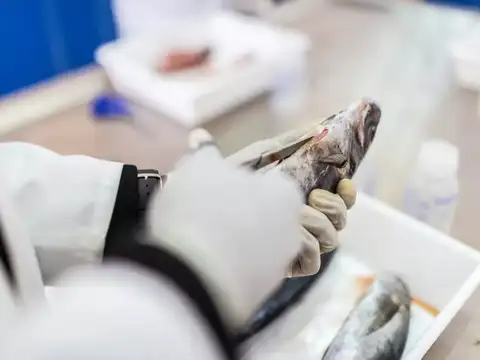
Researchers have found some candidate genes that could help fish tolerate warmer and saltier water have been identified, potentially providing a vital resource to guide breeding programmes in freshwater aquaculture. The study's findings were just published in 'Genomics.'
2/5
Nile tilapia
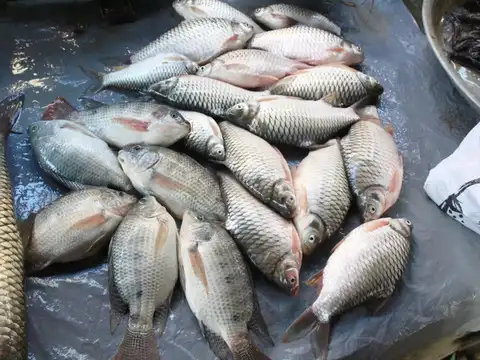
The Nile tilapia, Oreochromis niloticus, is a popular freshwater aquaculture species that provide essential nutrients and protein. Their aquaculture popularity has skyrocketed, largely due to their adaptability to various water conditions and production systems.

3/5
Global warming affects water quality and availability
As global warming reduces water quality and availability, these findings can be used to breed more resilient fish and protect a vital food source for millions of people. Fish farms - and the people who rely on them for food - urgently need strains that can still thrive despite the higher salinity and increased water temperature.
Amazon Top Deals
POWERED BY

Crompton Ozone 75 Litres Desert Air Cooler for home | Large & Easy Clean Ice Chamber | 4-Way Air Deflection | High Density Honeycomb Pads | Everlast Pump | Auto Fill| 3 Year Brand Warranty
₹9,798Buy Now43%
OFF

atomberg Studio Smart+ 1200mm BLDC Ceiling Fan with IoT & Remote | BEE 5 star Rated Energy Efficient Ceiling Fan | High Air Delivery with LED Indicators | 3 Year Warranty (Earth Brown)
₹5,903Buy Now36%
OFF

LG 32 L Convection Microwave Oven (MC3286BRUM, Black, 360° Motorised Rotisserie for Bar-be-queing, 301 Auto Cook Menu, Stainless steel cavity, Indian Cuisine, Tandoor Se, Steam Clean & Diet Fry)
₹19,340Buy Now19%
OFF

4/5
Tolerant to changing water conditions
To address this issue, researchers at the Earlham Institute, the University of East Anglia, and the University of Stirling have explored the tilapia genome to locate advantageous changes responsible for increased tolerance to changing water conditions. They then identified genetic differences at gene regulatory regions in the Nile tilapia and 27 other tilapia species.

5/5
Genome sequencing
The team optimised a genome sequencing approach that reveals the activity of potential transcription factor binding sites and genetic switches for turning expression on and off. Their approach identified regions of the genome they believe are responsible for controlling the activity of certain osmoregulatory genes, which in turn influence the function of the gills and how the fish responds to changing water conditions.