Mangalyaan mission to enter 15-day blackout phase tomorrow
MOM during this period will go into an "autonomous mode" and will take its decisions.
By PTI | Updated:

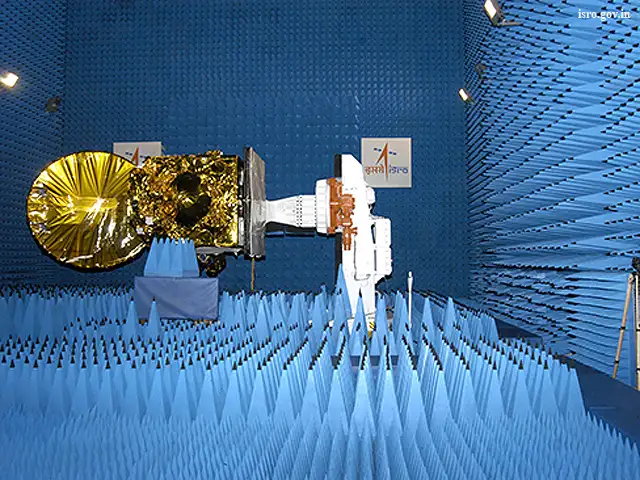
BENGALURU: Starting tomorrow, the country's low-cost Mars mission that is in a rendezvous with the red planet for an extended period will enter the "blackout" phase snapping communication with the satellite.
From June 8 to 22, the sun will block Mars from the earth snapping communication with the satellite.
MOM during this period will go into an "autonomous mode" and will take its decisions, a senior Indian Space Research Organisation official told PTI.
"This will be for the first time that there will be a communication break for such a long period of about 15 days. During this period, there will not be any communication with the satellite," he said.
Expressing confidence about regaining control over the satellite once the blackout phase is over, he said, "the scenario has been tested for earlier; line of communication will be established."
The spacecraft's life was extended for another six months in March due to surplus fuel.
Stating that the spacecraft has been "configured" for the blackout, the ISRO official said, "we are not sending any commands to the spacecraft now, till 8th (June) few hours of signals will be sent by the spacecraft-that will be for about two to three hours per day."
In May next year, the mission will have to go through a similar phase once again, if there is another extension of mission life when the Earth will come between the Sun and Mars.
Scripting space history, India on September 24 last successfully placed its low-cost Mars spacecraft in orbit around the red planet in its very first attempt, breaking into an elite club of three countries.
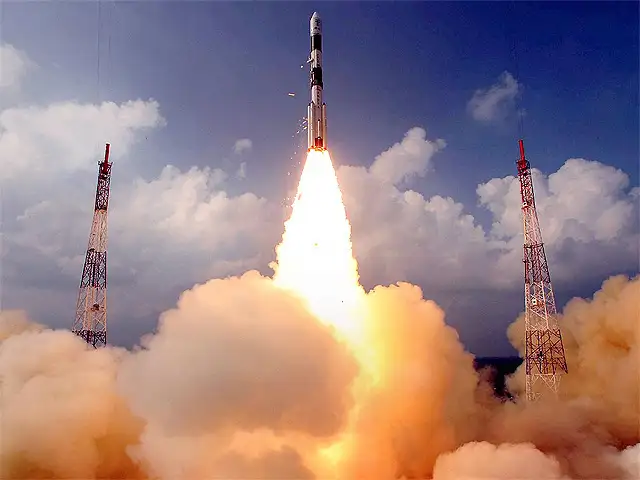
The ISRO spacecraft was launched on its nine-month-long odyssey on a homegrown PSLV rocket from Sriharikota in Andhra Pradesh on November 5, 2013 and had escaped the earth's gravitational field on December 1, 2013.
From June 8 to 22, the sun will block Mars from the earth snapping communication with the satellite.
MOM during this period will go into an "autonomous mode" and will take its decisions, a senior Indian Space Research Organisation official told PTI.
"This will be for the first time that there will be a communication break for such a long period of about 15 days. During this period, there will not be any communication with the satellite," he said.
Expressing confidence about regaining control over the satellite once the blackout phase is over, he said, "the scenario has been tested for earlier; line of communication will be established."
The spacecraft's life was extended for another six months in March due to surplus fuel.
ADVERTISEMENT
Stating that the spacecraft has been "configured" for the blackout, the ISRO official said, "we are not sending any commands to the spacecraft now, till 8th (June) few hours of signals will be sent by the spacecraft-that will be for about two to three hours per day."
In May next year, the mission will have to go through a similar phase once again, if there is another extension of mission life when the Earth will come between the Sun and Mars.
Scripting space history, India on September 24 last successfully placed its low-cost Mars spacecraft in orbit around the red planet in its very first attempt, breaking into an elite club of three countries.
The ISRO spacecraft was launched on its nine-month-long odyssey on a homegrown PSLV rocket from Sriharikota in Andhra Pradesh on November 5, 2013 and had escaped the earth's gravitational field on December 1, 2013.
Download
The Economic Times Business News App for the Latest News in Business, Sensex, Stock Market Updates & More.
The Economic Times Business News App for the Latest News in Business, Sensex, Stock Market Updates & More.
Download
The Economic Times News App for Quarterly Results, Latest News in ITR, Business, Share Market, Live Sensex News & More.
The Economic Times News App for Quarterly Results, Latest News in ITR, Business, Share Market, Live Sensex News & More.
Related Articles
 Mars Orbiter craft non-recoverable, Mangalyaan mission over, confirms ISRO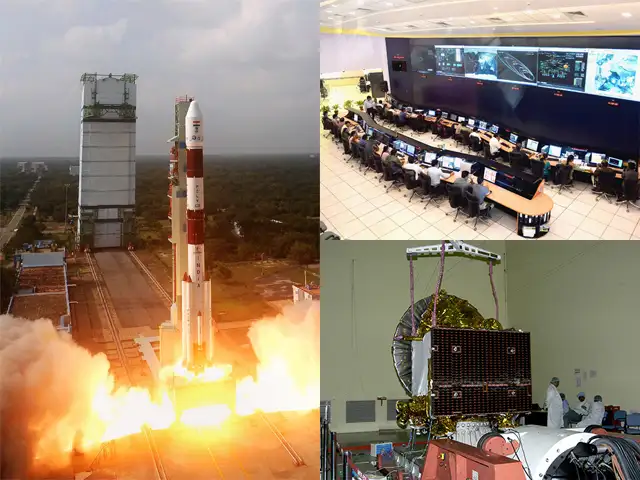
Agencies
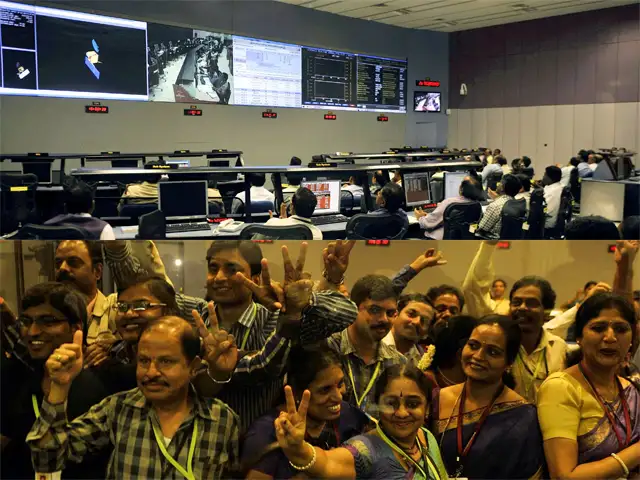
It's not every day that the nation witnesses historic moments! With ISRO's Mars Orbiter Mission (MOM) successfully entering the red planet's orbit, India has become the first country in the world to have achieved this feat in its maiden attempt.
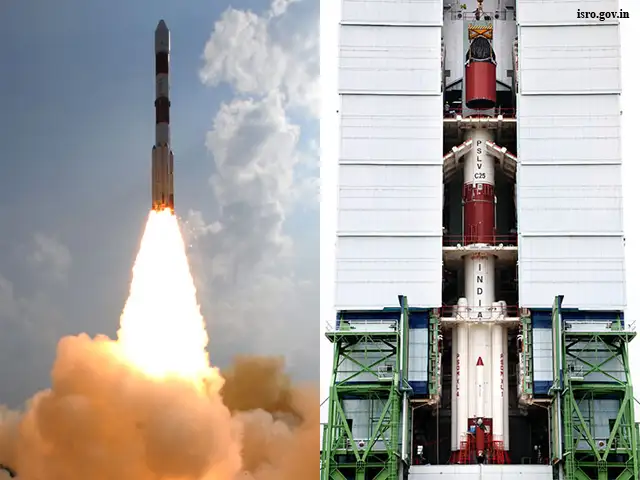
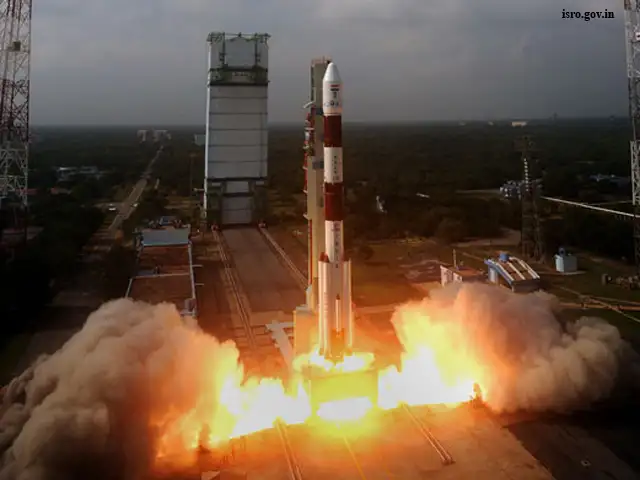
Through its journey since November 5, 2013 when PSLV-C25 lifted off from Sriharikota with the spacecraft in its nosecone, MOM has had a perfect journey.
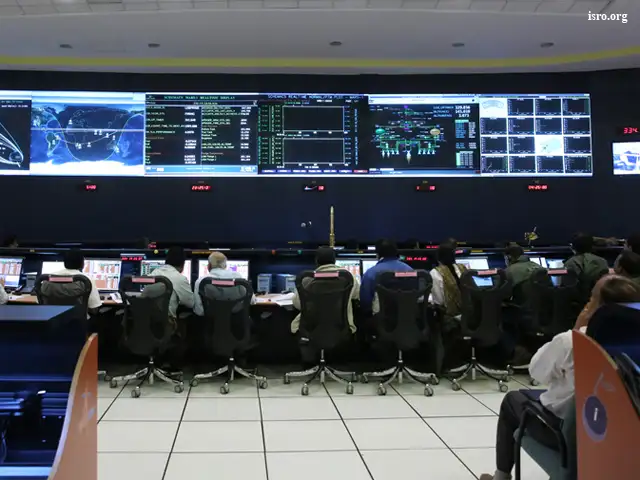
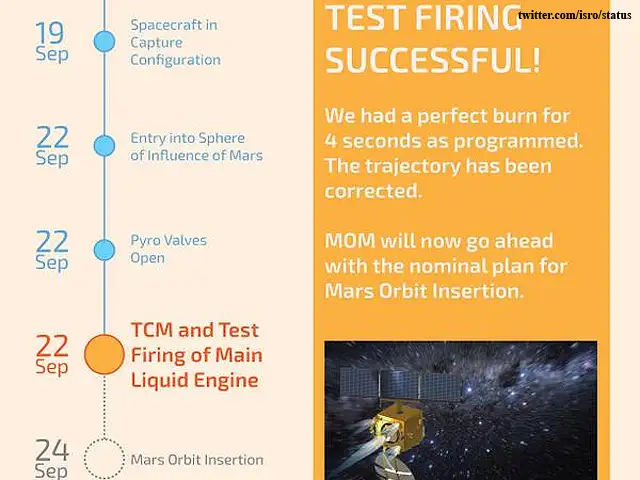
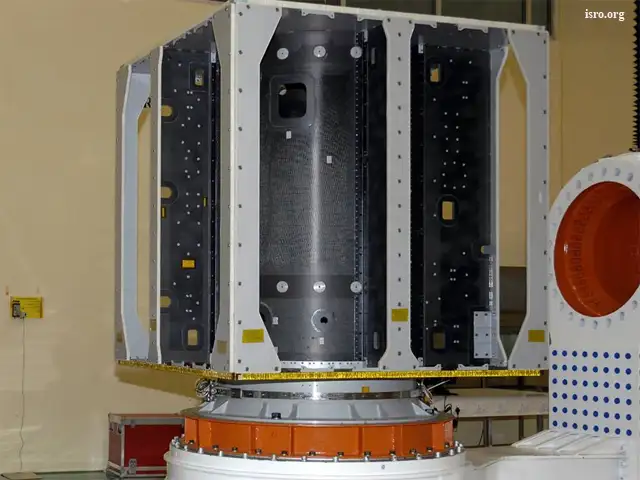
Nail-biting minutes marked the run-up to success and the MOM's journey was marked with several crucial heart-stopping moments. We take a look at some important details of the mission:
It's not every day that the nation witnesses historic moments! With ISRO's Mars Orbiter Mission (MOM) successfully entering the red planet's orbit, India has become the first country in the world to have achieved this feat in its maiden attempt.
Through its journey since November 5, 2013 when PSLV-C25 lifted off from Sriharikota with the spacecraft in its nosecone, MOM has had a perfect journey.
Nail-biting minutes marked the run-up to success and the MOM's journey was marked with several crucial heart-stopping moments. We take a look at some important details of the mission:


ADVERTISEMENT


