ISRO working with NASA to make maiden launch in 2021
India and US have set a target of 2021 to put their collaborative earth observation satellite NISAR in orbit, ISRO Chairman A S Kiran Kumar said.
By PTI |

SRIHARIKOTA (AP): India and US have set a target of 2021 to put their collaborative earth observation satellite NISAR in orbit, ISRO Chairman A S Kiran Kumar said today.
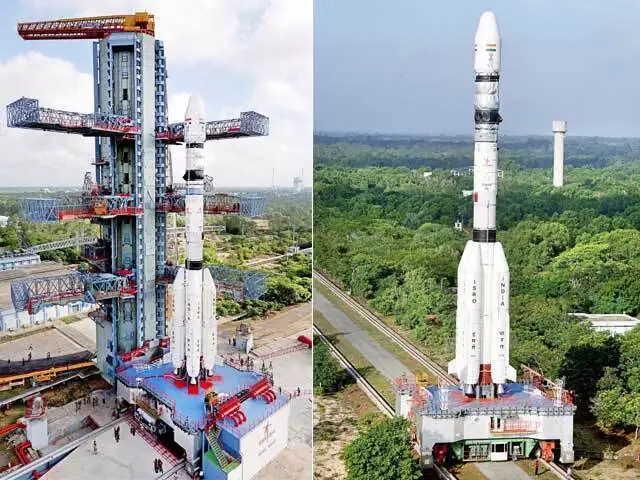
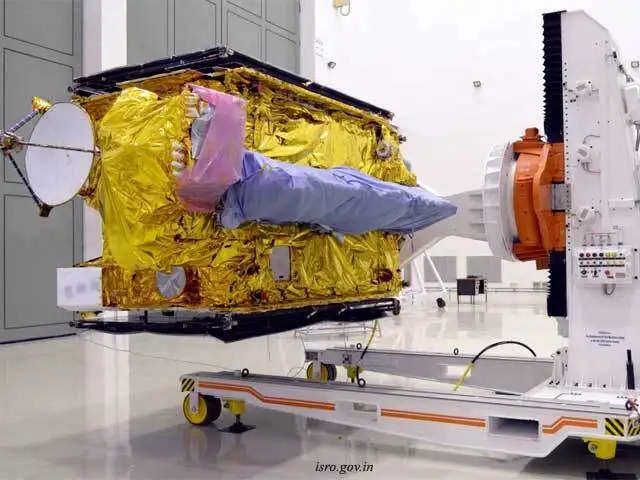
Indian Space Research Organisation (ISRO) was working with National Aeronautics and Space Administration (NASA) of the US to undertake the launch of NISAR by 2021, he told reporters here after the successful launch of GSAT-6 onboard GSLV-D6.
"One of the GSLV Mark II will carry NASA's satellite NISAR in 2021. There is a very good chance of commercial requirement. Currently we are working on it," he said.
NISAR Mission (NASA-ISRO Synthetic Aperture Radar (SAR) Mission) will be a dedicated mission to optimally measure intrinsic changes of the Earth's surface associated with motions of the crust and ice surfaces.
NASA has been studying concepts for a Synthetic Aperture Radar (SAR) mission to determine Earth change in three disciplines - ecosystems, solid earth and cryospheric sciences.
In the course of these studies, a partnership with ISRO developed that led to a joint mission with L-band and S-band SAR systems on board.
ISRO has identified a range of applications of particular relevance to India that the mission will address, including monitoring of agricultural biomass over India, snow and glacier studies in the Himalayas, Indian coastal and near- shore ocean studies, and disaster monitoring and assessment.
Elaborating about ISRO's future plans, Kumar said, it was working on enhancing capacity of the space agency by utilising both GSLV and PSLV vehicles for its future missions.
After the successful launch of the first GSLV in January 2014, Kumar said there has been enough demand for both PSLV and GSLV. "GSLV puts satellites in Geostationary orbit. Whereas PSLV is different. But there is huge market even for GSLV. After today's launch we are confident of making successful launches in GSLV," he said.
He said the ISRO was working on reducing the time frame for its launches.
According to GSLV-D6/GSAT-6, Mission Director R Umamaheswaran the launch of GSLV-D6 was one of the "shortest campaign" undertaken by ISRO.
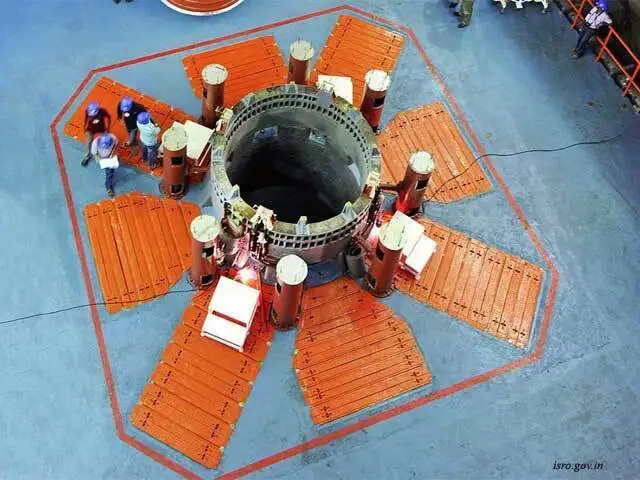
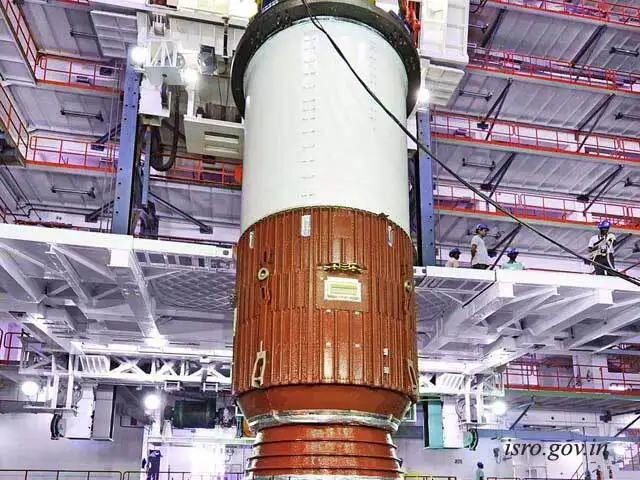
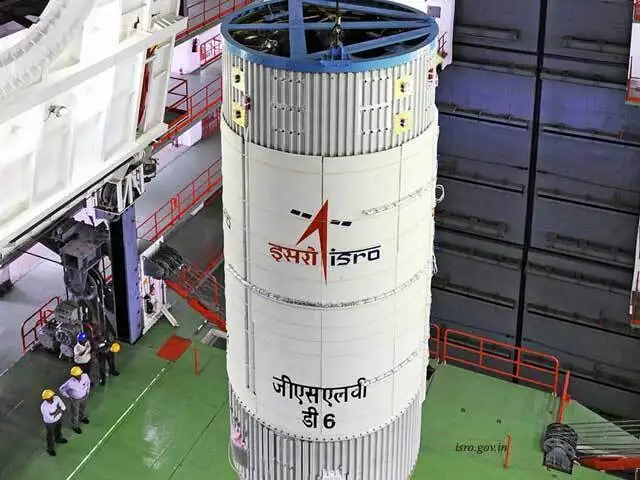
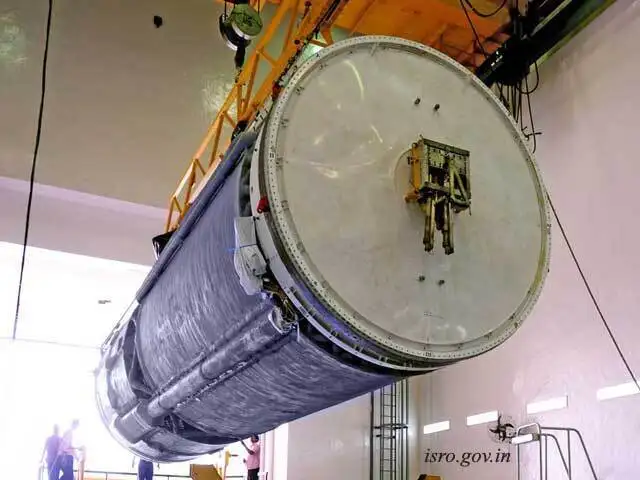
"The preparations for this launch commenced on April 8. This is one of the shortest launch campaigns as of GSLV is concerned and today is 100th day of the campaign. Here the cryogenic stage is assembled in Mahendragiri. With this we are able to reduced duration of the campaigns," he said.
Kiran Kumar said, "We made a successful launch of GSLV last year... Today's was the second.
"We do understand the intricacies of such things. But we should do it day after day. PSLV and GSLV are two different categories. There is enough demand for both globally. We have to make successful launches in GSLV as only numbers will demonstrate."
"We need more capacity. We need to make sure that more and more satellites are put. Our intention is to reduce the time normally taken for making launches. We are continuously looking in improving it," he said.
Asked about the future launches to be undertaken by ISRO, he said the next launch ASTROSAT is expected by end of September on board PSLV.
"We are now targeting ASTROSAT which has got a number of science payloads. This is a unique satellite because it has got many observations on a common platform. we are targeting to launch it in last week of September," he said.
"We are also planning to launch three IRNSS satellites by December 2015, February 2016 and March 2016," he said.
On status of moon mission Chandrayaan-II, Kumar said ISRO was targeting to launch it by end of 2017 or early 2018.
"Currently work is in progress. We have got couple of tests coming up in the next few months," he said.
To a query about the launch of satellites made in the US, Kumar said four satellites would be launched with ASTROSAT.
"US satellites will be launched with ASTROSAT. Actually, four of them (satellites). It will go next month," he said.
Indian Space Research Organisation (ISRO) was working with National Aeronautics and Space Administration (NASA) of the US to undertake the launch of NISAR by 2021, he told reporters here after the successful launch of GSAT-6 onboard GSLV-D6.
"One of the GSLV Mark II will carry NASA's satellite NISAR in 2021. There is a very good chance of commercial requirement. Currently we are working on it," he said.
NISAR Mission (NASA-ISRO Synthetic Aperture Radar (SAR) Mission) will be a dedicated mission to optimally measure intrinsic changes of the Earth's surface associated with motions of the crust and ice surfaces.
NASA has been studying concepts for a Synthetic Aperture Radar (SAR) mission to determine Earth change in three disciplines - ecosystems, solid earth and cryospheric sciences.
In the course of these studies, a partnership with ISRO developed that led to a joint mission with L-band and S-band SAR systems on board.
ADVERTISEMENT
ISRO has identified a range of applications of particular relevance to India that the mission will address, including monitoring of agricultural biomass over India, snow and glacier studies in the Himalayas, Indian coastal and near- shore ocean studies, and disaster monitoring and assessment.
Elaborating about ISRO's future plans, Kumar said, it was working on enhancing capacity of the space agency by utilising both GSLV and PSLV vehicles for its future missions.
After the successful launch of the first GSLV in January 2014, Kumar said there has been enough demand for both PSLV and GSLV. "GSLV puts satellites in Geostationary orbit. Whereas PSLV is different. But there is huge market even for GSLV. After today's launch we are confident of making successful launches in GSLV," he said.
He said the ISRO was working on reducing the time frame for its launches.
ADVERTISEMENT
According to GSLV-D6/GSAT-6, Mission Director R Umamaheswaran the launch of GSLV-D6 was one of the "shortest campaign" undertaken by ISRO.
"The preparations for this launch commenced on April 8. This is one of the shortest launch campaigns as of GSLV is concerned and today is 100th day of the campaign. Here the cryogenic stage is assembled in Mahendragiri. With this we are able to reduced duration of the campaigns," he said.
ADVERTISEMENT
Kiran Kumar said, "We made a successful launch of GSLV last year... Today's was the second.
"We do understand the intricacies of such things. But we should do it day after day. PSLV and GSLV are two different categories. There is enough demand for both globally. We have to make successful launches in GSLV as only numbers will demonstrate."
"We need more capacity. We need to make sure that more and more satellites are put. Our intention is to reduce the time normally taken for making launches. We are continuously looking in improving it," he said.
Asked about the future launches to be undertaken by ISRO, he said the next launch ASTROSAT is expected by end of September on board PSLV.
"We are now targeting ASTROSAT which has got a number of science payloads. This is a unique satellite because it has got many observations on a common platform. we are targeting to launch it in last week of September," he said.
"We are also planning to launch three IRNSS satellites by December 2015, February 2016 and March 2016," he said.
On status of moon mission Chandrayaan-II, Kumar said ISRO was targeting to launch it by end of 2017 or early 2018.
"Currently work is in progress. We have got couple of tests coming up in the next few months," he said.
To a query about the launch of satellites made in the US, Kumar said four satellites would be launched with ASTROSAT.
"US satellites will be launched with ASTROSAT. Actually, four of them (satellites). It will go next month," he said.
Download
The Economic Times Business News App for the Latest News in Business, Sensex, Stock Market Updates & More.
The Economic Times Business News App for the Latest News in Business, Sensex, Stock Market Updates & More.
Download
The Economic Times News App for Quarterly Results, Latest News in ITR, Business, Share Market, Live Sensex News & More.
The Economic Times News App for Quarterly Results, Latest News in ITR, Business, Share Market, Live Sensex News & More.
Text: PTI
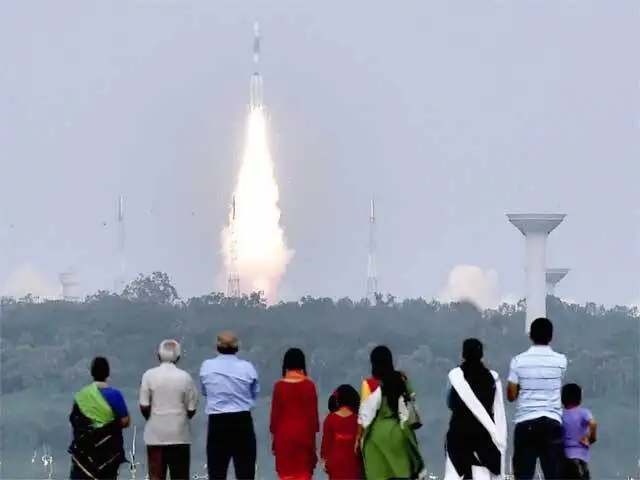
India successfully launched its latest communication satellite GSAT-6.
In pic: Geo-synchronous Satellite Launch Vehicle (GSLV) D6 carrying GSAT-6, lifts off from Satish Dhawan Space Centre in Sriharikota, Andhra Pradesh.
Here are 6 things to know about the launch.
India successfully launched its latest communication satellite GSAT-6.
In pic: Geo-synchronous Satellite Launch Vehicle (GSLV) D6 carrying GSAT-6, lifts off from Satish Dhawan Space Centre in Sriharikota, Andhra Pradesh.
Here are 6 things to know about the launch.

ADVERTISEMENT


