ISRO sets date for maiden sun voyage Aditya-L1 for Sept 2
The spacecraft that will be designed for the solar mission will help to receive remote observations of the solar corona and in situ observations of the solar wind at L1 (Sun-Earth Lagrangian point), which is about 1.5 million kilometers from the E...
By ET Online | Updated:
Aditya-L1: After Chandrayaan 3, ISRO sets Sept. 2 launch date for India’s first Sun Mission
A week after successful lunar landing with Chandrayaan-3, ISRO has set its date with the sun - the Aditya-L1 solar mission will be launched on September 2 at 11:50 am from Sriharikota in Andhra Pradesh.
In a post on X, ISRO also shared the registration link for viewers.
Aditya-L1 which will help in studying the sun and is planned to be placed in a halo orbit around the L1 of the Sun-Earth system.
The major science objectives of the Aditya-L1 mission are:
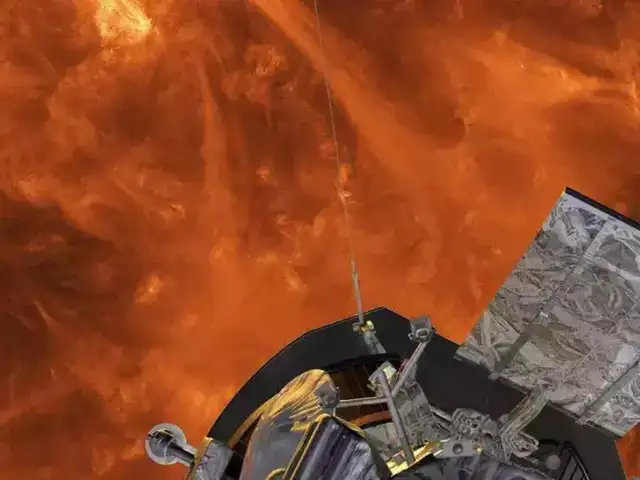
The spacecraft that will be designed for the solar mission will help to receive remote observations of the solar corona and in situ observations of the solar wind at L1 (Sun-Earth Lagrangian point), which is about 1.5 million kilometers from the Earth.
Institutes that are a part of the mission are the Indian Institute of Astrophysics (IIA) and the Inter-University Centre for Astronomy and Astrophysics, Pune.
IIA will help in the development of the 'Visible Emission Line Coronagraph payload' while the Pune-based institution will develop the Solar Ultraviolet Imager payload for the mission.
"The suits of Aditya L1 payloads are expected to provide crucial information to understand the problem of coronal heating, coronal mass ejection, pre-flare and flare activities and their characteristics, dynamics of space weather, propagation of particle and fields etc," ISRO said.
"This will provide a greater advantage of observing the solar activities and its effect on space weather in real time," it said.
ISRO chief S Somanath congratulated the people of the country on the success of the Chandrayaan-3 mission and said, "India is on the moon.'
In a post on X, ISRO also shared the registration link for viewers.
Aditya-L1 which will help in studying the sun and is planned to be placed in a halo orbit around the L1 of the Sun-Earth system.
The major science objectives of the Aditya-L1 mission are:
- Study of Solar upper atmospheric (chromosphere and corona) dynamics
- Study of chromospheric and coronal heating, physics of the partially ionised plasma, initiation of the coronal mass ejections, and flares
- Observe the in-situ particle and plasma environment providing data for the study of particle dynamics from the Sun

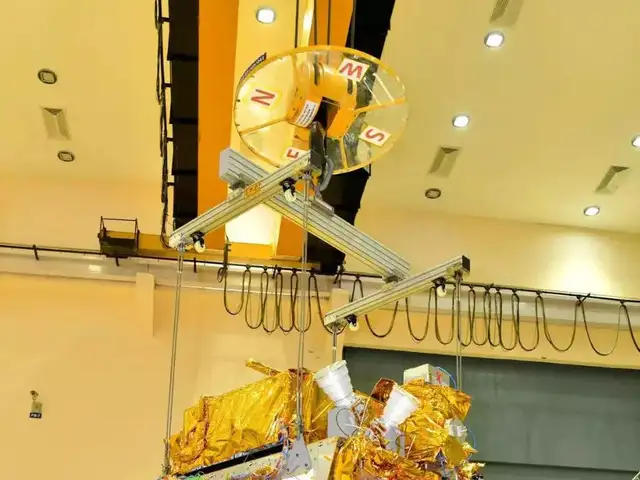
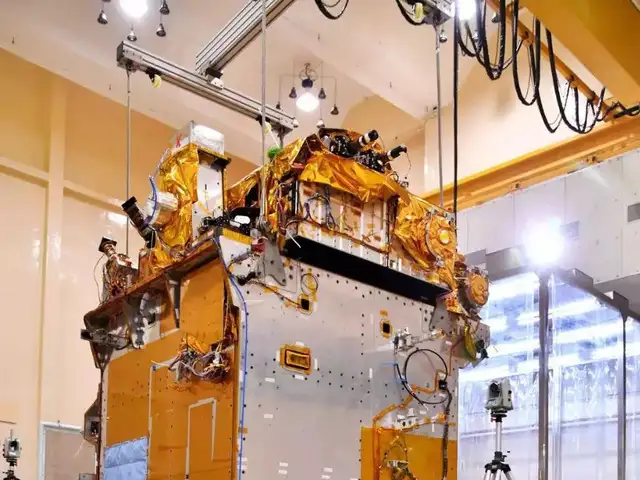
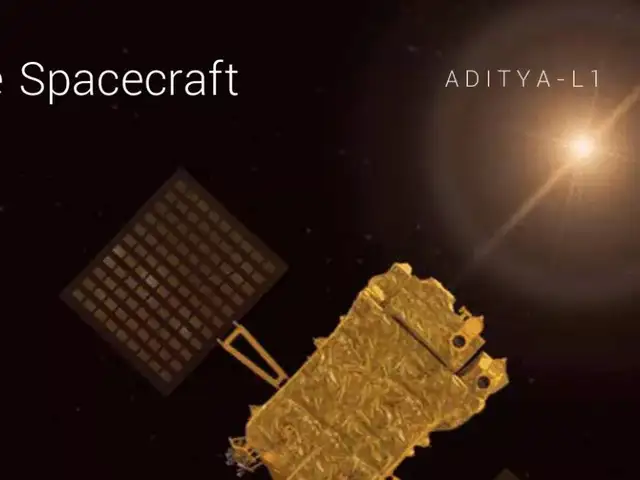
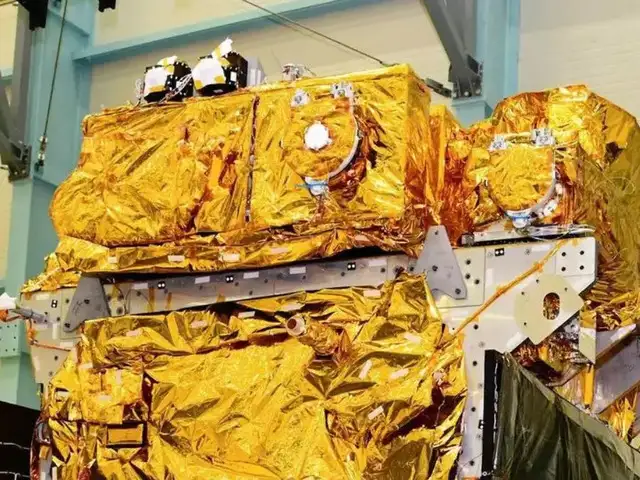
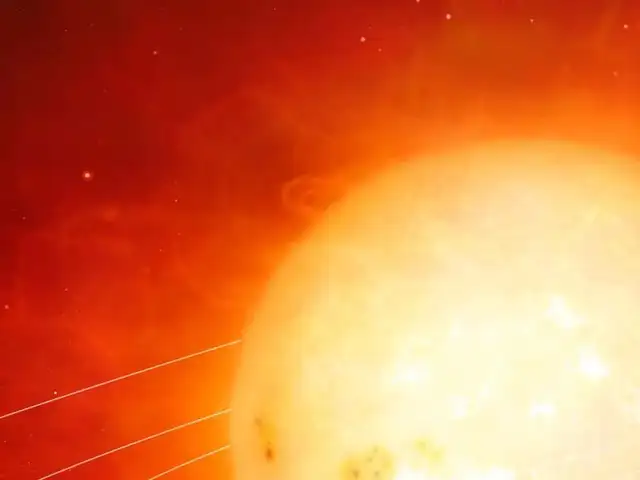
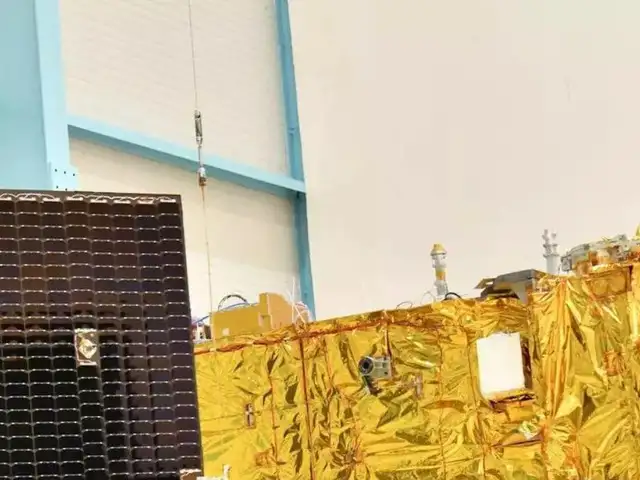
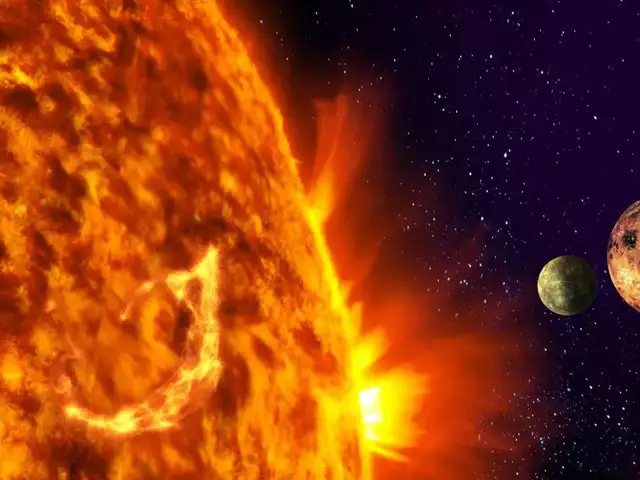

The spacecraft that will be designed for the solar mission will help to receive remote observations of the solar corona and in situ observations of the solar wind at L1 (Sun-Earth Lagrangian point), which is about 1.5 million kilometers from the Earth.
ADVERTISEMENT
India's national space agency's solar mission will be a fully indigenous effort with the participation of national institutions, an ISRO official said.Institutes that are a part of the mission are the Indian Institute of Astrophysics (IIA) and the Inter-University Centre for Astronomy and Astrophysics, Pune.
IIA will help in the development of the 'Visible Emission Line Coronagraph payload' while the Pune-based institution will develop the Solar Ultraviolet Imager payload for the mission.
"The suits of Aditya L1 payloads are expected to provide crucial information to understand the problem of coronal heating, coronal mass ejection, pre-flare and flare activities and their characteristics, dynamics of space weather, propagation of particle and fields etc," ISRO said.
ADVERTISEMENT
Aditya-L1 can provide observations on the corona, and on the solar Chromosphere using the UV payload and on the flares using the X-ray payloads. The particle detectors and the magnetometer payload can provide information on charged particles and the magnetic field reaching the halo orbit around L1."This will provide a greater advantage of observing the solar activities and its effect on space weather in real time," it said.
ADVERTISEMENT
Earlier, India created history on the evening of August 23 when Chandrayaan-3 successfully landed on the south pole of the moon. With this landing, India joined the elite club and became only the fourth nation to touch the lunar surface - after the USA, Russia, and China.ISRO chief S Somanath congratulated the people of the country on the success of the Chandrayaan-3 mission and said, "India is on the moon.'
In Video:
Aditya-L1: After Chandrayaan 3, ISRO sets Sept. 2 launch date for India’s first Sun Mission
Download
The Economic Times Business News App for the Latest News in Business, Sensex, Stock Market Updates & More.
The Economic Times Business News App for the Latest News in Business, Sensex, Stock Market Updates & More.
Download
The Economic Times News App for Quarterly Results, Latest News in ITR, Business, Share Market, Live Sensex News & More.
The Economic Times News App for Quarterly Results, Latest News in ITR, Business, Share Market, Live Sensex News & More.
Related Articles
 ISRO invites proposals from Indian researchers to study XPoSat Mission data2026-06-22T14:00:48Z
- Missed JEE Advanced by 2 marks, now ISRO scientist: Meerut youth who studied on YouTube without costly coaching will help power India’s space programme2026-06-21T03:41:33Z
- In 1981, when ISRO carried its APPLE on bullock cart for just Rs 150, the world laughed; Today, the same story is hailed as a masterstroke of innovation2026-06-19T04:42:15Z
ADVERTISEMENT


