Isro to launch its first US satellite, for startup Skybox
Google reportedly has big plans to enter the space industry, and is planning a constellation of 180 satellites in low earth orbit.
By ET Bureau | Updated:

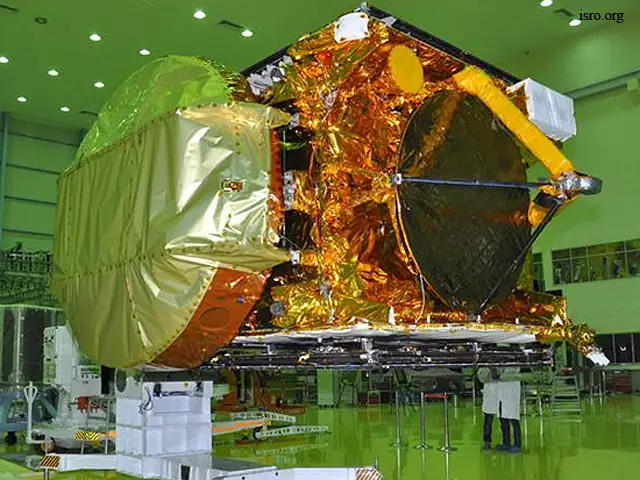
BENGALURU: The Indian Space Research Organisation (Isro) will launch its first American satellite later this year or early next year. This is from the company Skybox Imaging, which was bought by Google after it signed the contract with Isro. Skybox is planning to launch a series of satellites from other places for highresolution imaging.
Google reportedly has big plans to enter the space industry, and is planning a constellation of 180 satellites in low earth orbit, which will provide Internet access throughout the world. According to earlier reports, the cost of this constellation will be somewhere between $1 billion and $3 billion. Isro signed the deal with Skybox in April 2014.
Skybox Imaging is a startup company from Stanford University. It was set up to bring a new per spective on the world, by providing high-quality images of any spot without being more than a few hours old at any time. It achieves this through satellites that are cheap to make although short to last. It has launched two satellites already and will launch 22 more in the future.
These images are supposed to provide information about events that are rapidly chang ing. Skybox achieves this through its data analytics plat form, which can go through imag es and spot chang es quickly. Its near-real-time images through out the day will be useful for many companies in many industries.
It will help in di It will help in disaster monitoring as well.
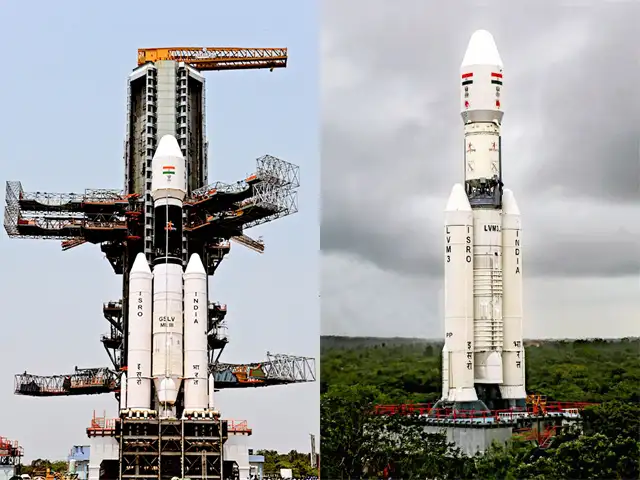
For Isro, this 110-kg satellite would be a small passenger riding on the back of a larger domestic satellite, which influences the orbital parameters of the passenger as well. Isro has limited spare capacity for launches till its GSLV variants are ready.
Google reportedly has big plans to enter the space industry, and is planning a constellation of 180 satellites in low earth orbit, which will provide Internet access throughout the world. According to earlier reports, the cost of this constellation will be somewhere between $1 billion and $3 billion. Isro signed the deal with Skybox in April 2014.
Skybox Imaging is a startup company from Stanford University. It was set up to bring a new per spective on the world, by providing high-quality images of any spot without being more than a few hours old at any time. It achieves this through satellites that are cheap to make although short to last. It has launched two satellites already and will launch 22 more in the future.
These images are supposed to provide information about events that are rapidly chang ing. Skybox achieves this through its data analytics plat form, which can go through imag es and spot chang es quickly. Its near-real-time images through out the day will be useful for many companies in many industries.
It will help in di It will help in disaster monitoring as well.
For Isro, this 110-kg satellite would be a small passenger riding on the back of a larger domestic satellite, which influences the orbital parameters of the passenger as well. Isro has limited spare capacity for launches till its GSLV variants are ready.
Download
The Economic Times Business News App for the Latest News in Business, Sensex, Stock Market Updates & More.
The Economic Times Business News App for the Latest News in Business, Sensex, Stock Market Updates & More.
Download
The Economic Times News App for Quarterly Results, Latest News in ITR, Business, Share Market, Live Sensex News & More.
The Economic Times News App for Quarterly Results, Latest News in ITR, Business, Share Market, Live Sensex News & More.
Text: PTI
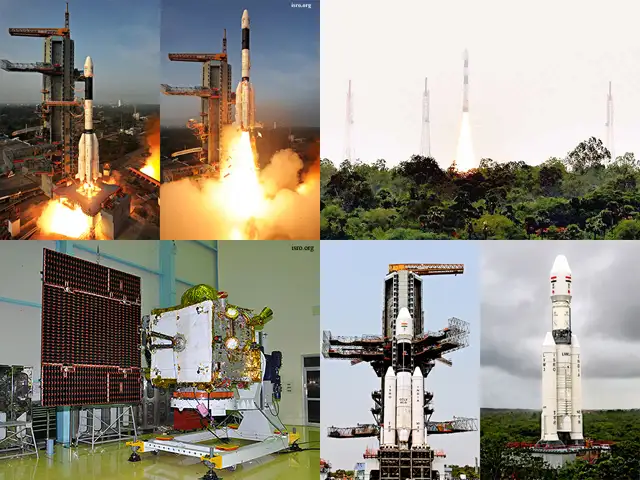
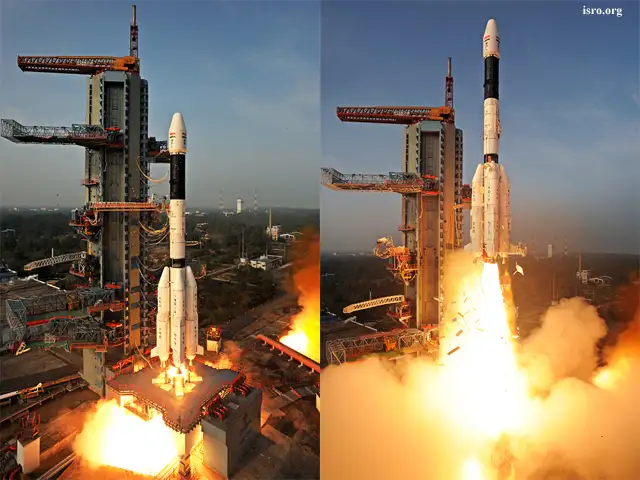
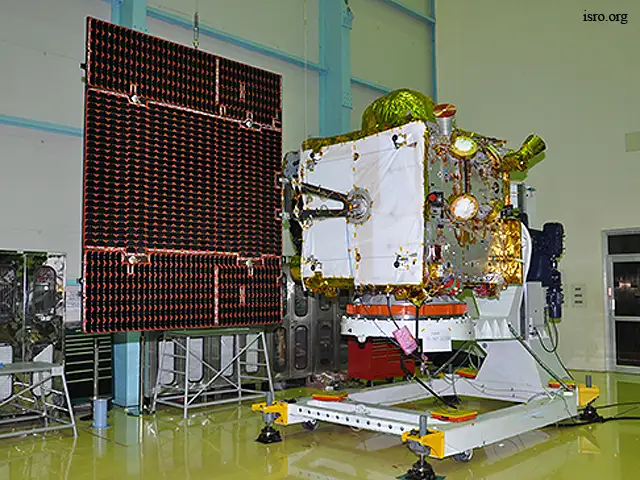
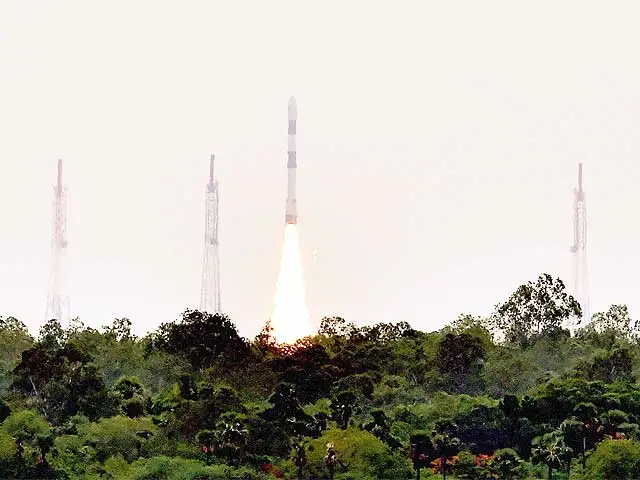
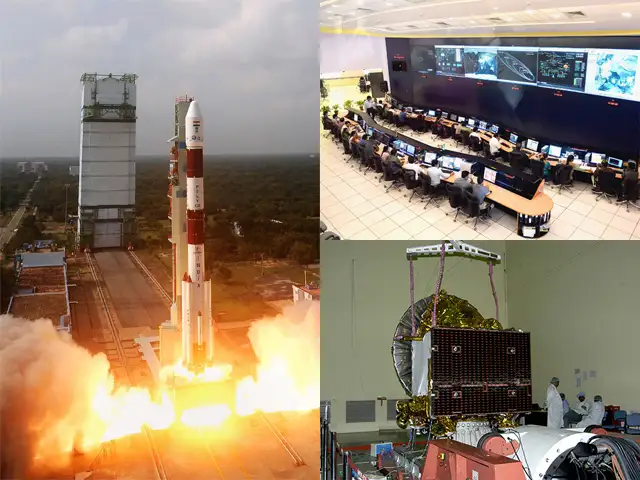
With IRSO succeeding in its first inter-planetary Mars Orbiter Mission making India the only country to achieve this feat in its maiden attempt, 2014 was not only momentous but a very busy year for the space sector.
We take a look at six special milestones that ISRO achieved:
With IRSO succeeding in its first inter-planetary Mars Orbiter Mission making India the only country to achieve this feat in its maiden attempt, 2014 was not only momentous but a very busy year for the space sector.
We take a look at six special milestones that ISRO achieved:

ADVERTISEMENT


