ISRO to launch 9 nano/micro American satellites during 2015-16
This will be the first time that ISRO will launch US satellite. These satellites will go as piggyback on PSLV's (Polar Satellite Launch Vehicle), officials said.
By PTI | Updated:

BENGALURU: Indian Space Research Organisation ( ISRO) will be launching nine nano/ micro satellites for United States during 2015-16 time frame.
This will be the first time that ISRO will launch US satellite.
"As on date, Antrix Corporation Ltd, the commercial arm of ISRO, has signed agreement to launch about nine nano/micro (US) satellites during 2015-2016 time frame," ISRO Director Public Relations Deviprasad Karnik said.
These satellites will go as piggyback on PSLV's (Polar Satellite Launch Vehicle), officials said.
So far, 45 satellites belonging to international customers from 19 countries have been launched successfully by ISRO's satellite launch vehicles.
Meanwhile Dr K Sivan, Director of Vikram Sarabhai Space Centre, Thiruvananthapuram, said that the first Reusable Launch Vehicle-Technology Demonstration (RLV-TD) would be held during the end of this year.
"The first RLV technology demonstration will be held in the end of 2015," Sivan told reporters in Thrissur.
RLV-TD is a series of technology demonstration missions that have been considered as a first step towards realising a Two Stage To Orbit (TSTO) fully re-usable vehicle.
Sivan also said that the fully indigenous developed Geo-synchronous Satellite Launch Vehicle (GSLV) D6 would be launched by end of this month, adding the cost of the 2.5 tonne vehicle would be around Rs 250 crore.
The launch of GSAT 6 is expected to give a huge impetus in the field of communication sector in the country.
This will be the first time that ISRO will launch US satellite.
"As on date, Antrix Corporation Ltd, the commercial arm of ISRO, has signed agreement to launch about nine nano/micro (US) satellites during 2015-2016 time frame," ISRO Director Public Relations Deviprasad Karnik said.
These satellites will go as piggyback on PSLV's (Polar Satellite Launch Vehicle), officials said.
So far, 45 satellites belonging to international customers from 19 countries have been launched successfully by ISRO's satellite launch vehicles.
Meanwhile Dr K Sivan, Director of Vikram Sarabhai Space Centre, Thiruvananthapuram, said that the first Reusable Launch Vehicle-Technology Demonstration (RLV-TD) would be held during the end of this year.
ADVERTISEMENT
"The first RLV technology demonstration will be held in the end of 2015," Sivan told reporters in Thrissur.
RLV-TD is a series of technology demonstration missions that have been considered as a first step towards realising a Two Stage To Orbit (TSTO) fully re-usable vehicle.
Sivan also said that the fully indigenous developed Geo-synchronous Satellite Launch Vehicle (GSLV) D6 would be launched by end of this month, adding the cost of the 2.5 tonne vehicle would be around Rs 250 crore.
The launch of GSAT 6 is expected to give a huge impetus in the field of communication sector in the country.
Download
The Economic Times Business News App for the Latest News in Business, Sensex, Stock Market Updates & More.
The Economic Times Business News App for the Latest News in Business, Sensex, Stock Market Updates & More.
Download
The Economic Times News App for Quarterly Results, Latest News in ITR, Business, Share Market, Live Sensex News & More.
The Economic Times News App for Quarterly Results, Latest News in ITR, Business, Share Market, Live Sensex News & More.
Related Articles
 Centre signs agreement with ISRO, rolls out new water research initiatives2026-06-01T08:34:36Z
- ISRO detects possible subsurface ice on moon using Chandrayaan-2 data2026-05-27T15:39:01Z
- ISRO, Roscosmos discuss delivery of semi-cryogenic engines in Moscow; draft contract under approval2026-05-02T07:48:28Z
Text: TNN
ISRO successfully launched five British commercial satellites on board PSLV-C28 from Sriharikota on July 10, in one of heaviest commercial mission ever undertaken by it.
Here's all that there is to know about the said mission in particular and satellite launches in general:
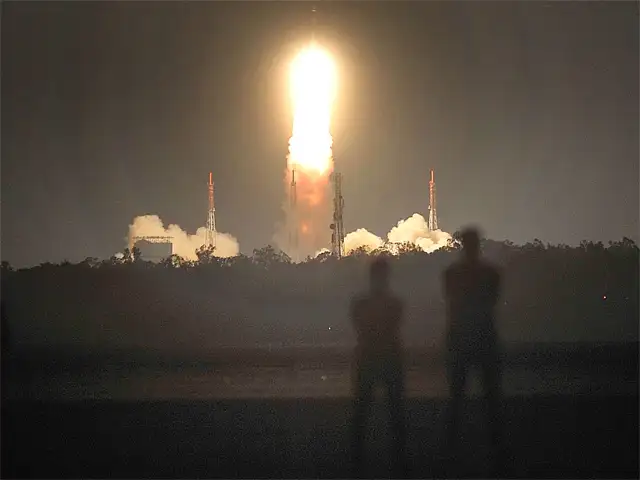
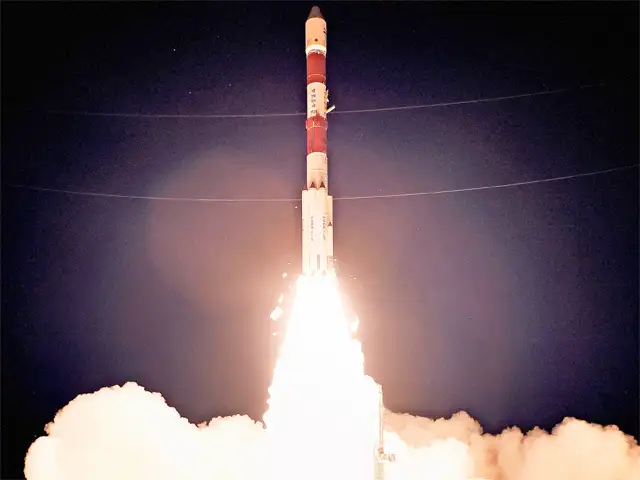
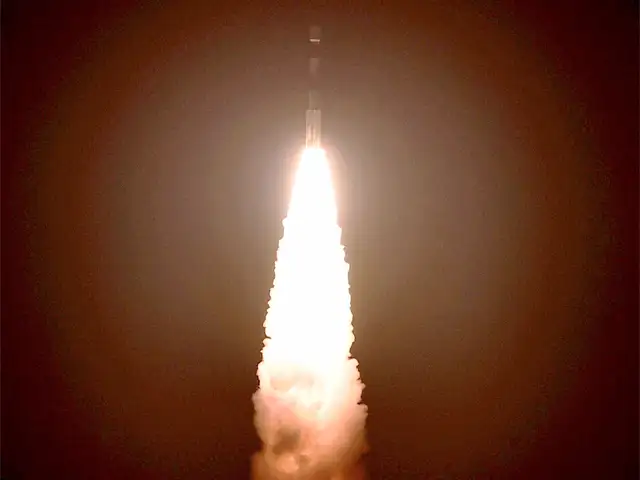
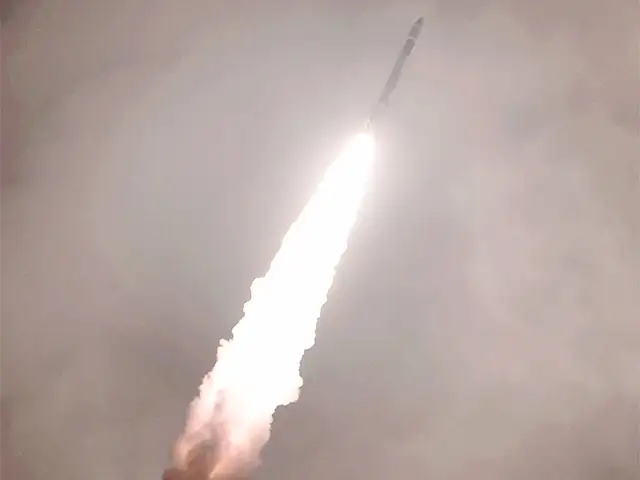
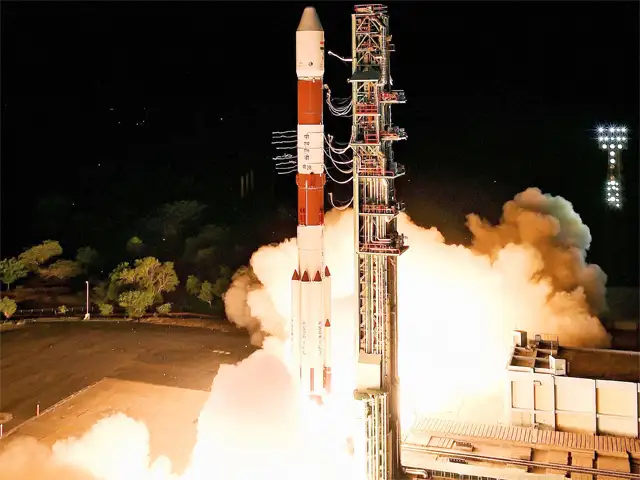
ISRO's PSLV-C28 lifts off from Satish Dhawan Space Center in Sriharikota.
ISRO successfully launched five British commercial satellites on board PSLV-C28 from Sriharikota on July 10, in one of heaviest commercial mission ever undertaken by it.
Here's all that there is to know about the said mission in particular and satellite launches in general:
ISRO's PSLV-C28 lifts off from Satish Dhawan Space Center in Sriharikota.