ISRO gears up to launch IRNSS 1D
After completing an eventful year, ISRO is gearing up for some satellite launches this year, with the IRNSS 1D being the first.
By PTI | Updated:

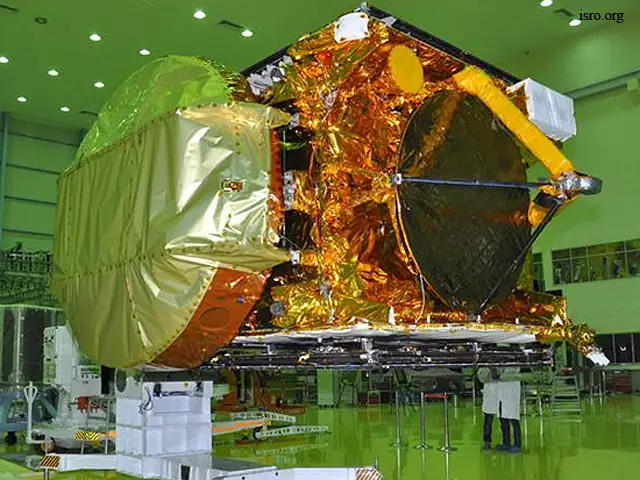
CHENNAI: After completing an eventful year, ISRO is gearing up for some satellite launches this year, with the IRNSS 1D being the first, which would put in place India's own navigation system on par with the Global Positioning System of the US.
"The launch campaign for IRNSS 1D has come, which starts on January 16. Within two months, all components from other ISRO labs have to reach Sriharikota. The launch is likely after March 15," a senior ISRO official told PTI.
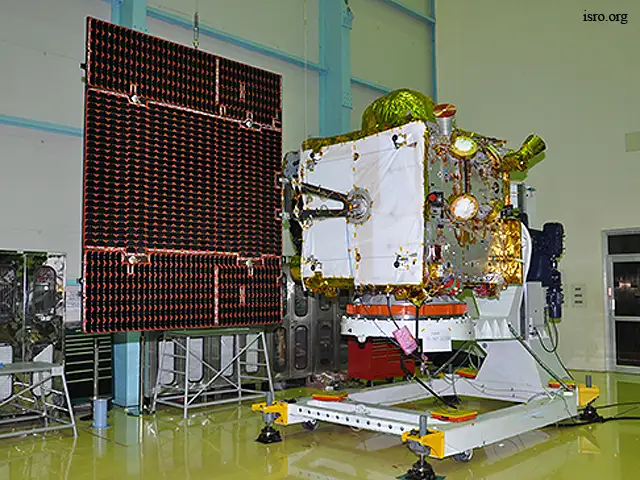
IRNSS 1D is the fourth in the series of seven satellites, the national space agency is planning to launch to put in place the Indian Regional Navigation Satellite System (IRNSS). While four satellites would be sufficient to start operations of the system, the remaining three satellites would make it more accurate and efficient.
The other launches also relate to the IRNSS series with the IRNSS1E and IRNSS1-F satellites to be launched before the year end, he said.
The first three satellites in the IRNSS series were launched from Sriharikota on July 1, 2013, April 4 and October 16 last year respectively.
The fully deployed IRNSS would consist of three and four satellites in GEO stationary and in inclined geosynchronous orbits respectively, about 36,000 km above the Earth.
The system would provide two types of services -- Standard Positioning Service, which is provided to all the users and Restricted Service, which is an encrypted service provided only to the authorised users.
The IRNSS system was targeted to be completed by this year at a total cost of Rs 1420 crore.
IRNSS is designed to provide accurate position information service to users in the country as well as the region extending up to 1,500 km from its boundary, which is its primary service area.
A select group of countries have their own navigation systems --Russia's Global Orbiting Navigation Satellite System (GLONASS), United States' Global Positioning System (GPS), European Union's Galileo (GNSS), China's BeiDou satellite navigation system and the Quasi-Zenith Satellite System.
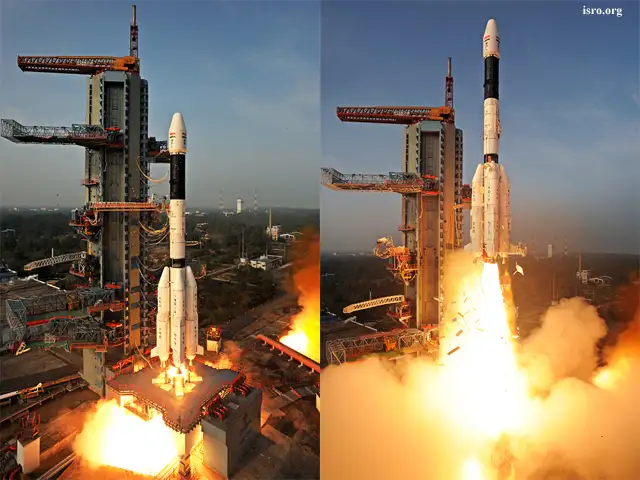
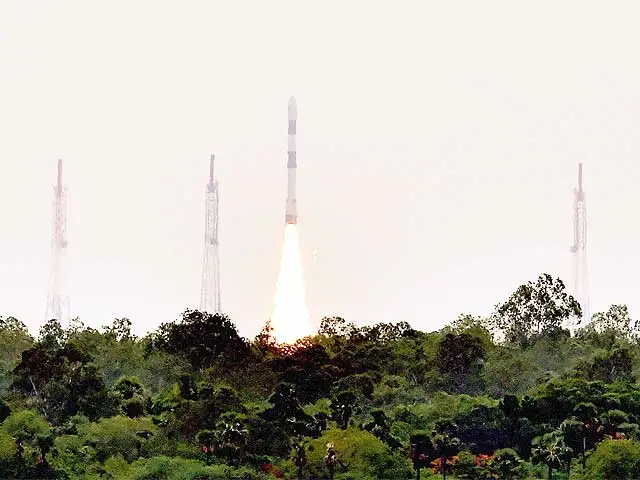
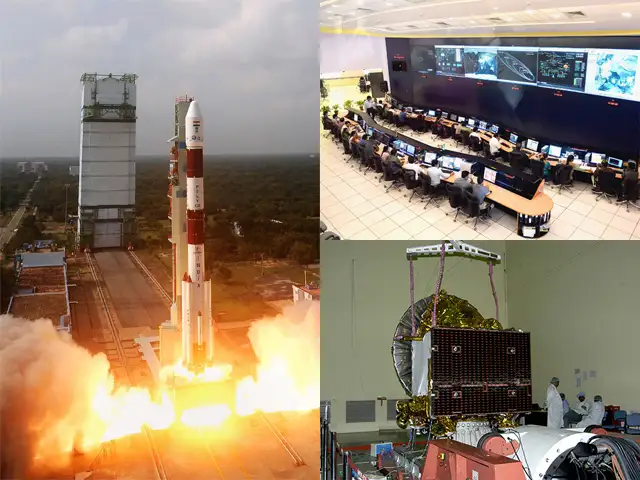
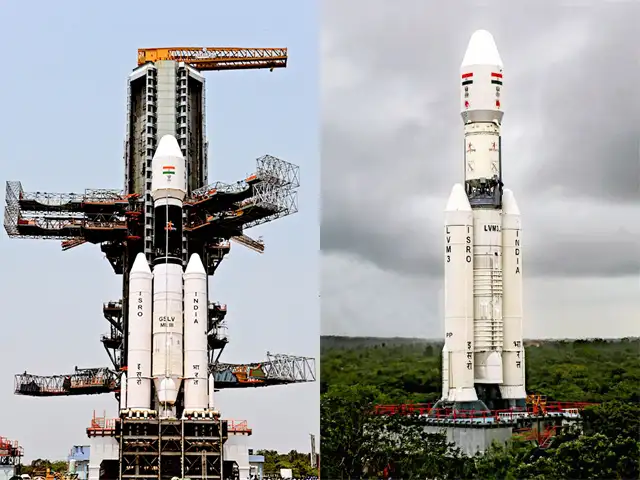
ISRO not only launched a GLSV rocket, a GSLV Mk III, besides two PSLVs during 2014 but also successfully inserted its Mars orbiter into the Martian atmosphere and tested the re-entry of unmanned crew module from space.
"The launch campaign for IRNSS 1D has come, which starts on January 16. Within two months, all components from other ISRO labs have to reach Sriharikota. The launch is likely after March 15," a senior ISRO official told PTI.
IRNSS 1D is the fourth in the series of seven satellites, the national space agency is planning to launch to put in place the Indian Regional Navigation Satellite System (IRNSS). While four satellites would be sufficient to start operations of the system, the remaining three satellites would make it more accurate and efficient.
The other launches also relate to the IRNSS series with the IRNSS1E and IRNSS1-F satellites to be launched before the year end, he said.
The first three satellites in the IRNSS series were launched from Sriharikota on July 1, 2013, April 4 and October 16 last year respectively.
The fully deployed IRNSS would consist of three and four satellites in GEO stationary and in inclined geosynchronous orbits respectively, about 36,000 km above the Earth.
ADVERTISEMENT
The system would provide two types of services -- Standard Positioning Service, which is provided to all the users and Restricted Service, which is an encrypted service provided only to the authorised users.
The IRNSS system was targeted to be completed by this year at a total cost of Rs 1420 crore.
IRNSS is designed to provide accurate position information service to users in the country as well as the region extending up to 1,500 km from its boundary, which is its primary service area.
A select group of countries have their own navigation systems --Russia's Global Orbiting Navigation Satellite System (GLONASS), United States' Global Positioning System (GPS), European Union's Galileo (GNSS), China's BeiDou satellite navigation system and the Quasi-Zenith Satellite System.
ADVERTISEMENT
ISRO not only launched a GLSV rocket, a GSLV Mk III, besides two PSLVs during 2014 but also successfully inserted its Mars orbiter into the Martian atmosphere and tested the re-entry of unmanned crew module from space.
Download
The Economic Times Business News App for the Latest News in Business, Sensex, Stock Market Updates & More.
The Economic Times Business News App for the Latest News in Business, Sensex, Stock Market Updates & More.
Download
The Economic Times News App for Quarterly Results, Latest News in ITR, Business, Share Market, Live Sensex News & More.
The Economic Times News App for Quarterly Results, Latest News in ITR, Business, Share Market, Live Sensex News & More.
Related Articles
 Centre signs agreement with ISRO, rolls out new water research initiatives2026-06-01T08:34:36Z
- ISRO detects possible subsurface ice on moon using Chandrayaan-2 data2026-05-27T15:39:01Z
- ISRO, Roscosmos discuss delivery of semi-cryogenic engines in Moscow; draft contract under approval2026-05-02T07:48:28Z
Text: PTI
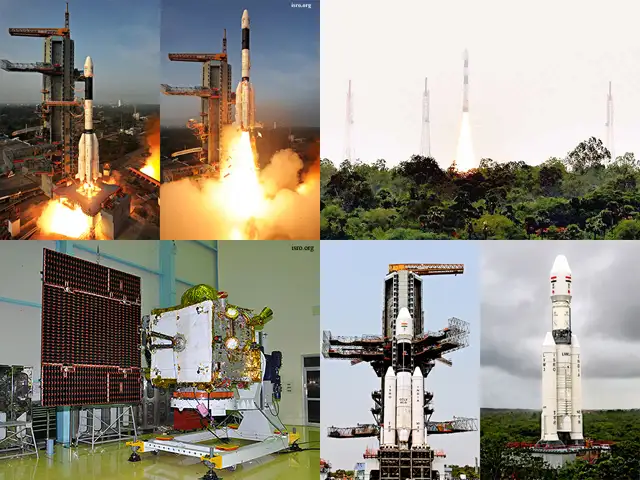
With IRSO succeeding in its first inter-planetary Mars Orbiter Mission making India the only country to achieve this feat in its maiden attempt, 2014 was not only momentous but a very busy year for the space sector.
We take a look at six special milestones that ISRO achieved:
With IRSO succeeding in its first inter-planetary Mars Orbiter Mission making India the only country to achieve this feat in its maiden attempt, 2014 was not only momentous but a very busy year for the space sector.
We take a look at six special milestones that ISRO achieved:

ADVERTISEMENT


