India's PSLV-XL rocket has close links with Moon, Mars and the Sun
Nearly 15 years after its first flight and on its 25th mission, the rocket code named PSLV-C57 is being used for another interplanetary mission - to study the Sun- by Indian Space Research Organisation (ISRO).
By IANS | Updated:

ANI
Chennai: The XL variant of India's Polar Satellite Launch Vehicle (PSLV) seems to have an interesting connection with Moon, Mars and now the Sun.
The rocket made its maiden flight on October 22, 2008 for India's first interplanetary mission - the Moon Mission-1 or Chandrayaan-1.
And on November 5, 2013, the rocket was used for India's first Mars Mission called Mars Orbiter Mission (MOM).
Watch Aditya L1 mission live updates
Nearly 15 years after its first flight and on its 25th mission, the rocket code named PSLV-C57 is being used for another interplanetary mission - to study the Sun- by Indian Space Research Organisation (ISRO).
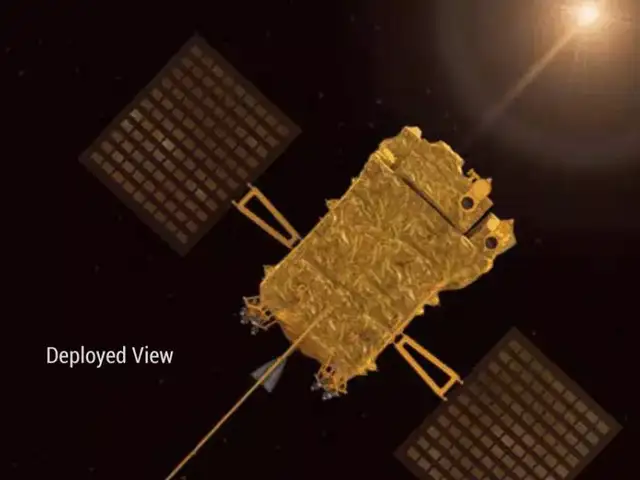
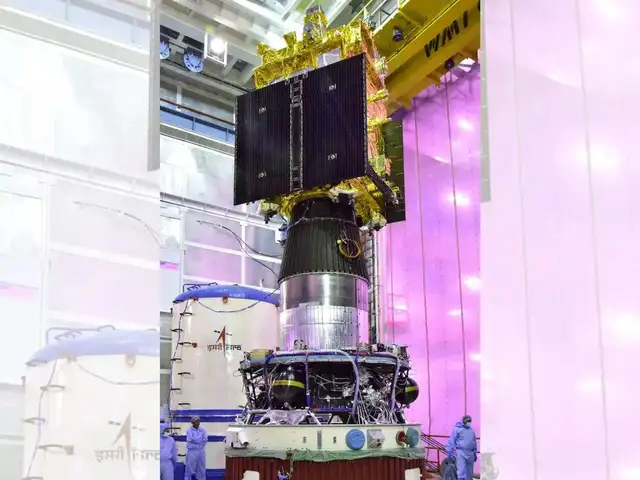
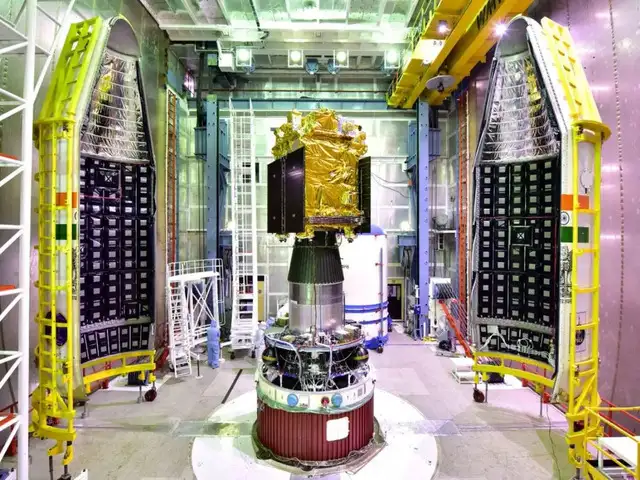
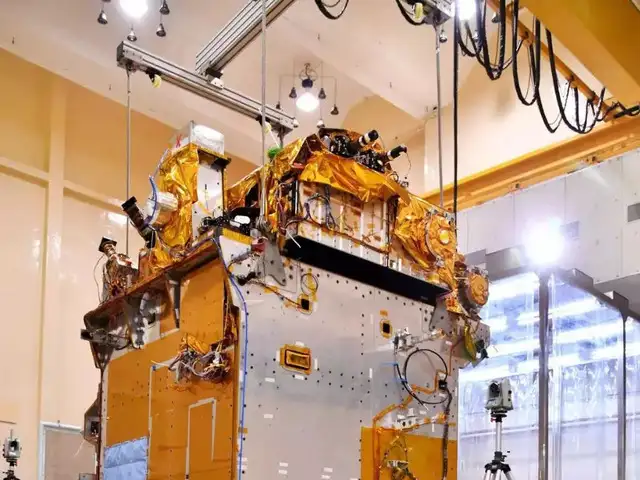
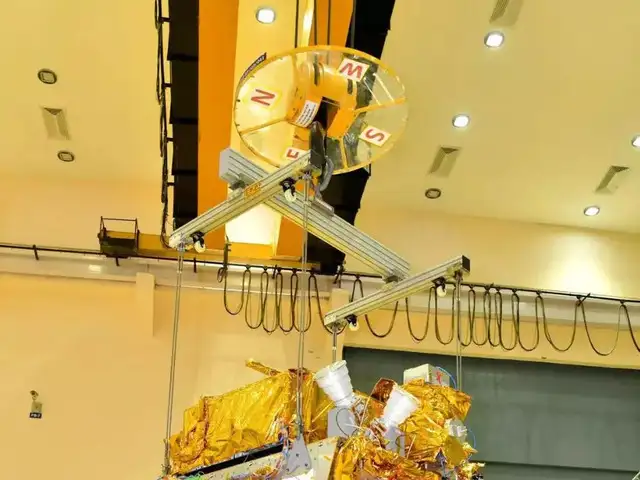
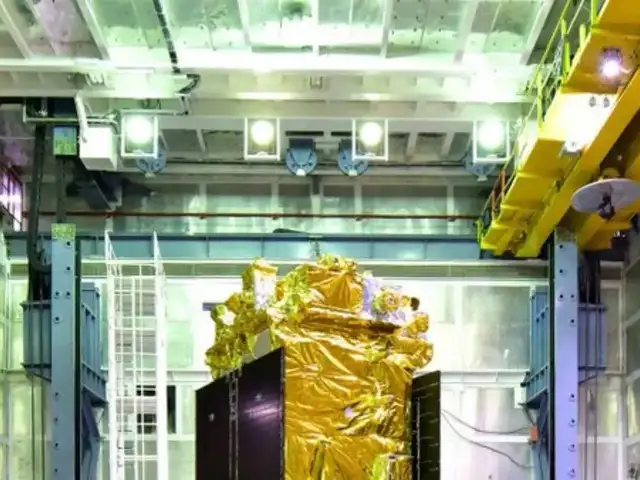
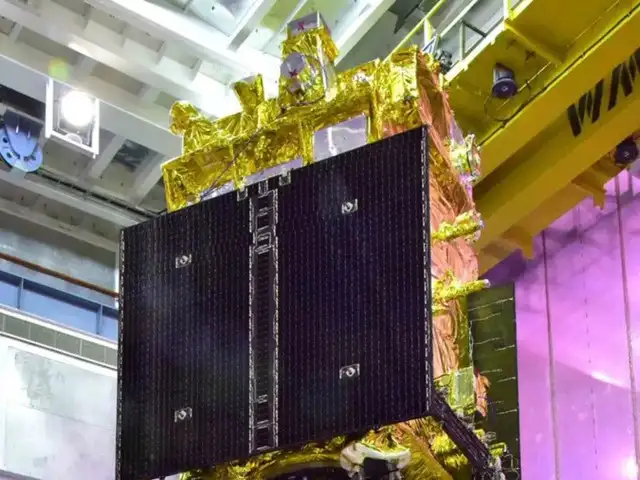
The 44.4 metre tall PSLV-C57 rocket with a lift off mass of 321 ton will carry the spacecraft Aditya-L1 -- named after the Sun God in Hindu mythology- to study the Sun.
The rocket is slated to lift off at 11.50 a.m. on Saturday.
The September 2 rocketing comes after India landed on the Moon on August 23 with its lander safely landing on the lunar soil in a text book style.
In its normal configuration, PSLV is a four stage/engine expendable rocket powered by solid and liquid fuels alternatively with six booster motors strapped on to the first stage to give higher thrust during the initial flight moments.
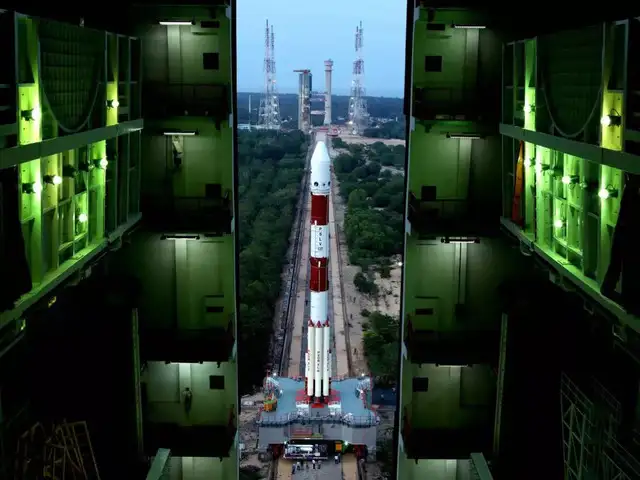
The rocket that will fly on Saturday was the XL variant - with longer strap-on motors carrying higher fuel quantity.
ISRO has five types of PSLV rockets - Standard, Core Alone, XL, DL and QL.
The major difference between them is the use of strap-on boosters which in turn largely depends on the weight of the satellites to be orbited.
The rocket made its maiden flight on October 22, 2008 for India's first interplanetary mission - the Moon Mission-1 or Chandrayaan-1.
And on November 5, 2013, the rocket was used for India's first Mars Mission called Mars Orbiter Mission (MOM).
Watch Aditya L1 mission live updates
Nearly 15 years after its first flight and on its 25th mission, the rocket code named PSLV-C57 is being used for another interplanetary mission - to study the Sun- by Indian Space Research Organisation (ISRO).
The 44.4 metre tall PSLV-C57 rocket with a lift off mass of 321 ton will carry the spacecraft Aditya-L1 -- named after the Sun God in Hindu mythology- to study the Sun.
ADVERTISEMENT
The rocket is slated to lift off at 11.50 a.m. on Saturday.
The September 2 rocketing comes after India landed on the Moon on August 23 with its lander safely landing on the lunar soil in a text book style.
In its normal configuration, PSLV is a four stage/engine expendable rocket powered by solid and liquid fuels alternatively with six booster motors strapped on to the first stage to give higher thrust during the initial flight moments.
ADVERTISEMENT
As India's first Sun mission gets ready for launch, ISRO on August 30 said the launch rehearsal and the rocket's internal checks have been completed. The mission is scheduled to be launched on September 2 at 11.50 am from the Sriharikota spaceport. "The preparations for the launch are progressing", ISRO said in a social media post today. "The Launch Rehearsal - Vehicle Internal Checks are completed".
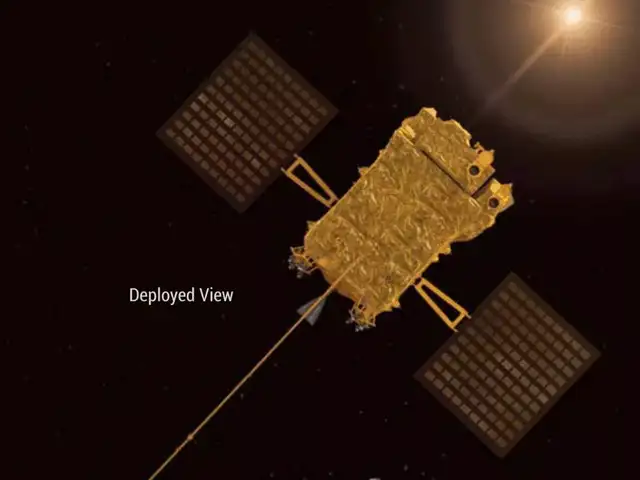
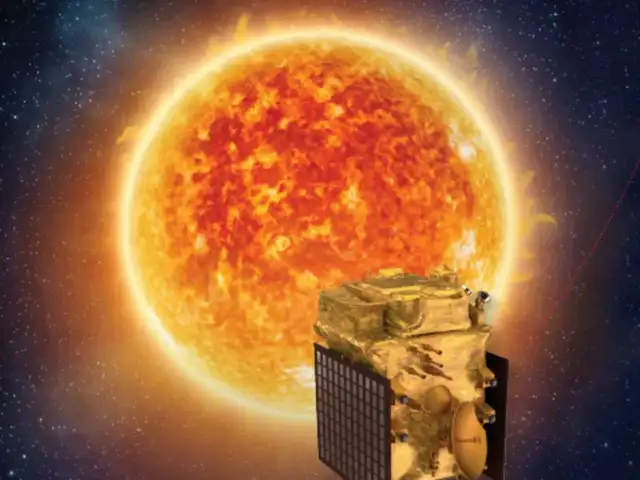

The rocket that will fly on Saturday was the XL variant - with longer strap-on motors carrying higher fuel quantity.
ADVERTISEMENT
The PSLV-XL variant was also used to launch AstroSat, India's first dedicated Space Astronomy Observatory on September 28, 2015.ISRO has five types of PSLV rockets - Standard, Core Alone, XL, DL and QL.
The major difference between them is the use of strap-on boosters which in turn largely depends on the weight of the satellites to be orbited.
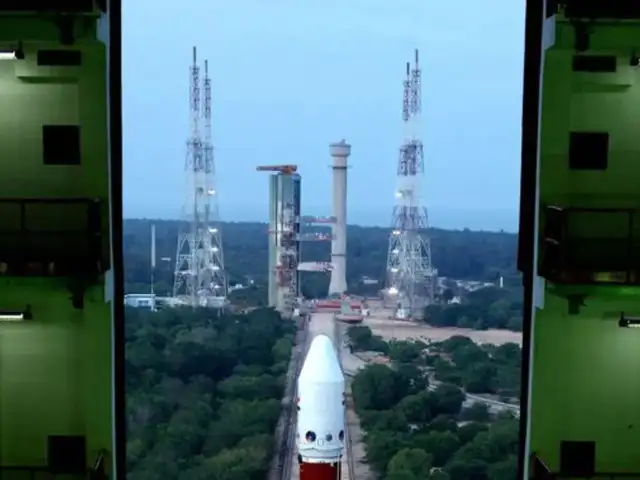

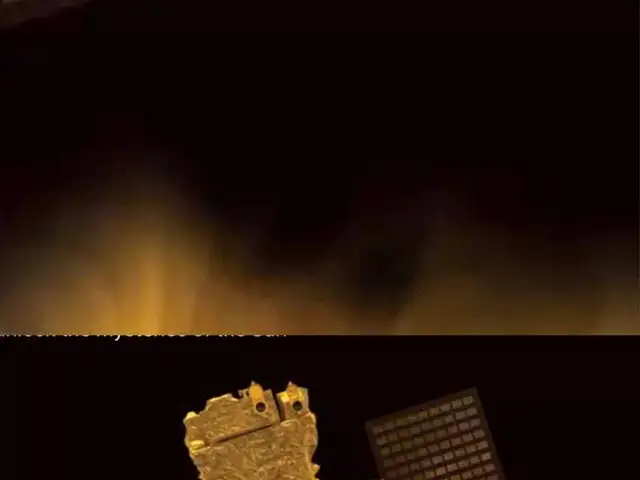
In Video:
Aditya-L1 mission: Why ISRO is sending India's First space-based observatory to study Sun, explained
Download
The Economic Times Business News App for the Latest News in Business, Sensex, Stock Market Updates & More.
The Economic Times Business News App for the Latest News in Business, Sensex, Stock Market Updates & More.
Download
The Economic Times News App for Quarterly Results, Latest News in ITR, Business, Share Market, Live Sensex News & More.
The Economic Times News App for Quarterly Results, Latest News in ITR, Business, Share Market, Live Sensex News & More.
ADVERTISEMENT


