India's fourth Navigation Satellite IRNSS-1D satellite launch deferred due to anomaly
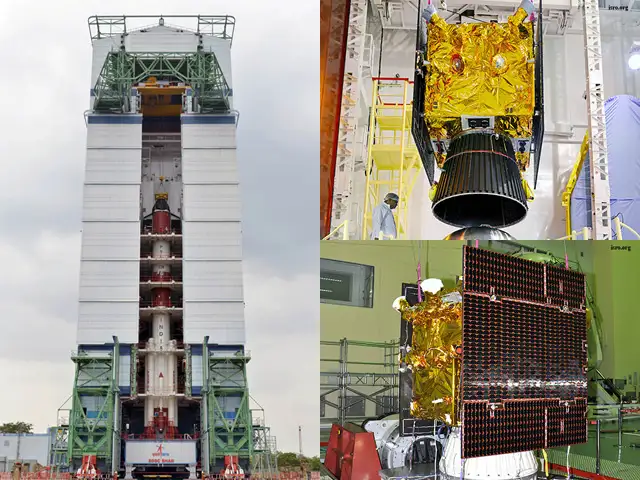
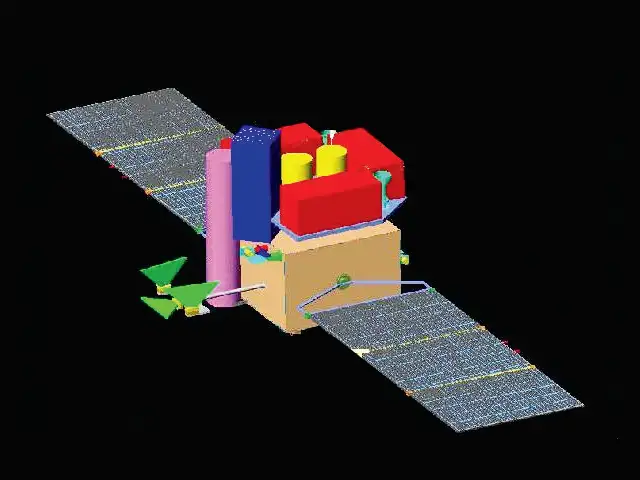
IRNSS 1D is the fourth in the series of seven satellites ISRO is planning to launch to put in place the Indian Regional Navigation Satellite System.
By PTI | Updated:

BENGALURU: The launch of India's fourth Navigation Satellite, IRNSS-1D, scheduled for March 9 from Sriharikota, has been deferred after an anomaly was found in one of the telemetry transmitters of the spacecraft, ISRO said.
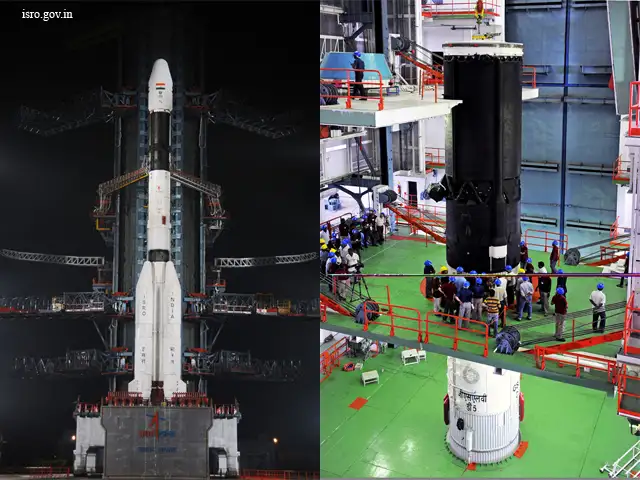
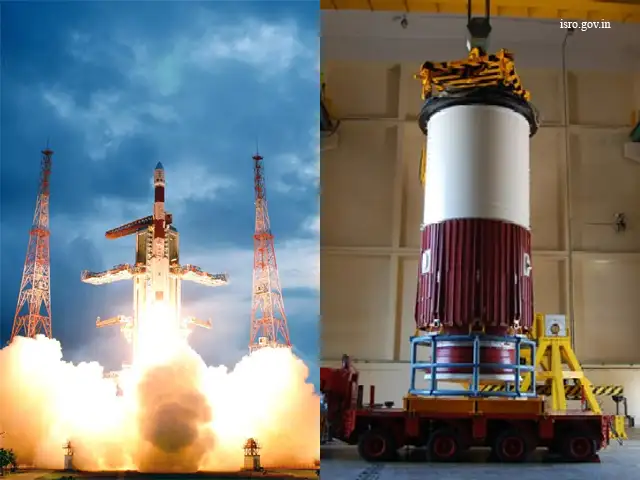
Workhorse PSLV-C27 rocket was to have launched the satellite from Satish Dhawan Space Centre at the spaceport of Sriharikota in Andhra Pradesh.
"During the integrated electrical checks of Launch Vehicle along with Satellite after the closure of heat shield on March 3, 2015, an anomaly was observed in one of the telemetry transmitters of the Satellite," ISRO said on its Facebook page.
"In order to resolve the technical anomaly through further test, simulation and analysis, the launch of PSLV-C27 with IRNSS-1D has been postponed," it added, with no new launch date being given.
The launch would put in place India's own navigation system on par with the Global Positioning System of the US.
IRNSS 1D is the fourth in the series of seven satellites ISRO is planning to launch to put in place the Indian Regional Navigation Satellite System ( IRNSS). While four satellites would be sufficient to start operations of the system, the remaining three satellites would make it more accurate and efficient.
Workhorse PSLV-C27 rocket was to have launched the satellite from Satish Dhawan Space Centre at the spaceport of Sriharikota in Andhra Pradesh.
"During the integrated electrical checks of Launch Vehicle along with Satellite after the closure of heat shield on March 3, 2015, an anomaly was observed in one of the telemetry transmitters of the Satellite," ISRO said on its Facebook page.
"In order to resolve the technical anomaly through further test, simulation and analysis, the launch of PSLV-C27 with IRNSS-1D has been postponed," it added, with no new launch date being given.
The launch would put in place India's own navigation system on par with the Global Positioning System of the US.
IRNSS 1D is the fourth in the series of seven satellites ISRO is planning to launch to put in place the Indian Regional Navigation Satellite System ( IRNSS). While four satellites would be sufficient to start operations of the system, the remaining three satellites would make it more accurate and efficient.
Download
The Economic Times Business News App for the Latest News in Business, Sensex, Stock Market Updates & More.
The Economic Times Business News App for the Latest News in Business, Sensex, Stock Market Updates & More.
Download
The Economic Times News App for Quarterly Results, Latest News in ITR, Business, Share Market, Live Sensex News & More.
The Economic Times News App for Quarterly Results, Latest News in ITR, Business, Share Market, Live Sensex News & More.
Related Articles
 PM Narendra Modi congratulates ISRO for launch of navigation satellite IRNSS-1I
Hari Pulakkat, ET Bureau
ISRO has its hands full with new projects, some of which pushing up the potential use of space technology significantly. These include new heavy launch vehicles, cryogenic and semi-cryogenic engines, a moon and a solar mission and, if there is enough government support, human space missions as well.
Plus, you have air-breathing and reusable launch vehicles. And the turnaround seems to be complete...
ISRO has its hands full with new projects, some of which pushing up the potential use of space technology significantly. These include new heavy launch vehicles, cryogenic and semi-cryogenic engines, a moon and a solar mission and, if there is enough government support, human space missions as well.
Plus, you have air-breathing and reusable launch vehicles. And the turnaround seems to be complete...

ADVERTISEMENT


