India, UAE discuss possible cooperation in space technologies
India and the UAE have discussed possible cooperation in the field of space to strengthen and diversify their existing strong bilateral relations.
Updated:

DUBAI: India and the UAE have discussed possible cooperation in the field of space and related areas to strengthen and diversify their existing strong bilateral relations.
The UAE's Emirates Institution for Advanced Science and Technology (EIAST)'s top executives led by Director General Yousuf Al Shaibani recently met Indian delegates headed by Anurag Bhushan, Consul General of India in Dubai, according to EIAST statement.
They discussed possible cooperation between EIAST and India's space agency Indian Space Research Organisation in the field of space and related areas.
"India is in the midst of a massive national development campaign and one of the areas of focus is harnessing space technology for more diversified growth. ISRO, the national space agency of India has formal cooperative agreements with more than 35 countries.
"As UAE is gearing to achieve feats in the area of space such as its planned Mars mission in 2021, we believe that cooperation between India and UAE in space field will strengthen and diversify the existing strong bilateral relations," Bhushan said.
"India has shown that there are no boundaries to what can be achieved through dedication and determination. One of our main objectives in EIAST is to share knowledge and cooperate with other organisations who share our goal of developing space technology for the overall development of the nation. We look forward to working with the ISRO on future projects," said Director General Al Shaibani.
The group was briefed on EIAST's achievements, such as the launch of DubaiSat 1 - a remote sensing Earth observation satellite and DubaiSat 2 - an electro-optical Earth observation satellite, and given a tour of the Institution, including the soon-to-be-completed satellite manufacturing facility, that will be home to the KhalifaSat project.
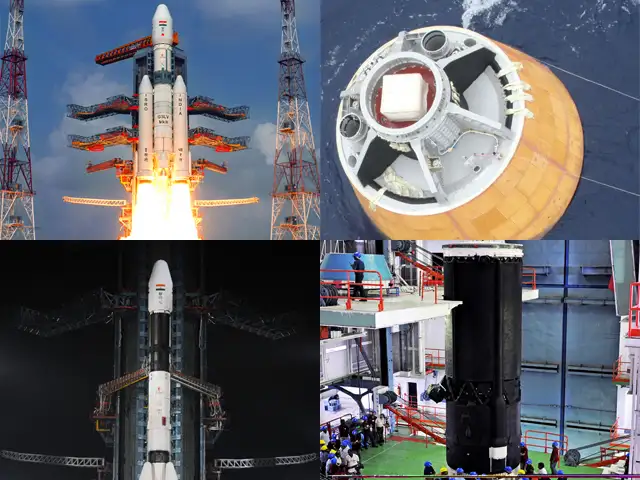
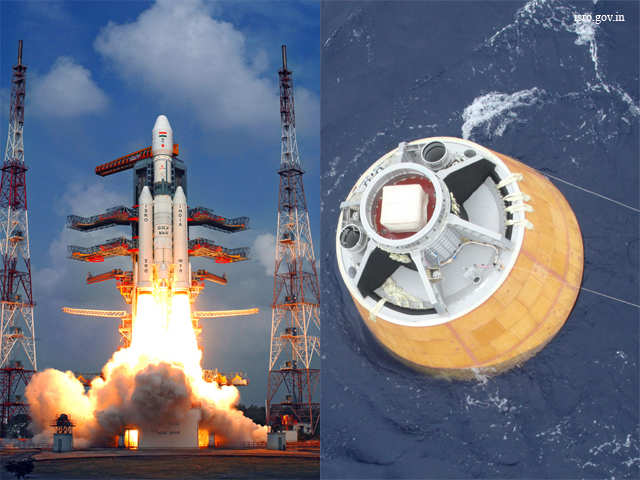
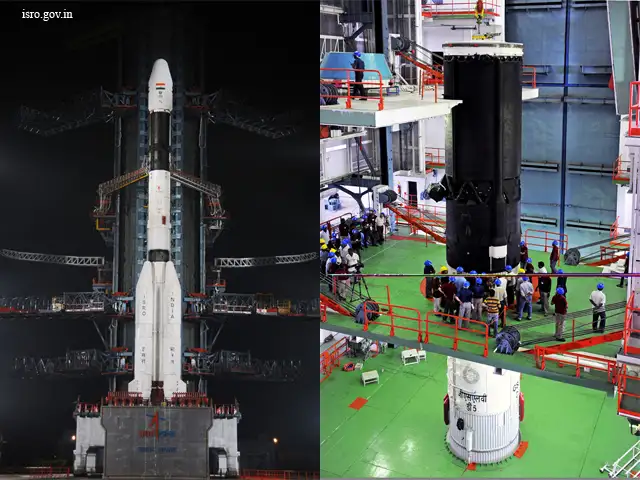
ISRO made headlines in September last year with its launch of the satellite Mangalyaan to orbit around Mars and in December, with the successful launch of the 630-tonne Geosynchronous Satellite Launch Vehicle MK-III (GSLV MK-III).
ISRO has already launched 35 satellites for other countries.
The UAE's Emirates Institution for Advanced Science and Technology (EIAST)'s top executives led by Director General Yousuf Al Shaibani recently met Indian delegates headed by Anurag Bhushan, Consul General of India in Dubai, according to EIAST statement.
They discussed possible cooperation between EIAST and India's space agency Indian Space Research Organisation in the field of space and related areas.
"India is in the midst of a massive national development campaign and one of the areas of focus is harnessing space technology for more diversified growth. ISRO, the national space agency of India has formal cooperative agreements with more than 35 countries.
"As UAE is gearing to achieve feats in the area of space such as its planned Mars mission in 2021, we believe that cooperation between India and UAE in space field will strengthen and diversify the existing strong bilateral relations," Bhushan said.
"India has shown that there are no boundaries to what can be achieved through dedication and determination. One of our main objectives in EIAST is to share knowledge and cooperate with other organisations who share our goal of developing space technology for the overall development of the nation. We look forward to working with the ISRO on future projects," said Director General Al Shaibani.
ADVERTISEMENT
The group was briefed on EIAST's achievements, such as the launch of DubaiSat 1 - a remote sensing Earth observation satellite and DubaiSat 2 - an electro-optical Earth observation satellite, and given a tour of the Institution, including the soon-to-be-completed satellite manufacturing facility, that will be home to the KhalifaSat project.
ISRO made headlines in September last year with its launch of the satellite Mangalyaan to orbit around Mars and in December, with the successful launch of the 630-tonne Geosynchronous Satellite Launch Vehicle MK-III (GSLV MK-III).
ISRO has already launched 35 satellites for other countries.
Download
The Economic Times Business News App for the Latest News in Business, Sensex, Stock Market Updates & More.
The Economic Times Business News App for the Latest News in Business, Sensex, Stock Market Updates & More.
Download
The Economic Times News App for Quarterly Results, Latest News in ITR, Business, Share Market, Live Sensex News & More.
The Economic Times News App for Quarterly Results, Latest News in ITR, Business, Share Market, Live Sensex News & More.
Hari Pulakkat, ET Bureau
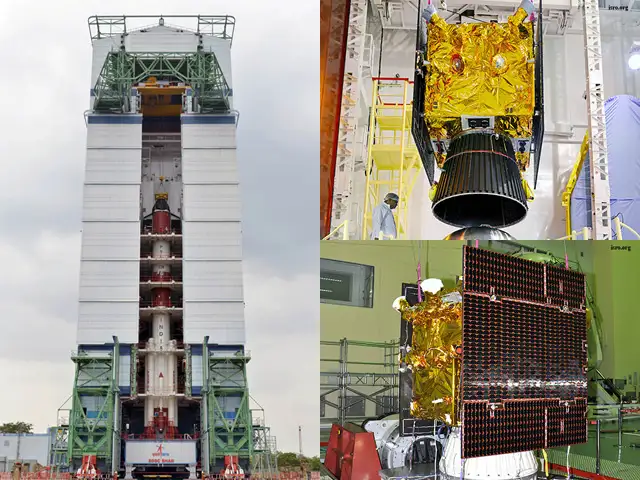
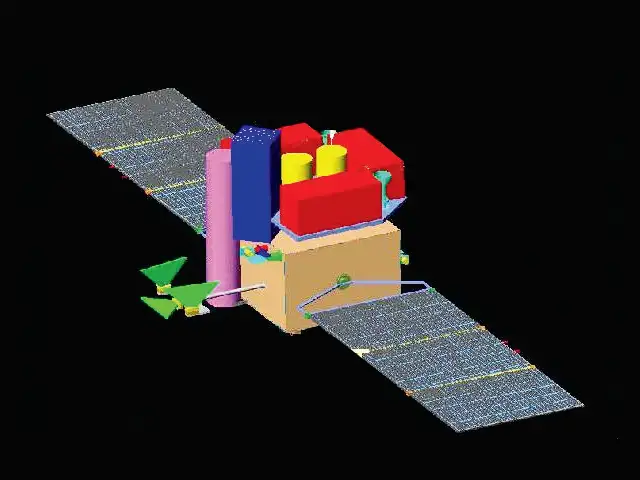
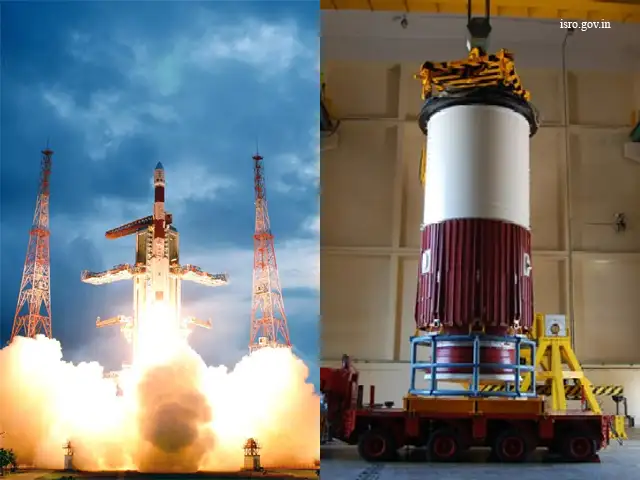
ISRO has its hands full with new projects, some of which pushing up the potential use of space technology significantly. These include new heavy launch vehicles, cryogenic and semi-cryogenic engines, a moon and a solar mission and, if there is enough government support, human space missions as well.
Plus, you have air-breathing and reusable launch vehicles. And the turnaround seems to be complete...
ISRO has its hands full with new projects, some of which pushing up the potential use of space technology significantly. These include new heavy launch vehicles, cryogenic and semi-cryogenic engines, a moon and a solar mission and, if there is enough government support, human space missions as well.
Plus, you have air-breathing and reusable launch vehicles. And the turnaround seems to be complete...

ADVERTISEMENT


