India to launch heavy satellite by December next year
India has attained the capability of putting heavy satellites in orbit and the first one is expected to be launched by December next year, government said.
By PTI | Updated:

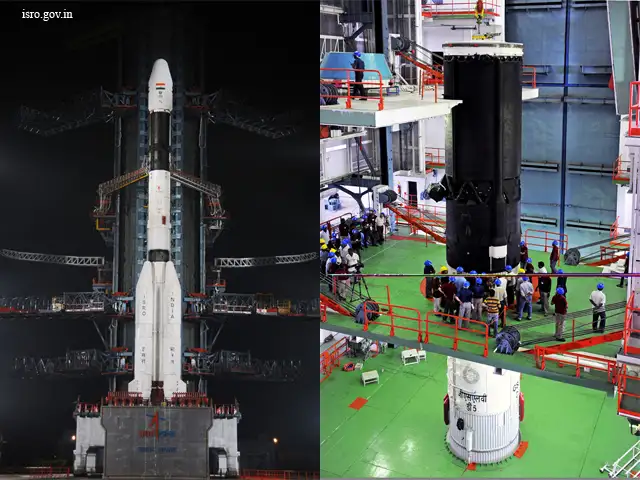
NEW DELHI: With the successful testing of indigenous cryogenic engine, India has attained the capability of putting heavy satellites in orbit and the first one is expected to be launched by December next year, government told the Lok Sabha today.
Minister of State for Space Jitendra Singh the indigenous cyrogenic engine, which uses liquid oxygen and hydrogen as fuel, was tested successfully by ISRO yesterday.
The testing of indigenous cryogenic engine will enable India to put heavy satellites weighing upto four tonnes in the geostationary orbit, he said, amid thumping of desks.
He said the first such satellite may be launched by December, 2016.
"We used to have launching pad in another country. Now it will be indigenous," he said in reply to questions.
Asserting that India was second to none in the world in space technology, Singh made a mention of the Mars Mission and said over 400 pictures had been received from it. "In a way, we have become leader."
These successes, he said, give India strategic advantage, establish its supremacy and pave way for another missions, he said.
ISRO, through space technology, was also helpful in tele-education by providing satellite connectivity, the Minister said, adding 83 such networks had been set up so far.
He said 65 government departments were in consultation with ISRO for developing applications and services to support implementation of their schemes.
Minister of State for Space Jitendra Singh the indigenous cyrogenic engine, which uses liquid oxygen and hydrogen as fuel, was tested successfully by ISRO yesterday.
The testing of indigenous cryogenic engine will enable India to put heavy satellites weighing upto four tonnes in the geostationary orbit, he said, amid thumping of desks.
He said the first such satellite may be launched by December, 2016.
"We used to have launching pad in another country. Now it will be indigenous," he said in reply to questions.
Asserting that India was second to none in the world in space technology, Singh made a mention of the Mars Mission and said over 400 pictures had been received from it. "In a way, we have become leader."
ADVERTISEMENT
These successes, he said, give India strategic advantage, establish its supremacy and pave way for another missions, he said.
ISRO, through space technology, was also helpful in tele-education by providing satellite connectivity, the Minister said, adding 83 such networks had been set up so far.
He said 65 government departments were in consultation with ISRO for developing applications and services to support implementation of their schemes.
Download
The Economic Times Business News App for the Latest News in Business, Sensex, Stock Market Updates & More.
The Economic Times Business News App for the Latest News in Business, Sensex, Stock Market Updates & More.
Download
The Economic Times News App for Quarterly Results, Latest News in ITR, Business, Share Market, Live Sensex News & More.
The Economic Times News App for Quarterly Results, Latest News in ITR, Business, Share Market, Live Sensex News & More.
Related Articles
 Ahead of SpaceX IPO, Musk says AI satellites will use mostly existing technology2026-06-09T02:37:02Z
- Russian military satellites, designed to detect nuclear explosions are jamming GPS signals across Europe; incidents go back to 2019, new study warns2026-06-08T08:04:52Z
- Hidden beneath the Sahara, satellite scans uncovered 260 circular mass graves filled with cattle and human remains of a 6,000-year-old nomadic elite2026-06-06T09:16:14Z
Hari Pulakkat, ET Bureau
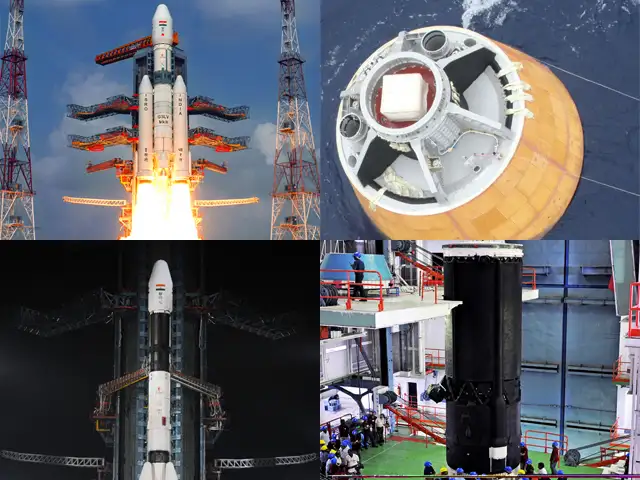
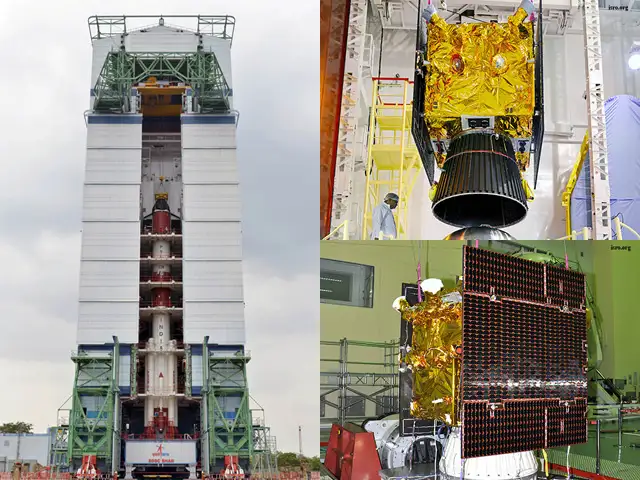
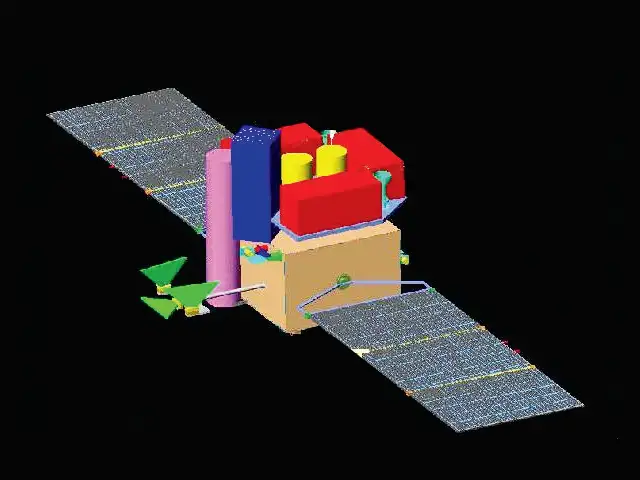
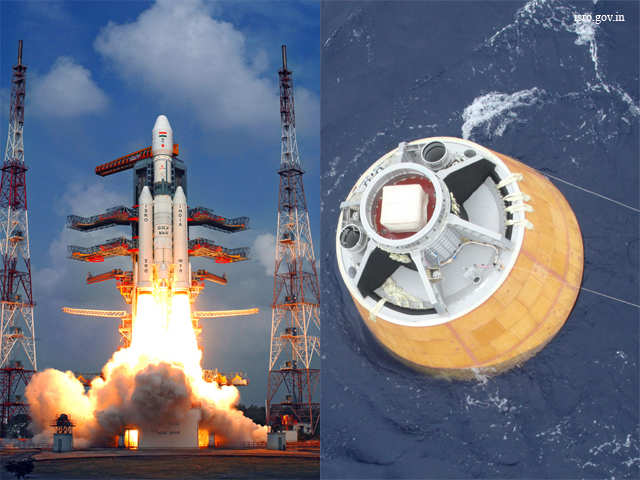
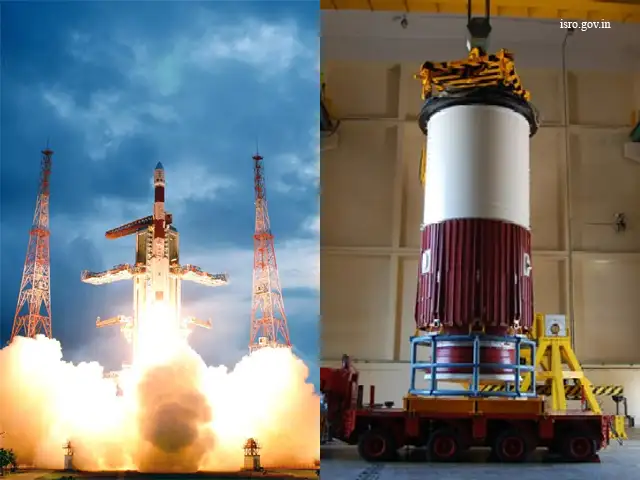
ISRO has its hands full with new projects, some of which pushing up the potential use of space technology significantly. These include new heavy launch vehicles, cryogenic and semi-cryogenic engines, a moon and a solar mission and, if there is enough government support, human space missions as well.
Plus, you have air-breathing and reusable launch vehicles. And the turnaround seems to be complete...
ISRO has its hands full with new projects, some of which pushing up the potential use of space technology significantly. These include new heavy launch vehicles, cryogenic and semi-cryogenic engines, a moon and a solar mission and, if there is enough government support, human space missions as well.
Plus, you have air-breathing and reusable launch vehicles. And the turnaround seems to be complete...

ADVERTISEMENT


