I was hooked to NASA's moon surface images for days: Chennai engineer who found lost Vikram Lander
NASA credited Shanmuga Subramanian for a tip-off that eventually led to the discovery of Vikram Lander.
By Bharani Vaitheesvaran, ET Bureau | Updated:

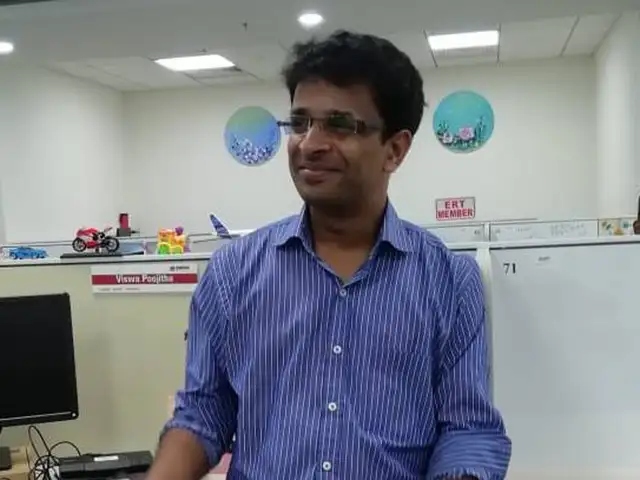
American Space Agency NASA has credited Chennai-based engineer and space science enthusiast Shanmuga Subramanian for a tip-off that led to the discovery of ISRO’s moonlander Vikram, which crashed into the surface of the moon in the last stages of a complex manoeuvre in September this year.
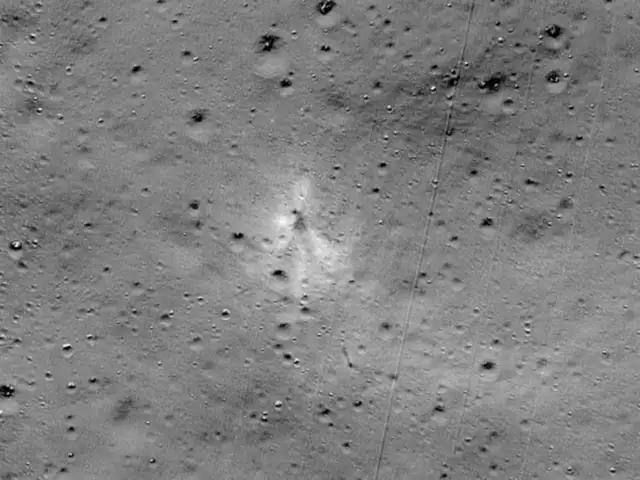
In a post on its website early on Tuesday, NASA has said its moon mission has discovered the remains of India’s Vikram Lander and identified the debris spotted by Subramanian with an “S” on its image.
The Chennai-based technologist discovered debris about 750 m from the main crash site of the lander, informed NASA, which said images made public by the space agency was combed by enthusiasts in search of the spacecraft. “Lunar Reconnaissance Orbiter Camera team released the first mosaic (acquired Sept. 17) of the site on Sept. 26 and many people have downloaded the mosaic to search for signs of Vikram. Shanmuga Subramanian contacted the LRO project with a positive identification of debris. After receiving this tip, the LROC team confirmed the identification by comparing before and after images.”
Subramanian said he works for an IT architect and creates apps and websites on his free time.
In a e-mailed response to ET, Subramanian said he was hooked to the images released by NASA and kept scanning it for days on end. “Initially there was lot of false positives I got corrected by Twitterati and one of the tweets lead to me a reddit forum where they had the exact intended landing location and the path of Vikram..”
A mechanical engineer with passion for rocket science, Subramanian said the discussions on public forums about the whereabouts of the Lander enthused him to keep looking for it.
Queried how he spotted the Lander, Subramanian said: “..I made out it would have stopped short of around 1 km from the landing spot so it eventually lead to me searching around 2 sq km around the landing area. I searched around North of the landing spot as Vikram approached the landing spot only from North and though there were a lot of false positives, I found a tiny little dot and compared with previous LRO images upto last 9 years which eventually confirmed it would be the debris then I reached out NASA about the same…”

Subramanian said there was burgeoning community of science enthusiasts online but efforts are needed to institutionalise it: “ I would suggest Students and others to help out NASA,ISRO and other space organizations by building a good database of LRO images with features like comparison etc.,Currently we have to compare it manually... wish someone can do more on that.”
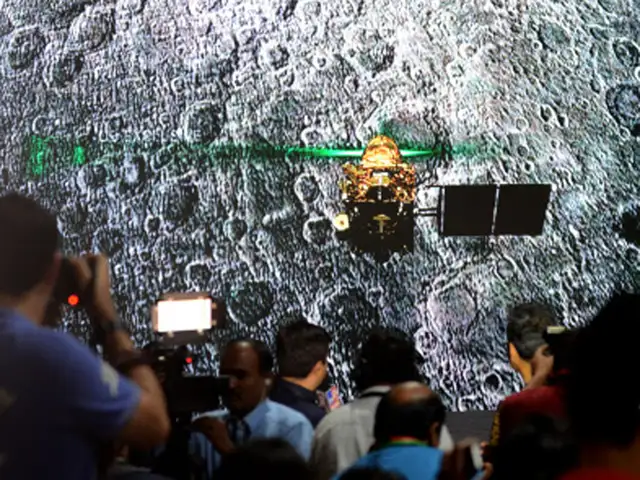
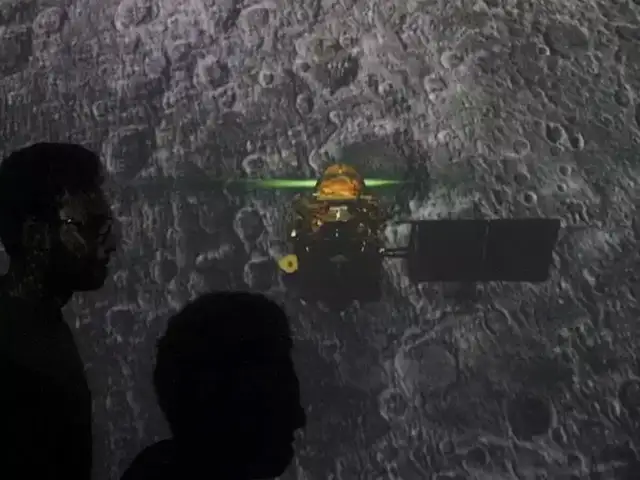
The Chandrayaan 2 mission, besides carrying an orbiter, had a rover and a lander, targetting safe touchdown on the surface of the moon through a controlled descent. Pragyan, the rover, was slated to roll out of the Lander onto the surface of the moon to conduct experiments and gather data. The Lander had been in contact until 2 km from surface of the moon, ISRO had said in a post on its website. On September 10, ISRO had announced that it had located the Lander but no communication has been estabished yet.
In a post on its website early on Tuesday, NASA has said its moon mission has discovered the remains of India’s Vikram Lander and identified the debris spotted by Subramanian with an “S” on its image.
The Chennai-based technologist discovered debris about 750 m from the main crash site of the lander, informed NASA, which said images made public by the space agency was combed by enthusiasts in search of the spacecraft. “Lunar Reconnaissance Orbiter Camera team released the first mosaic (acquired Sept. 17) of the site on Sept. 26 and many people have downloaded the mosaic to search for signs of Vikram. Shanmuga Subramanian contacted the LRO project with a positive identification of debris. After receiving this tip, the LROC team confirmed the identification by comparing before and after images.”
Subramanian said he works for an IT architect and creates apps and websites on his free time.
In a e-mailed response to ET, Subramanian said he was hooked to the images released by NASA and kept scanning it for days on end. “Initially there was lot of false positives I got corrected by Twitterati and one of the tweets lead to me a reddit forum where they had the exact intended landing location and the path of Vikram..”
A mechanical engineer with passion for rocket science, Subramanian said the discussions on public forums about the whereabouts of the Lander enthused him to keep looking for it.
ADVERTISEMENT
Queried how he spotted the Lander, Subramanian said: “..I made out it would have stopped short of around 1 km from the landing spot so it eventually lead to me searching around 2 sq km around the landing area. I searched around North of the landing spot as Vikram approached the landing spot only from North and though there were a lot of false positives, I found a tiny little dot and compared with previous LRO images upto last 9 years which eventually confirmed it would be the debris then I reached out NASA about the same…”
This 33-year-old techie from Chennai helped end three months of frantic search for the Vikram lander. Shanmuga Subramanian (Shan) is a mechanical engineer and a computer programmer who works as a technical architect at engineering company Lennox India Technology Centre in Chennai.


Subramanian said there was burgeoning community of science enthusiasts online but efforts are needed to institutionalise it: “ I would suggest Students and others to help out NASA,ISRO and other space organizations by building a good database of LRO images with features like comparison etc.,Currently we have to compare it manually... wish someone can do more on that.”
The Chandrayaan 2 mission, besides carrying an orbiter, had a rover and a lander, targetting safe touchdown on the surface of the moon through a controlled descent. Pragyan, the rover, was slated to roll out of the Lander onto the surface of the moon to conduct experiments and gather data. The Lander had been in contact until 2 km from surface of the moon, ISRO had said in a post on its website. On September 10, ISRO had announced that it had located the Lander but no communication has been estabished yet.
Download
The Economic Times Business News App for the Latest News in Business, Sensex, Stock Market Updates & More.
The Economic Times Business News App for the Latest News in Business, Sensex, Stock Market Updates & More.
Download
The Economic Times News App for Quarterly Results, Latest News in ITR, Business, Share Market, Live Sensex News & More.
The Economic Times News App for Quarterly Results, Latest News in ITR, Business, Share Market, Live Sensex News & More.
Related Articles
 Chandrayaan-3's Vikram lander detects strange tremors on moon: A first in lunar discovery2024-09-09T06:40:14Z
- Vikram lander raised lot of dust during moon landing, created halo2023-10-27T17:08:53Z
- 50-50 chance: ISRO yet to receive any signal from Chandrayaan 3's Vikram lander or Pragyan rover2023-09-22T13:43:36Z
ADVERTISEMENT


