GSLV-Mk III breaks Isro jinx of failed debut rocket launches
Overcoming initial hurdles, the PSLV rocket has emerged as the most reliable workhorse launch vehicle with 38 consecutive successful missions since October 1994.
By Surendra Singh, TNN | Updated:

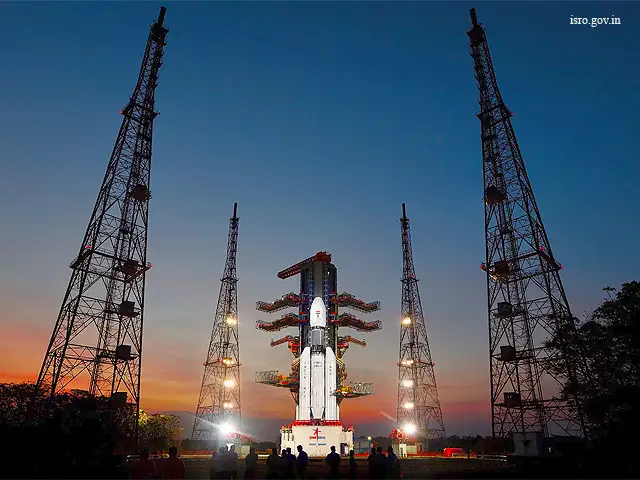
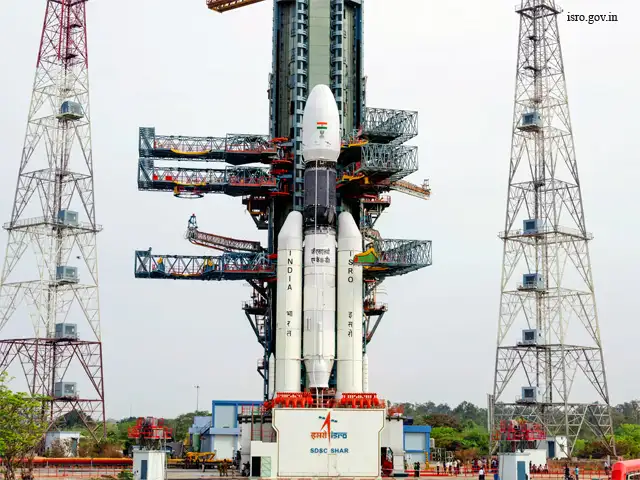
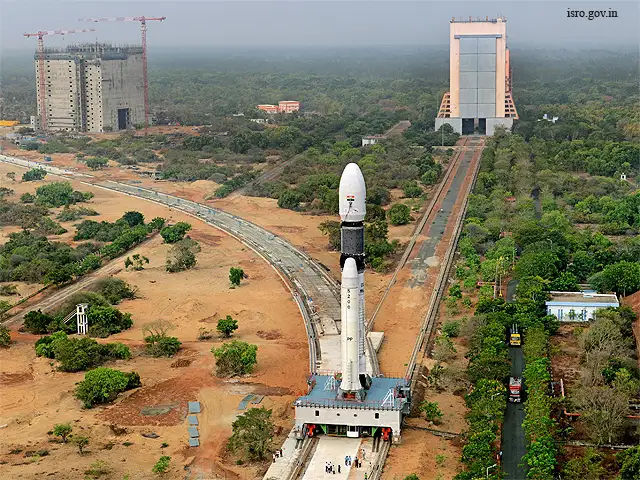
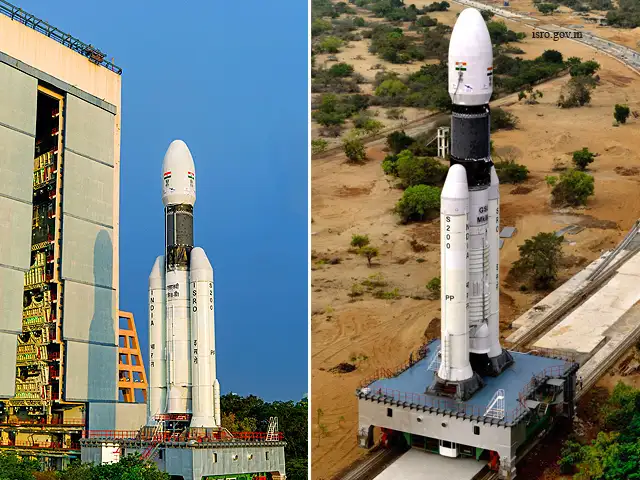
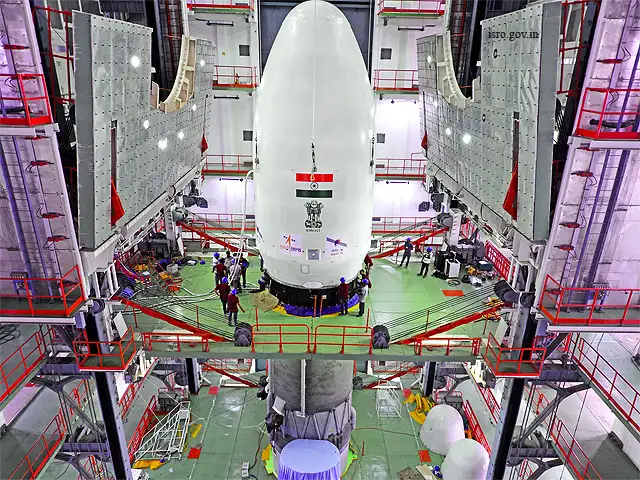
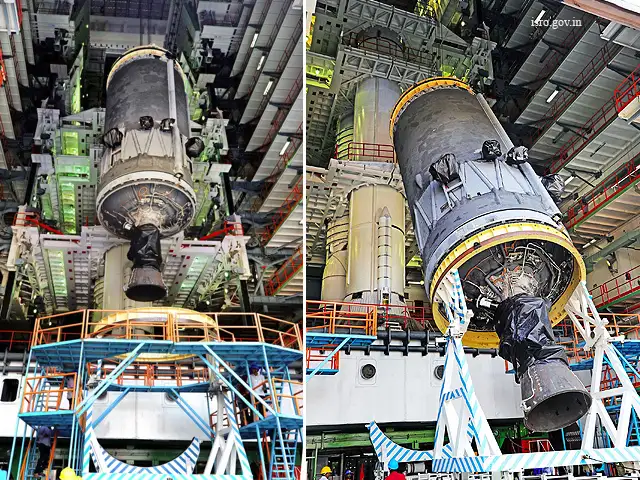
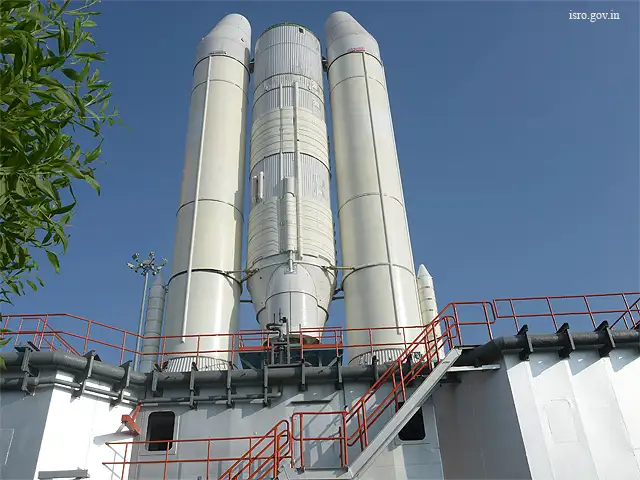
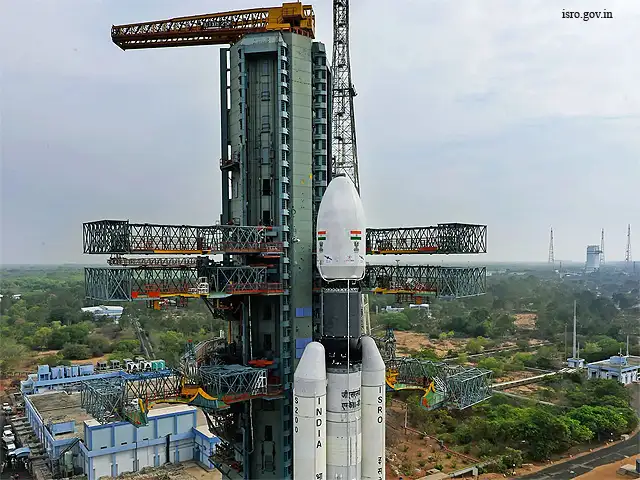
NEW DELHI: When the first developmental flight of GSLVMk III pierced through the sky after its launch from the Sriharikota at 5.28pm on Monday , it finally broke Isro's jinx of failing to achieve success in maiden rocket launches.
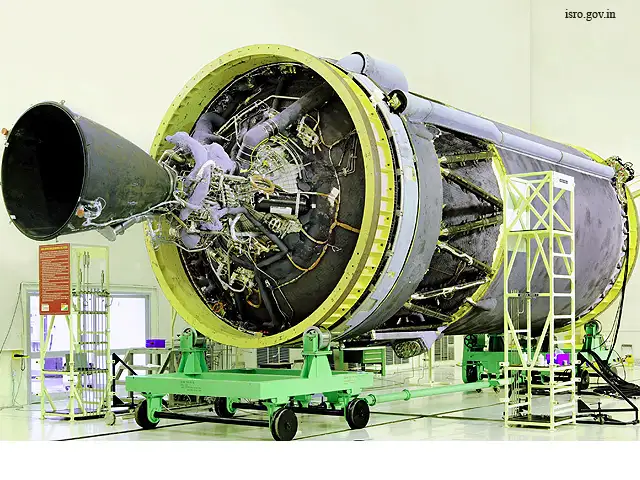
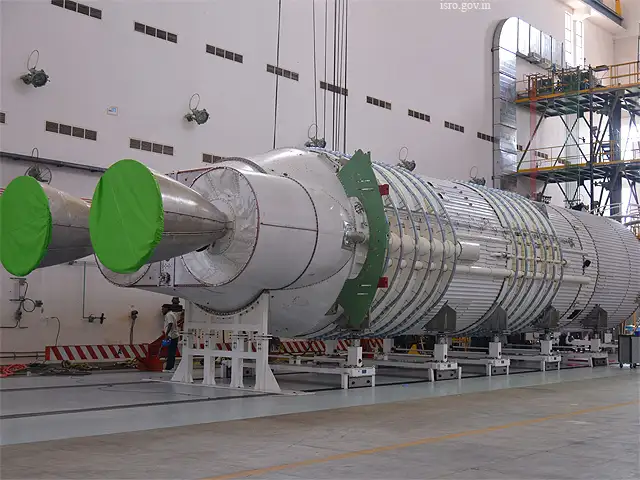
Isro's 640-tonne 'Fat Boy' ended the phase of uncertainties when it placed the advanced communication satellite Gsat-19 into a geosynchronous transfer orbit around 16 minutes after the launch and helped the space agency achieve a new milestone of launching a four tonne satellite into the geostationary orbit. With this, India has entered the global market of heavy payload launches.
Congratulating Isro scientists for the successful launch, PM Narendra Modi said, "GSLV-MKIII D1Gsat-19 mission takes India closer to the next generation launch vehicle and satellite capability. The nation is proud." A jubilant Isro chief AS Kiran Kumar called it a "historic day". The PM called Kumar and congratulated each member of the Isro team.
Though the US sanctions on India in 1992 prevented the country from getting cryogenic engine technology from Russia, it failed to halt Isro's relentless effort to develop rocket and cryogenic engine technologies.
Starting from the first ex perimental launch of Satellite Launch Vehicle-3 (SLV-3) on August 10, 1979, thereafter the first developmental launch of Augmented Satellite Launch Vehicle (ASLV) on March 24, 1987, and later the developmental launch of Polar Satellite Launch Vehicle (PSLV) on September 20, 1993, Isro failed in all these debut rocket launches.
Overcoming initial hurdles, the PSLV rocket has emerged as the most reliable workhorse launch vehicle with 38 consecutive successful missions since October 1994. The GSLV programme, too, faced many challenges. Despite initial bumps, GSLV Mk II was developed and the rocket had four consecutive successful launches since January 2014.
Isro's 640-tonne 'Fat Boy' ended the phase of uncertainties when it placed the advanced communication satellite Gsat-19 into a geosynchronous transfer orbit around 16 minutes after the launch and helped the space agency achieve a new milestone of launching a four tonne satellite into the geostationary orbit. With this, India has entered the global market of heavy payload launches.
Congratulating Isro scientists for the successful launch, PM Narendra Modi said, "GSLV-MKIII D1Gsat-19 mission takes India closer to the next generation launch vehicle and satellite capability. The nation is proud." A jubilant Isro chief AS Kiran Kumar called it a "historic day". The PM called Kumar and congratulated each member of the Isro team.
Though the US sanctions on India in 1992 prevented the country from getting cryogenic engine technology from Russia, it failed to halt Isro's relentless effort to develop rocket and cryogenic engine technologies.
Starting from the first ex perimental launch of Satellite Launch Vehicle-3 (SLV-3) on August 10, 1979, thereafter the first developmental launch of Augmented Satellite Launch Vehicle (ASLV) on March 24, 1987, and later the developmental launch of Polar Satellite Launch Vehicle (PSLV) on September 20, 1993, Isro failed in all these debut rocket launches.
Overcoming initial hurdles, the PSLV rocket has emerged as the most reliable workhorse launch vehicle with 38 consecutive successful missions since October 1994. The GSLV programme, too, faced many challenges. Despite initial bumps, GSLV Mk II was developed and the rocket had four consecutive successful launches since January 2014.
Download
The Economic Times Business News App for the Latest News in Business, Sensex, Stock Market Updates & More.
The Economic Times Business News App for the Latest News in Business, Sensex, Stock Market Updates & More.
Download
The Economic Times News App for Quarterly Results, Latest News in ITR, Business, Share Market, Live Sensex News & More.
The Economic Times News App for Quarterly Results, Latest News in ITR, Business, Share Market, Live Sensex News & More.
Related Articles
 He once scored 51 marks in Maths, now owns a space company worth $1.1 billion. Meet 35-year-old rocket man who gave up ISRO job2026-06-17T05:52:25Z
- HMT revival plan likely to focus on self-reliance in new-age manufacturing for ISRO2026-06-16T19:09:47Z
- How ISRO’s AI-powered coastal safety systems are helping detect dangerous rip currents in real time2026-06-16T06:18:35Z

ADVERTISEMENT


