For 15 days in June, Sun to block all communication with Mangalyaan
There will be a nail-biting fortnight in June for the Isro team because there will be absolutely no communication with the MOM during that period.
By Srinivas Laxman, TNN | Updated:

MUMBAI: There will be a nail-biting fortnight in June for the Isro team because there will be absolutely no communication with the Mars Orbiter Mission (MOM) during that period.
"It (the communication break) will be for the first time for such a long period since its launch on November 5, 2013," former Isro chairman K Radhakrishnan said at the Indian Science Congress on Friday.
In a question-and-answer session with former Isro scientist Pramod Kale at the first plenary meeting of the 102nd edition of the congress, Radhakrishnan said that the blackout will be the result of an eclipse.
MOM project director Subbiah Arunan, who is scheduled to address the congress on Monday, said the blackout will be from June 8 to 22 because the Sun will come between Earth and Mars, blocking the view of the red planet.
Arunan said that during the blackout data cannot be transmitted to the spacecraft or downlinked. "MOM will be fully in autonomous mode," he said.
Arunan said the scenario had been tested in the mission simulation tests.
"There have been many manoeuvres when there has been a communication blackout, but this is the first time it is happening for as long as 14 day," Arunan said. "We are confident that there will be no problems."
Arunan said in May 2016 there will be what is known as a "whiteout" period when Earth will come between the Sun and Mars, blocking communication with the spacecraft for about a fortnight again.
Radhakrishnan, who retired on Wednesday, told the large gathering of students and scientists that the quality of data downloaded from the five payloads on board MOM was excellent. "After a series of reviews, they will get published," he said.
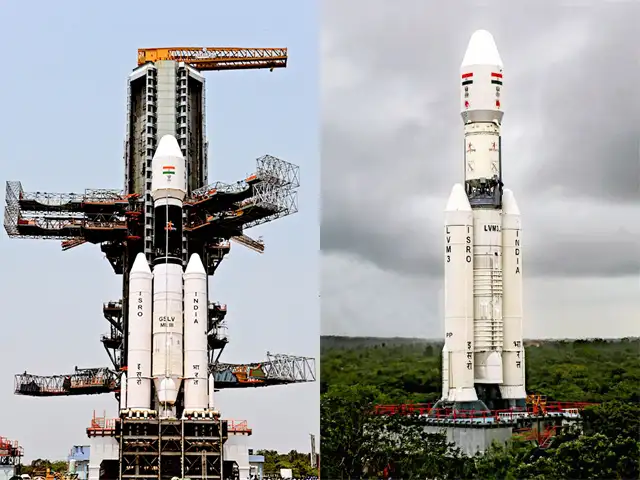
Moving to other matters, he said the cryogenic stage for the new LVM 3 rocket would be ready in two years and will be three times more powerful than the existing ones.
He said that 300 industrial firms were participating in the space programme and that in the next few years "we want a launcher like the PSLV coming out of an industry".
About the participation of students in the space programme, Radhakrishnan said they were looking for centres of excellence in space technology in the academic world. To a question about the human space flight programme, he said some more developments had to take place before the country could declare itself ready for such a mission.
"It (the communication break) will be for the first time for such a long period since its launch on November 5, 2013," former Isro chairman K Radhakrishnan said at the Indian Science Congress on Friday.
In a question-and-answer session with former Isro scientist Pramod Kale at the first plenary meeting of the 102nd edition of the congress, Radhakrishnan said that the blackout will be the result of an eclipse.
MOM project director Subbiah Arunan, who is scheduled to address the congress on Monday, said the blackout will be from June 8 to 22 because the Sun will come between Earth and Mars, blocking the view of the red planet.
Arunan said that during the blackout data cannot be transmitted to the spacecraft or downlinked. "MOM will be fully in autonomous mode," he said.
Arunan said the scenario had been tested in the mission simulation tests.
ADVERTISEMENT
"There have been many manoeuvres when there has been a communication blackout, but this is the first time it is happening for as long as 14 day," Arunan said. "We are confident that there will be no problems."
Arunan said in May 2016 there will be what is known as a "whiteout" period when Earth will come between the Sun and Mars, blocking communication with the spacecraft for about a fortnight again.
Radhakrishnan, who retired on Wednesday, told the large gathering of students and scientists that the quality of data downloaded from the five payloads on board MOM was excellent. "After a series of reviews, they will get published," he said.
Moving to other matters, he said the cryogenic stage for the new LVM 3 rocket would be ready in two years and will be three times more powerful than the existing ones.
ADVERTISEMENT
He said that 300 industrial firms were participating in the space programme and that in the next few years "we want a launcher like the PSLV coming out of an industry".
About the participation of students in the space programme, Radhakrishnan said they were looking for centres of excellence in space technology in the academic world. To a question about the human space flight programme, he said some more developments had to take place before the country could declare itself ready for such a mission.
Download
The Economic Times Business News App for the Latest News in Business, Sensex, Stock Market Updates & More.
The Economic Times Business News App for the Latest News in Business, Sensex, Stock Market Updates & More.
Download
The Economic Times News App for Quarterly Results, Latest News in ITR, Business, Share Market, Live Sensex News & More.
The Economic Times News App for Quarterly Results, Latest News in ITR, Business, Share Market, Live Sensex News & More.
Text: PTI
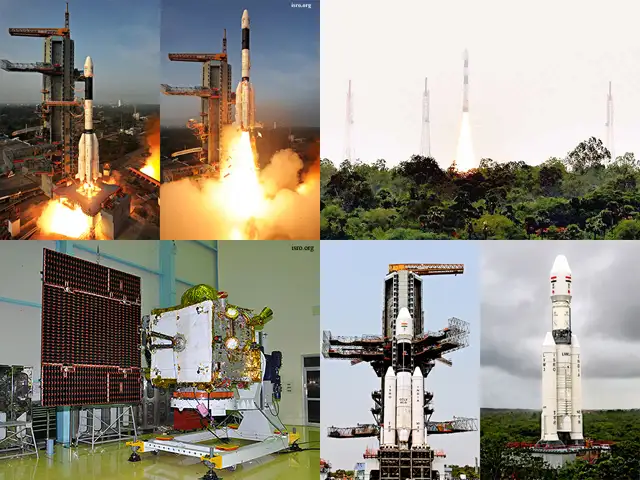
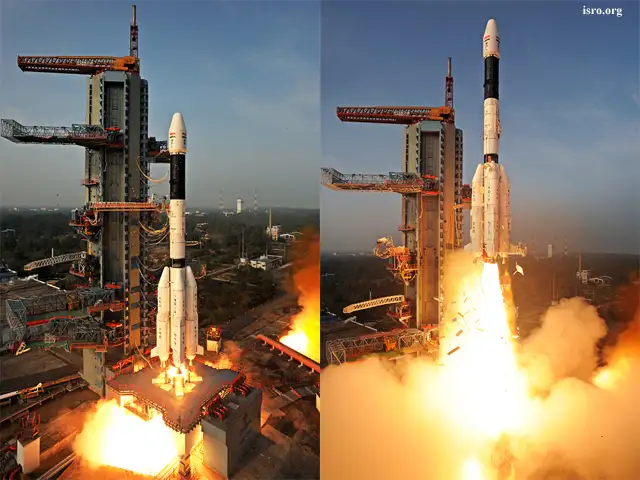
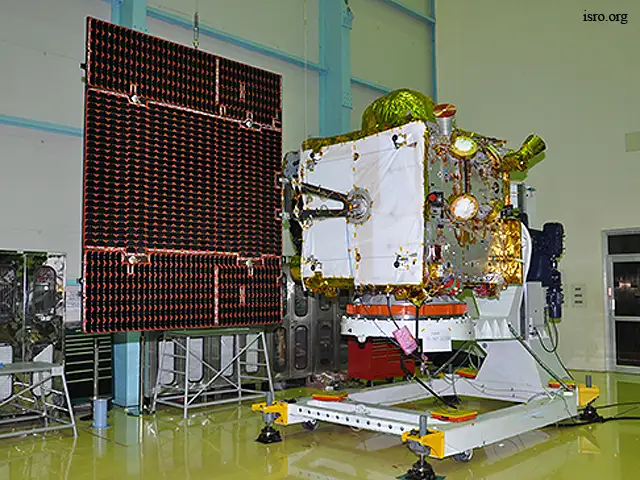
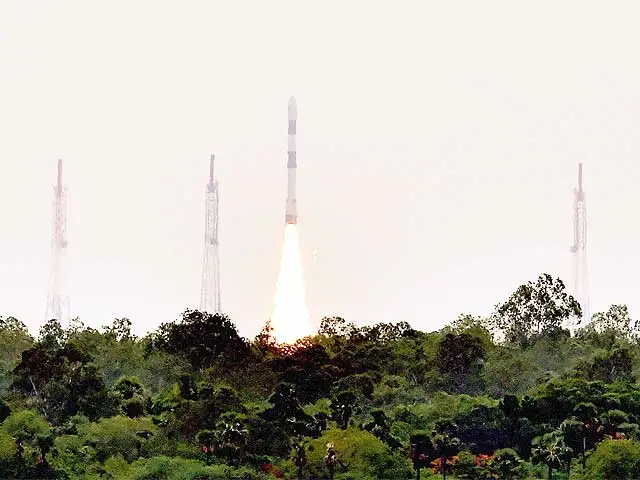
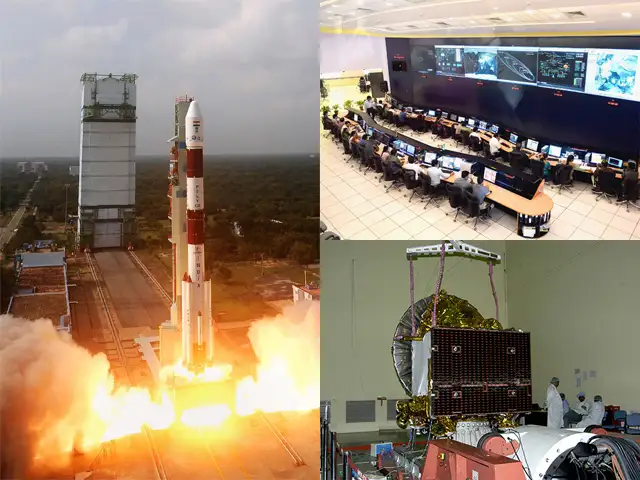
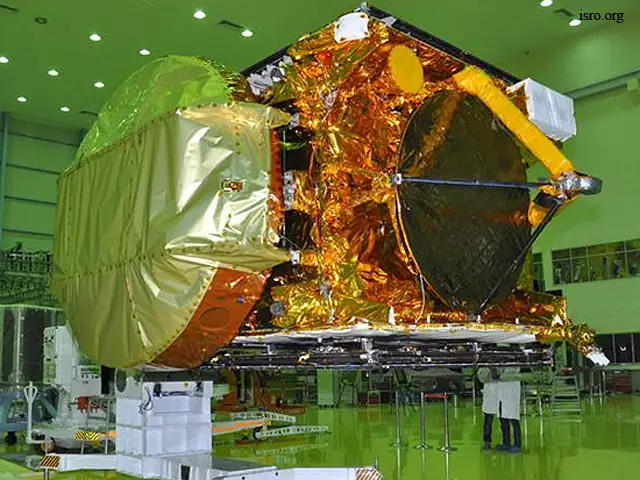
With IRSO succeeding in its first inter-planetary Mars Orbiter Mission making India the only country to achieve this feat in its maiden attempt, 2014 was not only momentous but a very busy year for the space sector.
We take a look at six special milestones that ISRO achieved:
With IRSO succeeding in its first inter-planetary Mars Orbiter Mission making India the only country to achieve this feat in its maiden attempt, 2014 was not only momentous but a very busy year for the space sector.
We take a look at six special milestones that ISRO achieved:

ADVERTISEMENT


