
European wind-reading satellite Aeolus to take off tomorrow from French Guiana
1/6
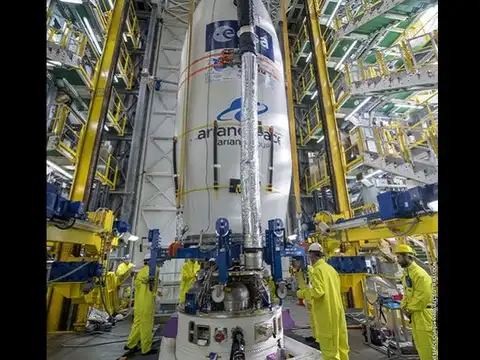
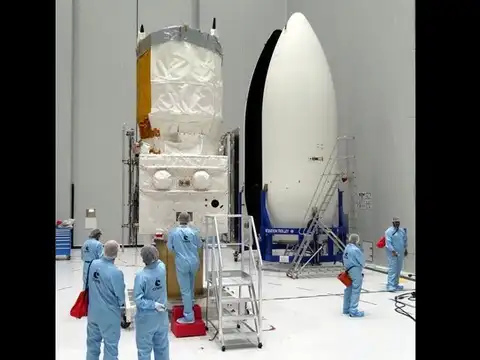
ESA's Aeolus satellite
The European Space Agency (ESA) is ready to launch it's wind-sensing satellite Aeolus- a name derived from Greek mythology- from French Guiana tomorrow. Here's all you need to know about the space expedition and what it aims at achieving.
2/6
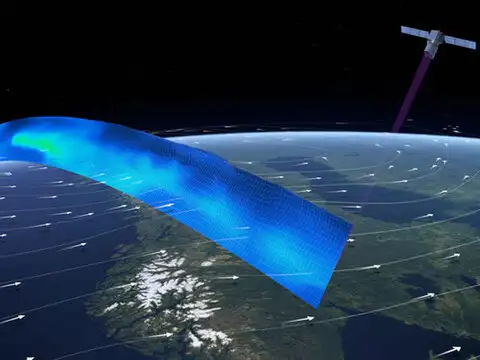
How the satellite works?
The Vega rocket carrying the Aeolus satellite will have also onboard a Doppler wind lidar known as Aladin, which is one of the most sensitive instruments ever put into orbit. Aladin will make Aeolus the first satellite to directly measure wind speeds on earth from space, providing crucial data that is expected to greatly improve weather forecasting around the globe.
3/6
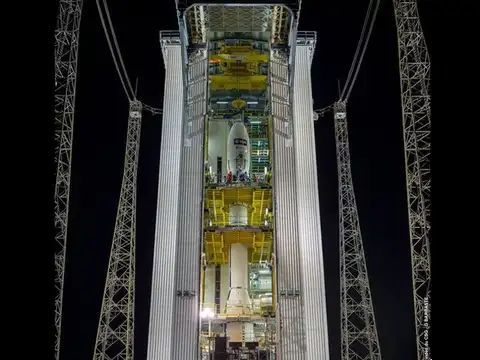
Last step before a major leap
The teams responsible for flying the Aeolus satellite completed a pre-launch ‘dress rehearsal’ at ESA’s ESOC operations centre in Darmstadt last week on August 17- This was the last major step before the final liftoff.
Amazon Top Deals
POWERED BY

Crompton Ozone 75 Litres Desert Air Cooler for home | Large & Easy Clean Ice Chamber | 4-Way Air Deflection | High Density Honeycomb Pads | Everlast Pump | Auto Fill| 3 Year Brand Warranty
₹9,798Buy Now43%
OFF

atomberg Studio Smart+ 1200mm BLDC Ceiling Fan with IoT & Remote | BEE 5 star Rated Energy Efficient Ceiling Fan | High Air Delivery with LED Indicators | 3 Year Warranty (Earth Brown)
₹5,882Buy Now36%
OFF

LG 32 L Convection Microwave Oven (MC3286BRUM, Black, 360° Motorised Rotisserie for Bar-be-queing, 301 Auto Cook Menu, Stainless steel cavity, Indian Cuisine, Tandoor Se, Steam Clean & Diet Fry)
₹19,340Buy Now19%
OFF
4/6
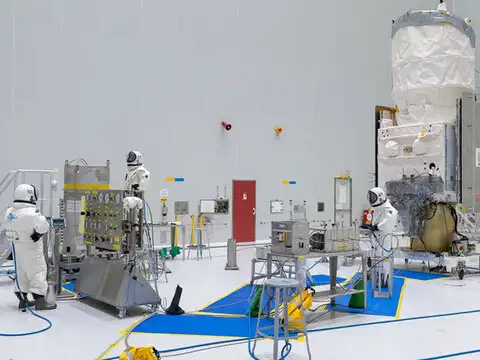
Inside the control room
Experts in mission operations, flight dynamics, ground stations and software systems worked together with counterparts in the Jupiter Control Room on the far side of the Atlantic at Europe’s Spaceport in Kourou, French Guiana, to practise the pre-launch and liftoff sequence.
5/6
Sending signals from space
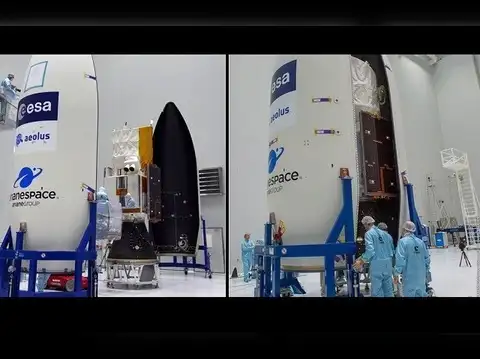
The Vega rocket launcher will inject Aeolus into orbit at an altitude of 320 km. Once the satellite separates from the rocket and begins free flight, the solar arrays have extended and Aeolus has turned towards earth, a global network of ground stations will begin receiving signals from the satellite, marking the first data link between Aeolus and mission control.
6/6
The 'LEOP' period
After establishing contact, teams will begin three days of intense activity, working around the clock to chaperone the satellite through the ‘LEOP’ period — the ‘launch and early orbit phase’ — one of the most critical periods in the life of any satellite. Working non-stop to verify the satellite’s health, they will switch on and configure flight control systems and ensure that all critical steps take place as scheduled, and that all flight control systems and communications are functioning as planned.