Country scores firsts with maiden mission to Mars
According to MOM project director, Subbiah Arunan, the Mars-bound spacecraft crossed the deadly Van Allen radiation belt as many as 39 times.
By Srinivas Laxman, TNN | Updated:

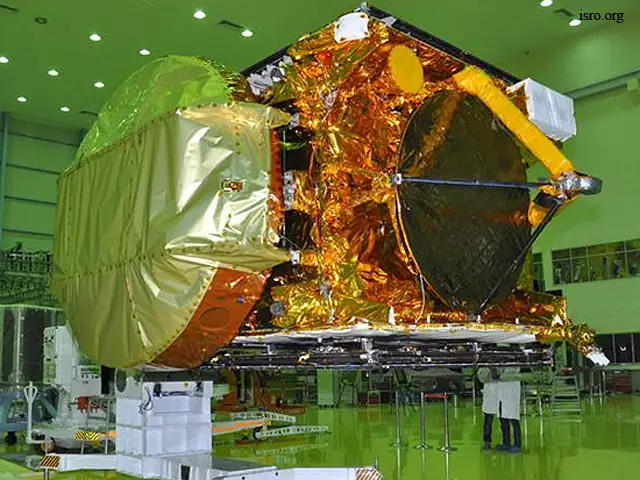
MUMBAI: And yet another first for the Mars Orbiter Mission (MOM) in the history of Mars exploration.
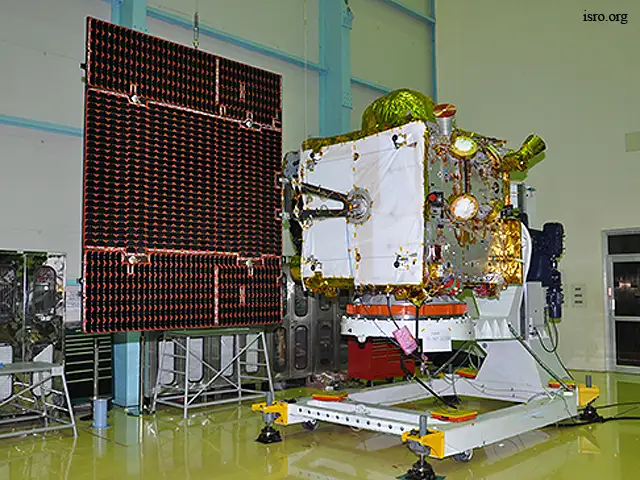
According to MOM project director, Subbiah Arunan, the Mars-bound spacecraft crossed the deadly Van Allen radiation belt as many as 39 times while zooming towards the Red Planet and remained unaffected.
Arunan revealed this hitherto unknown aspect of MOM while addressing a plenary session of the 102 Indian Science Congress at Mumbai University's Kalina campus on Monday.
Yes, it was known that MOM had passed through the lethal belt and was unharmed. But, it was a fresh revelation that this spacecraft, described as super smart by Time magazine, with five payloads crossed the lethal belt 39 times without any negative impact.
"This is the first time any spacecraft has done this," he declared to the large gathering of students, scientists and professors. He added that this was also the first time that a mission to Mars did not encounter what is known as a "lost in space" condition.
The components of MOM were radiation shielded at Isro's Satellite Centre in Bengaluru while the spacecraft was being prepared for the mission.
Nasa's Explorer 1 and Explorer 3 missions confirmed the existence of the radiation belts in 1958 under Jamas Van Allen of the University of Iowa.
The main belts extend from an altitude of about 1000 to 60,000 kms above the earth's surface.
Arunan said that the orbit of MOM at Mars was currently 263 X 71358 kms and it was performing satisfactorily. Referring to the overall mission he said: "We have taken a huge risk and we have won.''
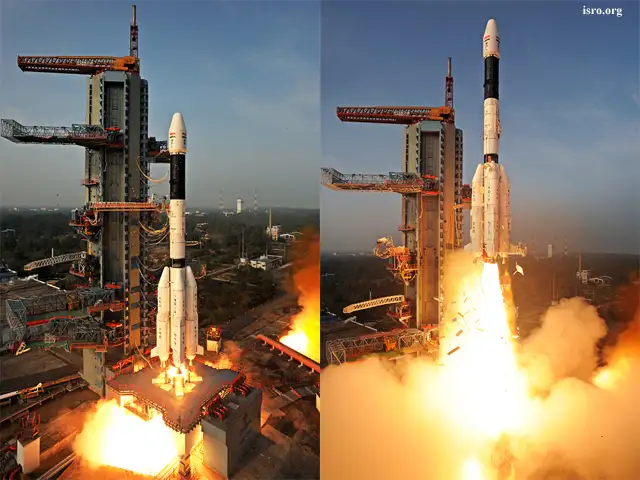
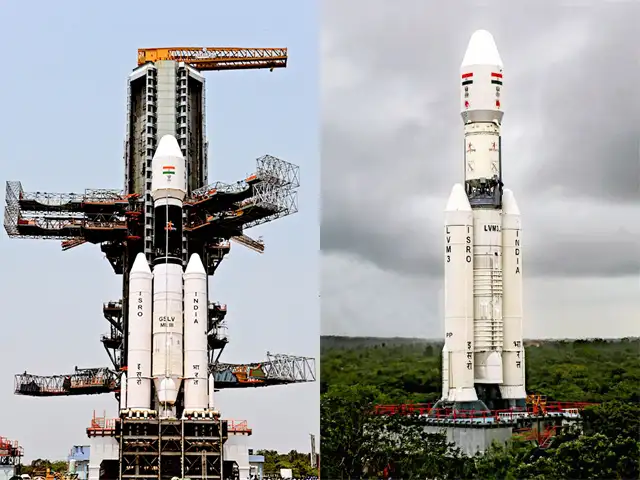
In another presentation S.Somanath, project director, GSLV Mark 3 also known as LVM3, said an advanced version of this rocket was being designed which can carry payloads upto 10 tonnes and 20 tonnes to the low earth orbit.
The present version of the LVM3 when it becomes operational will carry payloads upto four tonnes to the geo stationary transfer orbit.
A technology demonstrator of the LVM3 was launched successfully on December 18 with an unmanned crew module and after about 20 minutes precisely impacted on the Bay of Bengal off the Andaman Islands within the 12 kms circle as planned, Somanath said.
He said that a fully indigenous cryogenic engine incorporating new technology will be realised in the fourth quarter of 2016 and will place a satellite in orbit in 2017.
Isro's Liquid Propulsion Systems Centre was also working on electric propulsion system which will be used for deep space missions, he added, while pointing out that ``there will be an evolutionary approach leading to a human presence on the moon."
According to MOM project director, Subbiah Arunan, the Mars-bound spacecraft crossed the deadly Van Allen radiation belt as many as 39 times while zooming towards the Red Planet and remained unaffected.
Arunan revealed this hitherto unknown aspect of MOM while addressing a plenary session of the 102 Indian Science Congress at Mumbai University's Kalina campus on Monday.
Yes, it was known that MOM had passed through the lethal belt and was unharmed. But, it was a fresh revelation that this spacecraft, described as super smart by Time magazine, with five payloads crossed the lethal belt 39 times without any negative impact.
"This is the first time any spacecraft has done this," he declared to the large gathering of students, scientists and professors. He added that this was also the first time that a mission to Mars did not encounter what is known as a "lost in space" condition.
The components of MOM were radiation shielded at Isro's Satellite Centre in Bengaluru while the spacecraft was being prepared for the mission.
ADVERTISEMENT
Nasa's Explorer 1 and Explorer 3 missions confirmed the existence of the radiation belts in 1958 under Jamas Van Allen of the University of Iowa.
The main belts extend from an altitude of about 1000 to 60,000 kms above the earth's surface.
Arunan said that the orbit of MOM at Mars was currently 263 X 71358 kms and it was performing satisfactorily. Referring to the overall mission he said: "We have taken a huge risk and we have won.''
In another presentation S.Somanath, project director, GSLV Mark 3 also known as LVM3, said an advanced version of this rocket was being designed which can carry payloads upto 10 tonnes and 20 tonnes to the low earth orbit.
ADVERTISEMENT
The present version of the LVM3 when it becomes operational will carry payloads upto four tonnes to the geo stationary transfer orbit.
A technology demonstrator of the LVM3 was launched successfully on December 18 with an unmanned crew module and after about 20 minutes precisely impacted on the Bay of Bengal off the Andaman Islands within the 12 kms circle as planned, Somanath said.
ADVERTISEMENT
He said that a fully indigenous cryogenic engine incorporating new technology will be realised in the fourth quarter of 2016 and will place a satellite in orbit in 2017.
Isro's Liquid Propulsion Systems Centre was also working on electric propulsion system which will be used for deep space missions, he added, while pointing out that ``there will be an evolutionary approach leading to a human presence on the moon."
Download
The Economic Times Business News App for the Latest News in Business, Sensex, Stock Market Updates & More.
The Economic Times Business News App for the Latest News in Business, Sensex, Stock Market Updates & More.
Download
The Economic Times News App for Quarterly Results, Latest News in ITR, Business, Share Market, Live Sensex News & More.
The Economic Times News App for Quarterly Results, Latest News in ITR, Business, Share Market, Live Sensex News & More.
Text: PTI
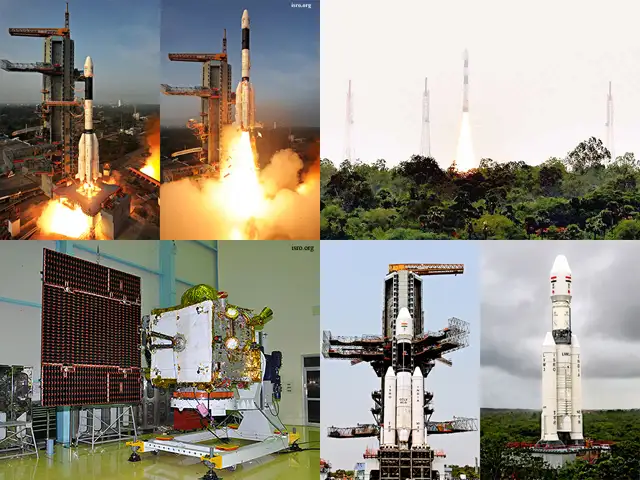
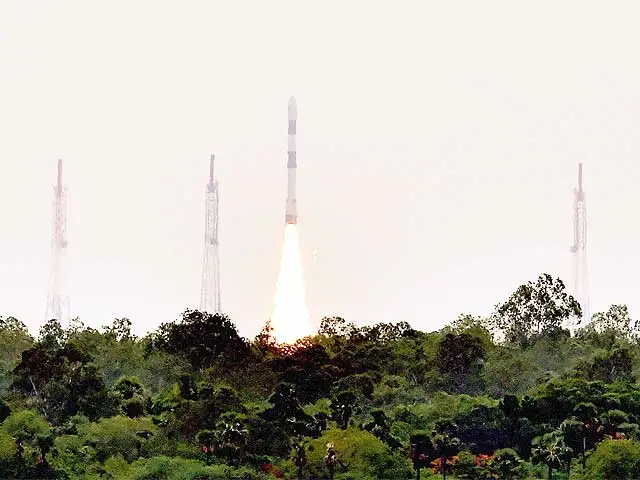
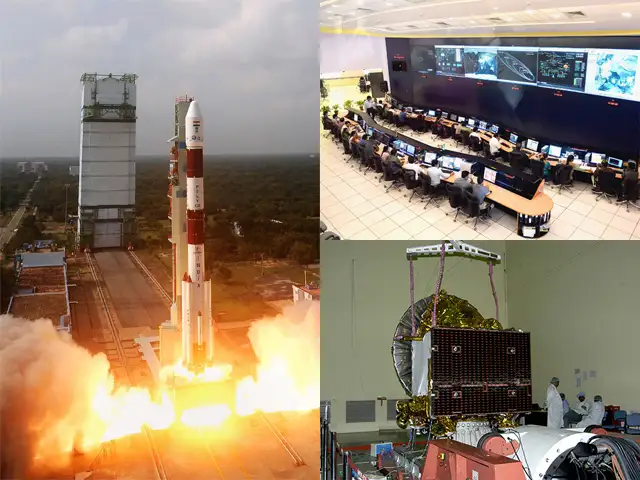
With IRSO succeeding in its first inter-planetary Mars Orbiter Mission making India the only country to achieve this feat in its maiden attempt, 2014 was not only momentous but a very busy year for the space sector.
We take a look at six special milestones that ISRO achieved:
With IRSO succeeding in its first inter-planetary Mars Orbiter Mission making India the only country to achieve this feat in its maiden attempt, 2014 was not only momentous but a very busy year for the space sector.
We take a look at six special milestones that ISRO achieved:

ADVERTISEMENT


