Chandrayaan-3: ISRO all set to initiate Automatic Landing Sequence
The Indian Space Research Organisation (ISRO) on Wednesday said in a post on X (formerly Twitter) that it is all set to initiate the Automatic Landing Sequence (ALS). The scheduled timing for the soft landing of Chandrayaan-3 on the Moon’s south p...
By ET Online | Updated:
Chandrayaan-3: ISRO set to initiate Automatic Landing Sequence
The Indian Space Research Organisation (ISRO) on Wednesday said in a post on X (formerly Twitter) that it is all set to initiate the Automatic Landing Sequence (ALS).
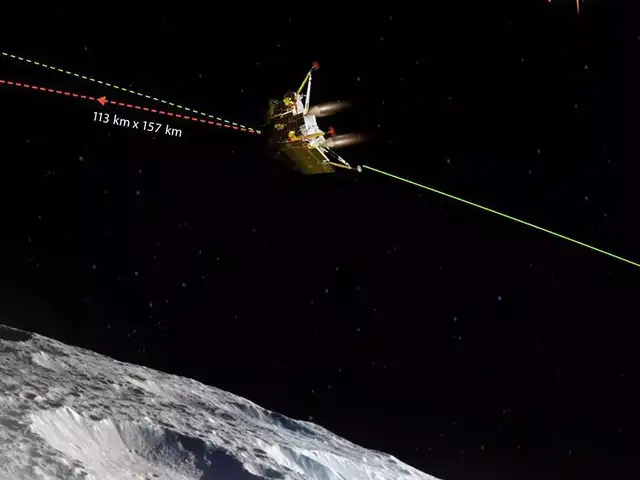
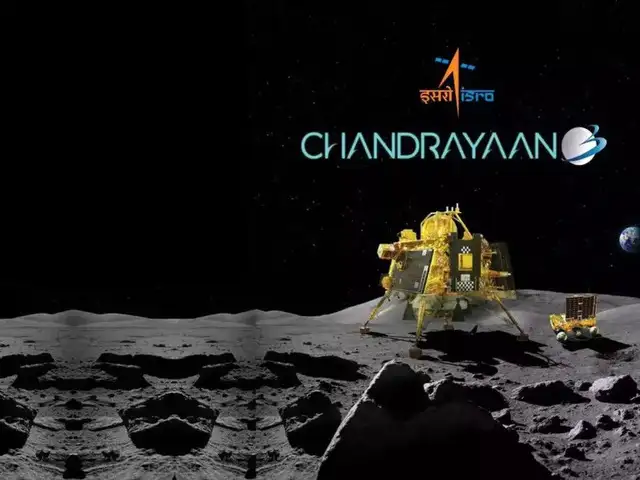
It said, "All set to initiate the Automatic Landing Sequence (ALS). Awaiting the arrival of Lander Module (LM) at the designated point, around 17:44 Hrs. IST. Upon receiving the ALS command, the LM activates the throttleable engines for powered descent. The mission operations team will keep confirming the sequential execution of commands. The live telecast of operations at MOX begins at 17:20 Hrs. IST."
The scheduled timing for the soft landing of Chandrayaan-3 on the Moon’s south pole on August 23, 2023 (Wednesday), is around 18:04 IST, with the powered descent of Vikram lander expected at 17:45 IST.
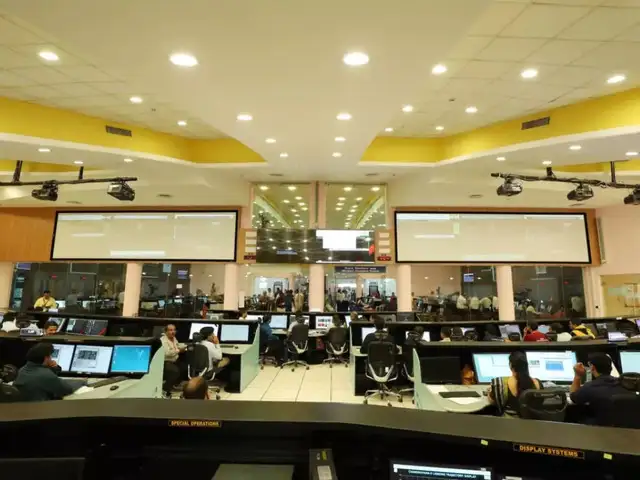
The live telecast of the landing operations at Mission Operation Complex (MOX) will begin at 1720 IST on Wednesday. Live actions of landing will be available on the ISRO website, its YouTube channel, Facebook, and public broadcaster DD National TV from 17:27 IST on Aug 23, 2023.
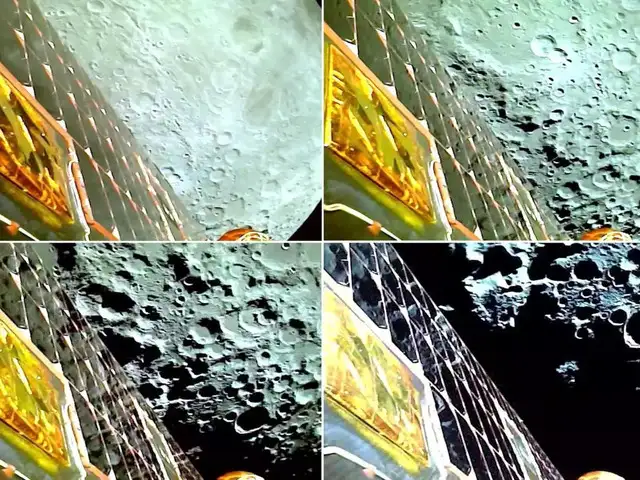
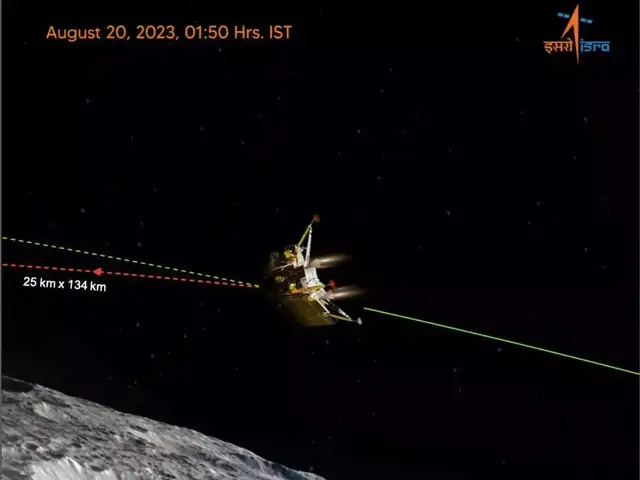
In its latest update on Chandrayaan-3 soft landing, ISRO has said the mission is on schedule and systems are undergoing regular checks. It also released a series of up-close images of the moon. These images assist the lander module in determining its position (latitude and longitude) by matching them against an onboard moon reference map.
This mission, if it turns out to be fruitful, will make India the only country to have marked its presence on the lunar south pole which is considered to be difficult for its rough and harsh conditions, and fourth – after US, China, and Russia – to have successfully landed on the moon’s surface.
Historically, spacecraft missions to the Moon have primarily targeted the equatorial region due to its favourable terrain and operating conditions. However, the lunar south pole presents a vastly different and more challenging terrain compared to the equatorial region.
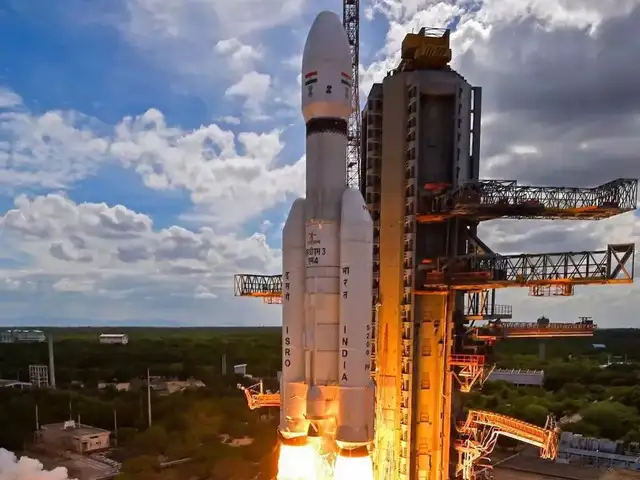
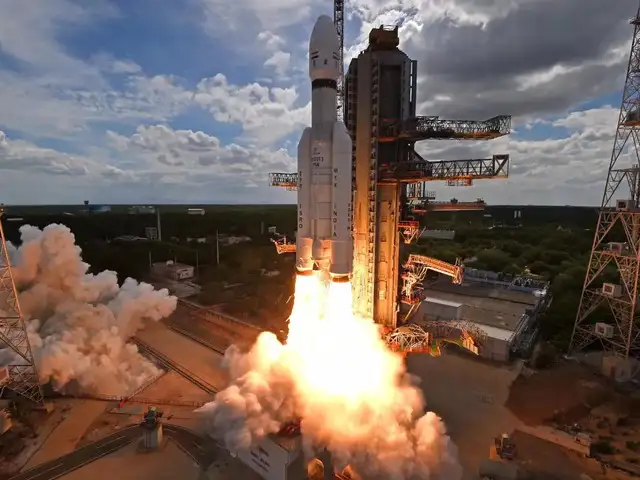
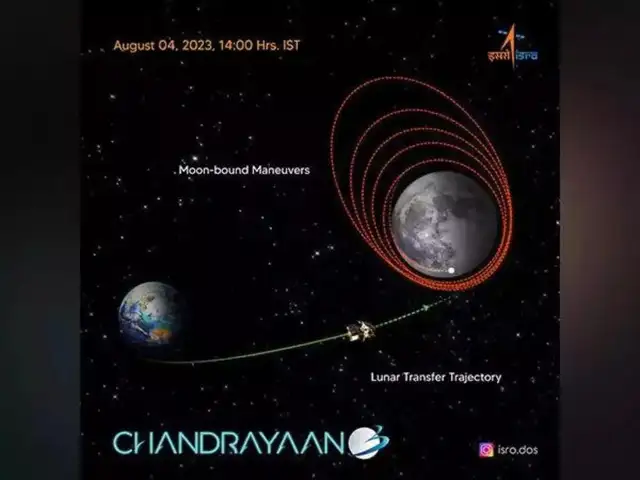
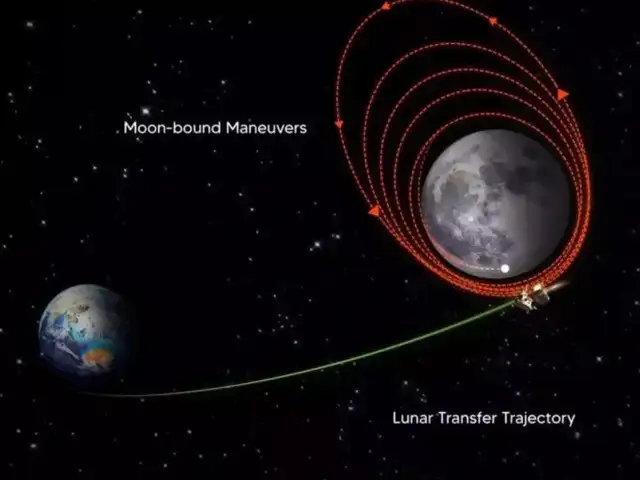
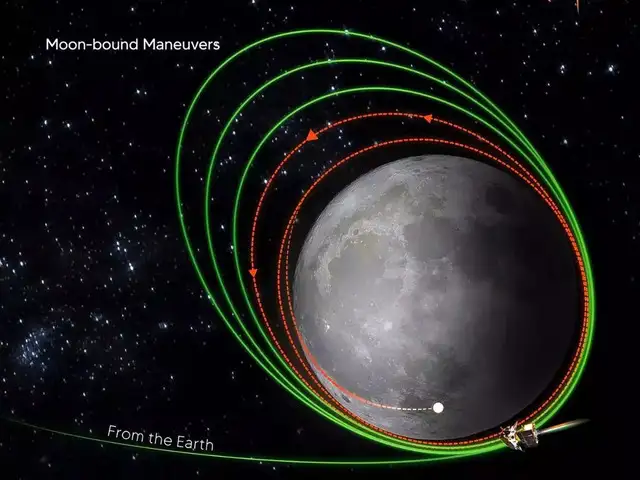
The spacecraft was launched from the Satish Dhawan Space Centre in Andhra Pradesh’s Sriharikota on July 14. A GSLV Mark 3 (LVM 3) heavy-lift launch vehicle was used for the launch of the spacecraft that was placed in the lunar orbit on August 5 and since then it has been through a series of orbital manoeuvres been lowered closer to the moon’s surface.
(With inputs from agencies)
It said, "All set to initiate the Automatic Landing Sequence (ALS). Awaiting the arrival of Lander Module (LM) at the designated point, around 17:44 Hrs. IST. Upon receiving the ALS command, the LM activates the throttleable engines for powered descent. The mission operations team will keep confirming the sequential execution of commands. The live telecast of operations at MOX begins at 17:20 Hrs. IST."
The scheduled timing for the soft landing of Chandrayaan-3 on the Moon’s south pole on August 23, 2023 (Wednesday), is around 18:04 IST, with the powered descent of Vikram lander expected at 17:45 IST.
The live telecast of the landing operations at Mission Operation Complex (MOX) will begin at 1720 IST on Wednesday. Live actions of landing will be available on the ISRO website, its YouTube channel, Facebook, and public broadcaster DD National TV from 17:27 IST on Aug 23, 2023.
In its latest update on Chandrayaan-3 soft landing, ISRO has said the mission is on schedule and systems are undergoing regular checks. It also released a series of up-close images of the moon. These images assist the lander module in determining its position (latitude and longitude) by matching them against an onboard moon reference map.
ADVERTISEMENT
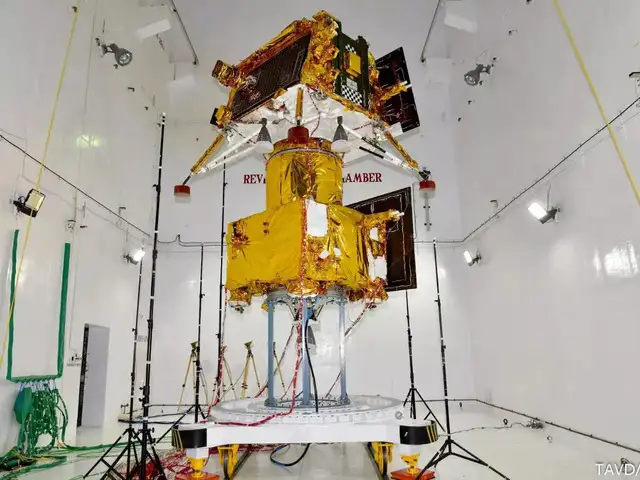
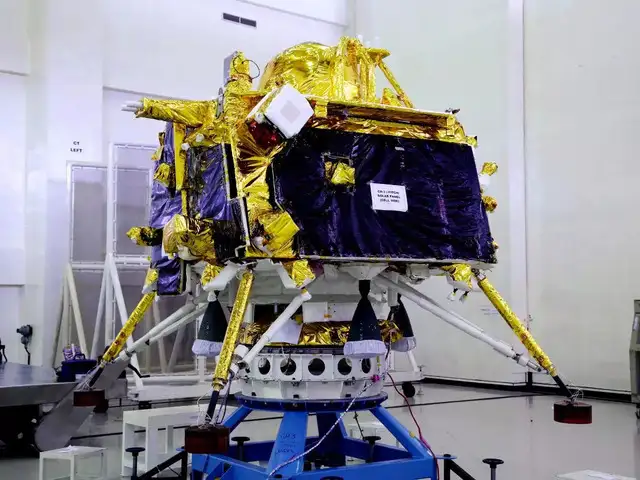
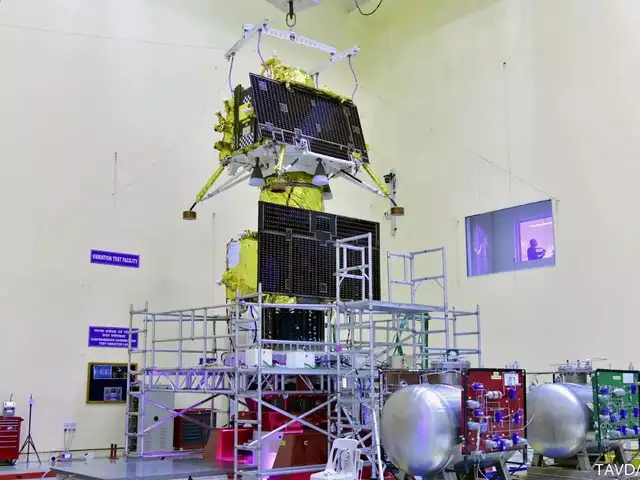
ISRO's ambitious third Moon mission Chandrayaan-3's Lander Module (LM) is just a few hours away from soft landing on moon, an attempt that has been dubbed extremely challenging by space experts alike. With Chandrayaan-3's success, India is eyeing to become the first country to reach the uncharted south pole of Earth's only natural satellite. (Image: ISRO)

This mission, if it turns out to be fruitful, will make India the only country to have marked its presence on the lunar south pole which is considered to be difficult for its rough and harsh conditions, and fourth – after US, China, and Russia – to have successfully landed on the moon’s surface.
Historically, spacecraft missions to the Moon have primarily targeted the equatorial region due to its favourable terrain and operating conditions. However, the lunar south pole presents a vastly different and more challenging terrain compared to the equatorial region.
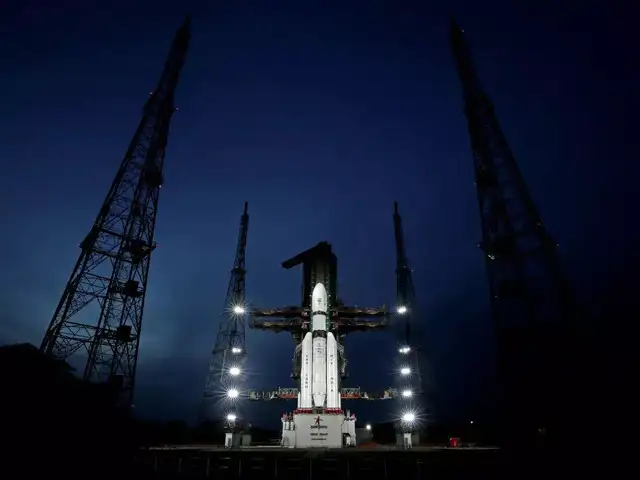
On July 14, Chandrayaan-3 mission by the Indian Space Research Organisation (ISRO) successfully lifted off from the Satish Dhawan Space Centre in Andhra Pradesh's Sriharikota, and went on its way to script history. (Image: ISRO)
ADVERTISEMENT
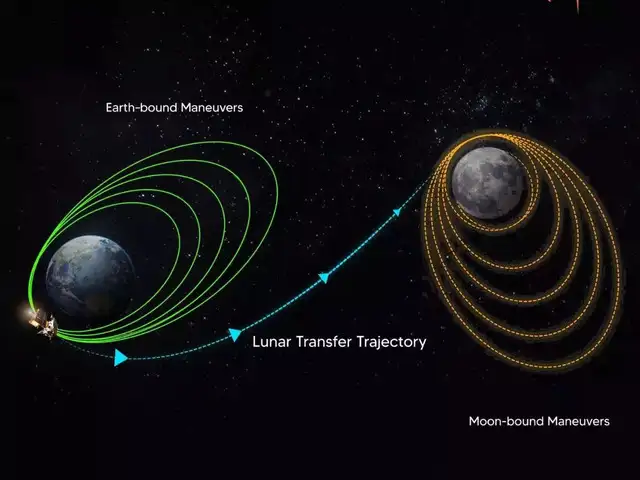
With all eyes on the attempted Chandrayaan-3 soft landing, more so after Russia’s Luna-25 failed recently, let us look at the sequence of India’s mission since its lift-off 41 days ago.The spacecraft was launched from the Satish Dhawan Space Centre in Andhra Pradesh’s Sriharikota on July 14. A GSLV Mark 3 (LVM 3) heavy-lift launch vehicle was used for the launch of the spacecraft that was placed in the lunar orbit on August 5 and since then it has been through a series of orbital manoeuvres been lowered closer to the moon’s surface.
ADVERTISEMENT
Ever since the July 14 launch, ISRO has been maintaining that the health of the spacecraft remains “normal”.(With inputs from agencies)
Download
The Economic Times Business News App for the Latest News in Business, Sensex, Stock Market Updates & More.
The Economic Times Business News App for the Latest News in Business, Sensex, Stock Market Updates & More.
Download
The Economic Times News App for Quarterly Results, Latest News in ITR, Business, Share Market, Live Sensex News & More.
The Economic Times News App for Quarterly Results, Latest News in ITR, Business, Share Market, Live Sensex News & More.
Related Articles
 India's Chandrayaan-3 mission gets Goddard Astronautics Award from AIAA2026-05-21T17:44:36Z
- ISRO's Chandrayaan-3 mission holds key to lunar discoveries as scientists await awakening2023-09-20T08:07:34Z
- ETMarkets Smart Talk: Top 6 sectors that could benefit from success of Chandrayaan 3 mission: Alok Agarwal2023-09-06T03:30:00Z
ADVERTISEMENT


