Cancer brought out best in me, says Mars mission chief Subbaiah Arunan
"I wasn’t prepared to hear it. I was devastated when I sat down with the doctors. However, the confidence they showed in me gave me hope," he said.
By TNN | Updated:

BENGALURU: He led the nation’s dreams to the depths of space, but few would know of the nightmares that haunted him before he scripted India’s success story.
Subbaiah Arunan, project manager of India’s Mission Orbiter Mission (MOM), is a cancer survivor.
Recalling the days when he was fighting the disease, Arunan said more than medicines, it takes will power to battle cancer.
"When I conquered it, every other challenge seemed easy," he said on Wednesday, World Cancer Day.
Arunan, 54, was diagnosed with rectal cancer five years ago, when he was part of the Chandrayaan mission.
"I wasn’t prepared to hear it. I was devastated when I sat down with the doctors. However, the confidence they showed in me gave me hope," he said, referring to the doctor who treated him at Manipal Hospital.
"I kept telling myself that this too will pass, like everything else. All I’ve got to do is hold on," said the Padma Shri awardee.
Years after his recovery, Arunan was offered the job of running a mission to Mars, which was difficult considering the financial constraints. Again, it was his will power that came to his rescue.
"Everyone thought it was tough but I knew we could do it. Cancer brought out the best in me," Arunan said.
Even today, he visits the hospital to counsel patients on how to cope with the killer disease. "When I had cancer, there was no one I could talk to. It’s very important for patients to share their thoughts with someone. One thing I tell them is not to let the ailment dampen their fighting spirit," he added.
Talking about the success of the Mars Orbiter Mission, Arunan said once the scientific community can come up with research topics, work on the second mission to the Red Planet will begin by 2018.
Stating that efforts to take India to the Moon will continue, Arunan said the possibilities of landing a craft on its surface will also be explored.
Subbaiah Arunan, project manager of India’s Mission Orbiter Mission (MOM), is a cancer survivor.
Recalling the days when he was fighting the disease, Arunan said more than medicines, it takes will power to battle cancer.
"When I conquered it, every other challenge seemed easy," he said on Wednesday, World Cancer Day.
Arunan, 54, was diagnosed with rectal cancer five years ago, when he was part of the Chandrayaan mission.
"I wasn’t prepared to hear it. I was devastated when I sat down with the doctors. However, the confidence they showed in me gave me hope," he said, referring to the doctor who treated him at Manipal Hospital.
ADVERTISEMENT
"I kept telling myself that this too will pass, like everything else. All I’ve got to do is hold on," said the Padma Shri awardee.
Years after his recovery, Arunan was offered the job of running a mission to Mars, which was difficult considering the financial constraints. Again, it was his will power that came to his rescue.
"Everyone thought it was tough but I knew we could do it. Cancer brought out the best in me," Arunan said.
Even today, he visits the hospital to counsel patients on how to cope with the killer disease. "When I had cancer, there was no one I could talk to. It’s very important for patients to share their thoughts with someone. One thing I tell them is not to let the ailment dampen their fighting spirit," he added.
ADVERTISEMENT
Talking about the success of the Mars Orbiter Mission, Arunan said once the scientific community can come up with research topics, work on the second mission to the Red Planet will begin by 2018.
Stating that efforts to take India to the Moon will continue, Arunan said the possibilities of landing a craft on its surface will also be explored.
Download
The Economic Times Business News App for the Latest News in Business, Sensex, Stock Market Updates & More.
The Economic Times Business News App for the Latest News in Business, Sensex, Stock Market Updates & More.
Download
The Economic Times News App for Quarterly Results, Latest News in ITR, Business, Share Market, Live Sensex News & More.
The Economic Times News App for Quarterly Results, Latest News in ITR, Business, Share Market, Live Sensex News & More.
Related Articles
 The biggest IPO in history just filed: SpaceX's IPO docs are out. Moonbase Alpha, Mars missions, AI in space, and a $1.75 trillion price tag2026-05-21T14:54:08Z
- NASA reveals ambitious Moon base and nuclear Mars mission under “Ignition” plan2026-03-25T18:52:44Z
- Elon Musk's Mars mission adds risk to red-hot SpaceX IPO2025-12-12T11:04:51Z
Text: PTI
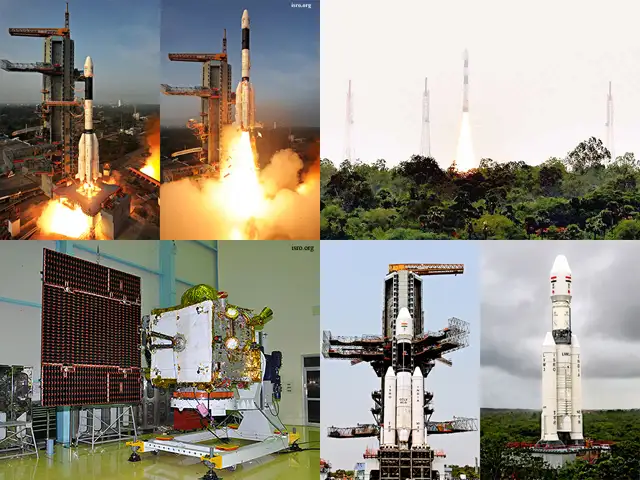
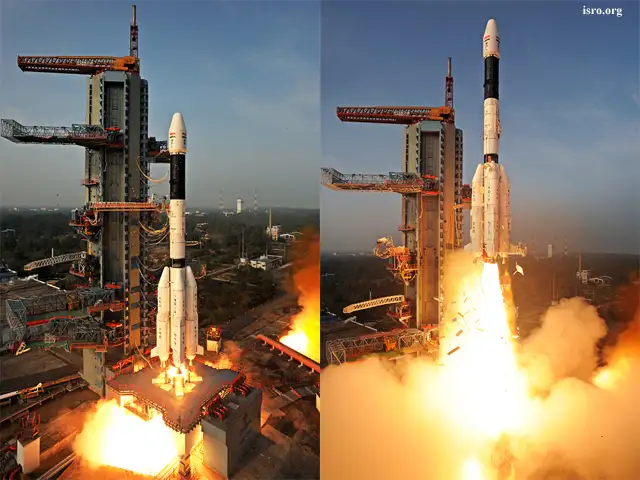
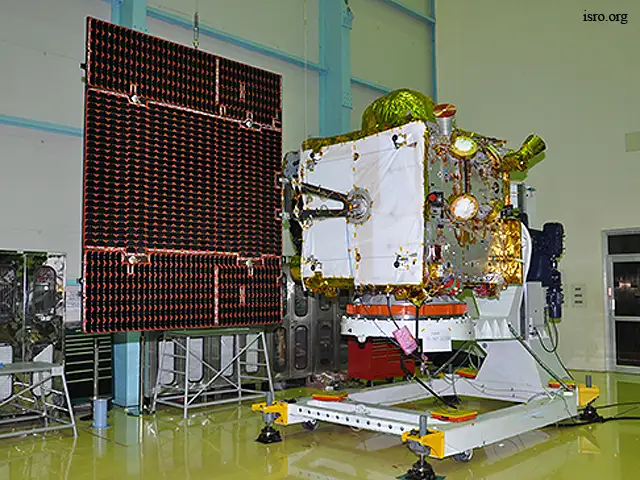
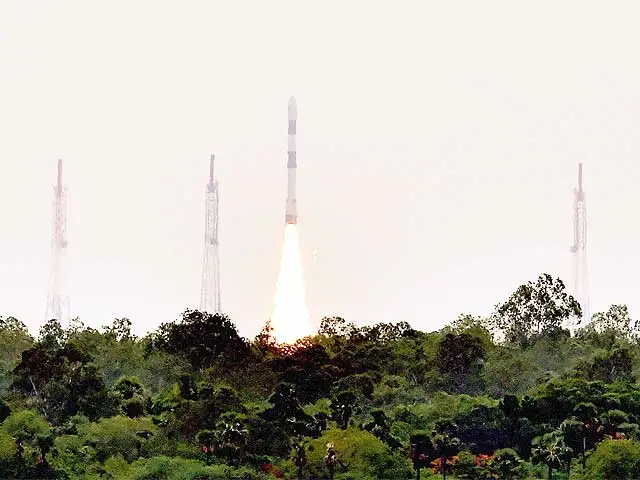
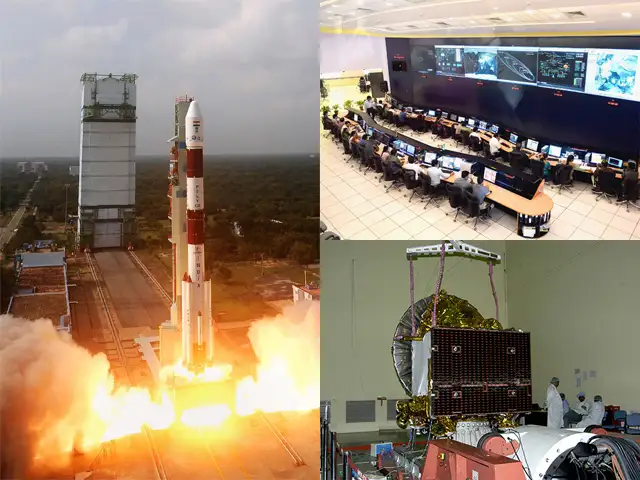
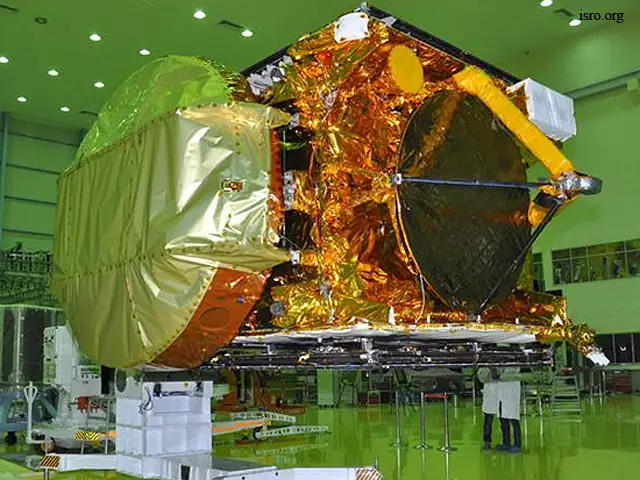
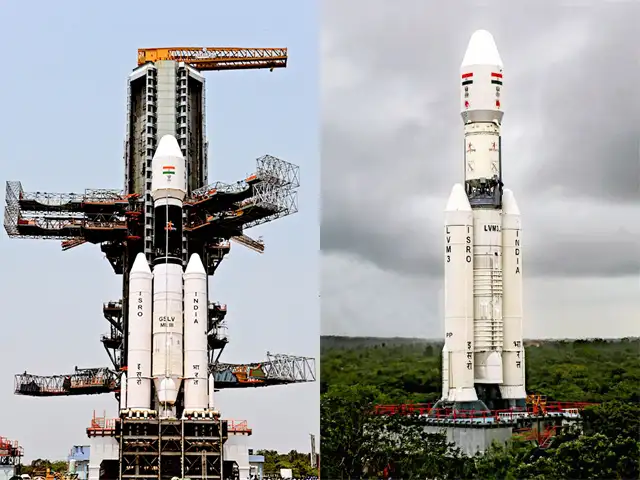
With IRSO succeeding in its first inter-planetary Mars Orbiter Mission making India the only country to achieve this feat in its maiden attempt, 2014 was not only momentous but a very busy year for the space sector.
We take a look at six special milestones that ISRO achieved:
With IRSO succeeding in its first inter-planetary Mars Orbiter Mission making India the only country to achieve this feat in its maiden attempt, 2014 was not only momentous but a very busy year for the space sector.
We take a look at six special milestones that ISRO achieved:

ADVERTISEMENT


