
Astronomers spot possible signs of microbial life on Venus's clouds
1/5
The clue
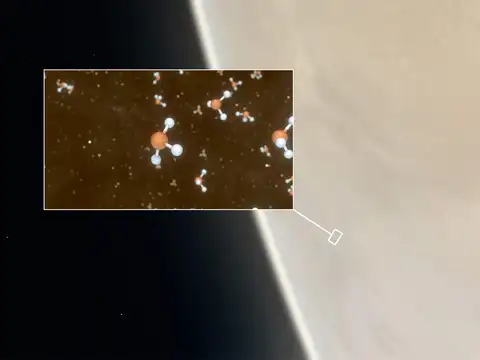
Scientists on Monday announced the discovery of a rare molecule -- phosphine -- in the clouds of Venus. This, they said, is a possible hint of microbial life in the atmosphere of our neighbouring planet.

2/5
What's phosphine?
As per National Geographic, phosphine can only be found in rocky planets like Earth and Venus. Also, it can only be made by life - human or microbe. It can be manufactured as well. Interestingly, it was used as a chemical weapon in World War 1.

3/5
The discovery
A team of researchers first used the James Clerk Maxwell Telescope (JCMT) in Hawaii (in pic) to detect the phosphine. They were then awarded time to follow up their discovery with 45 telescopes of the Atacama Large Millimeter/submillimeter Array (ALMA) in Chile. Both facilities observed Venus at a wavelength of about 1 millimetre, much longer than the human eye can see -- only telescopes at high altitude can detect this wavelength effectively.
Amazon Top Deals
POWERED BY

Crompton Ozone 75 Litres Desert Air Cooler for home | Large & Easy Clean Ice Chamber | 4-Way Air Deflection | High Density Honeycomb Pads | Everlast Pump | Auto Fill| 3 Year Brand Warranty
₹9,798Buy Now43%
OFF

LG 32 L Convection Microwave Oven (MC3286BRUM, Black, 360° Motorised Rotisserie for Bar-be-queing, 301 Auto Cook Menu, Stainless steel cavity, Indian Cuisine, Tandoor Se, Steam Clean & Diet Fry)
₹19,090Buy Now20%
OFF
4/5
Aerial life likely
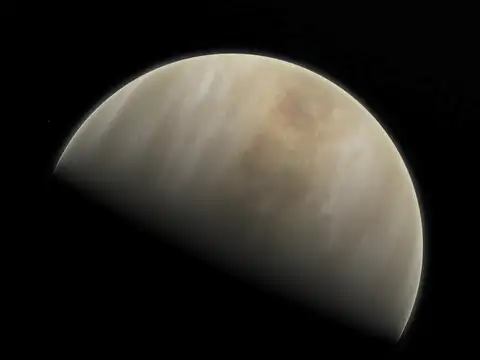
Researchers have speculated for decades that high clouds on Venus could offer a home for microbes -- floating free of the scorching surface, but still needing to tolerate very high acidity. The detection of phosphine molecules, which consist of hydrogen and phosphorus, could point to this extra-terrestrial 'aerial' life, according to the research published in the journal in Nature Astronomy.
5/5
Don't get too excited
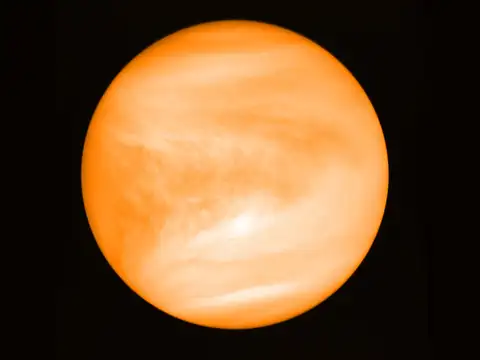
Venus, which is about the same size as Earth, was earlier expected to offer a second home for humans in the solar system. However, early science observations put cold water on those hopes. With a surface blazing at 900 degrees Fahrenheit and with clouds of sulfuric acid, Venus is literally a hellhole.