Another leap in space: India to test reusable vehicle in March
The Indian Space Research Organisation will fly a reusable launch vehicle (RLV) this March as a technology demonstration.
By Arun Ram, TNN | Updated:

MUMBAI: The Indian Space Research Organisation will fly a reusable launch vehicle (RLV) this March as a technology demonstration. This will be the first step towards developing a full-fledged vehicle that can go to space, inject an orbiter and come back to land.
Reusable vehicles reduce the cost of satellite launches by up to ten times. Moreover, in future, a much developed version of the vehicle could be used for manned missions.
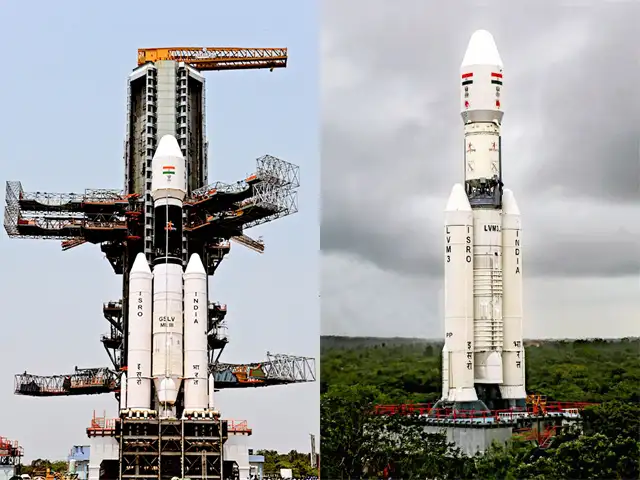
Vikram Sarabhai Space Centre deputy director S Somanath said Isro has completed ground tests on the vehicle and is in the final phase of conducting a hypersonic test flight and landing in water. "It will be a winged vehicle that will take off vertically like a rocket and glide back to land horizontally like a plane," said Somanath, who is also the project director for GSLV MkIII, the biggest rocket from Isro's stables.
Fitted with solid strap-on thrusters similar to the ones used in PSLVs, the reusable vehicle will fly at five times the speed of sound (mach 3) to reach an altitude of more than 100km. This would last for barely five minutes. After activating its fin and wing controls, the vehicle will glide a bit before starting its descent. "In about 20 minutes after lift-off from Sriharikota, it would land in the Bay of Bengal, close to the shore," Somanath said.
The water landing is planned because India doesn't have a long enough runway. "We need at least a 5km runway. The longest of runways in the country is only 2km,"the scientist said. "We have enough land at Sriharikota for a runway, but this has to be sanctioned and funded for development.
The next experiment would be to land the vehicle on a 2km runway after releasing it from an aircraft from a height of about 5km. The third step would be to take it to a higher altitude and try the ground landing. "As the next step, we would try an air-breaking engine which is under development at Isro," Somanath said.
The multiple demonstration missions will lead to what Isro envisions as a 'two stage to orbit (TSTO) fully reusable vehicle. While India spends Rs300 crore upwards for satellite launches, reusable vehicles hold the key to more affordable launches. Today putting a 1kg object in space costs about $5000. "This should be brought down to at least $500. And reusable vehicles are the answer," said Somanath.
The US and Russia, which put human beings in space as early as in the 1960s, are also working on futuristic reusable vehicles for satellite launches.
Reusable vehicles reduce the cost of satellite launches by up to ten times. Moreover, in future, a much developed version of the vehicle could be used for manned missions.
Vikram Sarabhai Space Centre deputy director S Somanath said Isro has completed ground tests on the vehicle and is in the final phase of conducting a hypersonic test flight and landing in water. "It will be a winged vehicle that will take off vertically like a rocket and glide back to land horizontally like a plane," said Somanath, who is also the project director for GSLV MkIII, the biggest rocket from Isro's stables.
Fitted with solid strap-on thrusters similar to the ones used in PSLVs, the reusable vehicle will fly at five times the speed of sound (mach 3) to reach an altitude of more than 100km. This would last for barely five minutes. After activating its fin and wing controls, the vehicle will glide a bit before starting its descent. "In about 20 minutes after lift-off from Sriharikota, it would land in the Bay of Bengal, close to the shore," Somanath said.
The water landing is planned because India doesn't have a long enough runway. "We need at least a 5km runway. The longest of runways in the country is only 2km,"the scientist said. "We have enough land at Sriharikota for a runway, but this has to be sanctioned and funded for development.
The next experiment would be to land the vehicle on a 2km runway after releasing it from an aircraft from a height of about 5km. The third step would be to take it to a higher altitude and try the ground landing. "As the next step, we would try an air-breaking engine which is under development at Isro," Somanath said.
ADVERTISEMENT
The multiple demonstration missions will lead to what Isro envisions as a 'two stage to orbit (TSTO) fully reusable vehicle. While India spends Rs300 crore upwards for satellite launches, reusable vehicles hold the key to more affordable launches. Today putting a 1kg object in space costs about $5000. "This should be brought down to at least $500. And reusable vehicles are the answer," said Somanath.
The US and Russia, which put human beings in space as early as in the 1960s, are also working on futuristic reusable vehicles for satellite launches.
Download
The Economic Times Business News App for the Latest News in Business, Sensex, Stock Market Updates & More.
The Economic Times Business News App for the Latest News in Business, Sensex, Stock Market Updates & More.
Download
The Economic Times News App for Quarterly Results, Latest News in ITR, Business, Share Market, Live Sensex News & More.
The Economic Times News App for Quarterly Results, Latest News in ITR, Business, Share Market, Live Sensex News & More.
Text: PTI
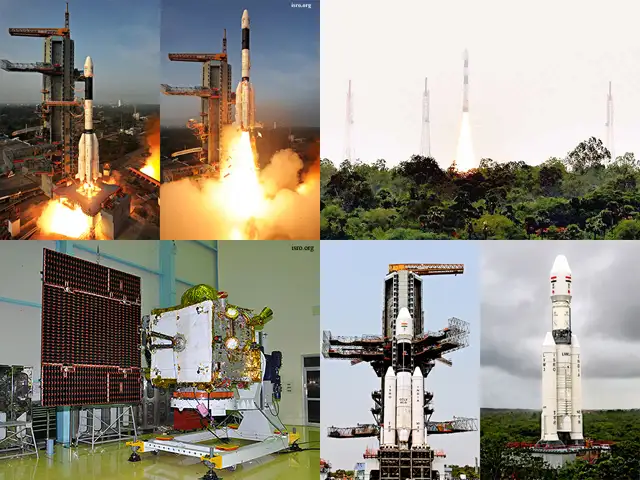
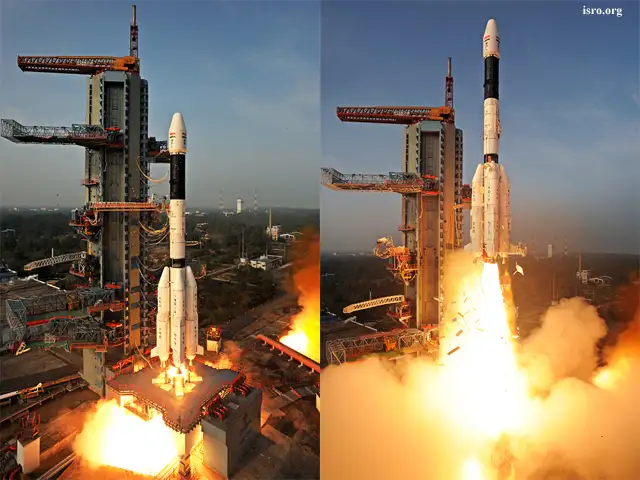
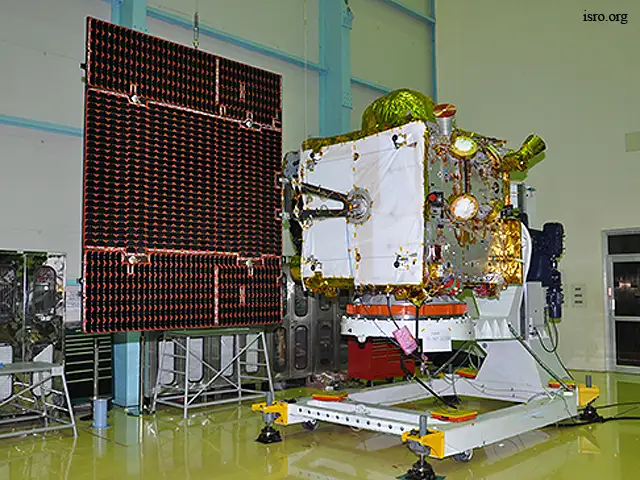
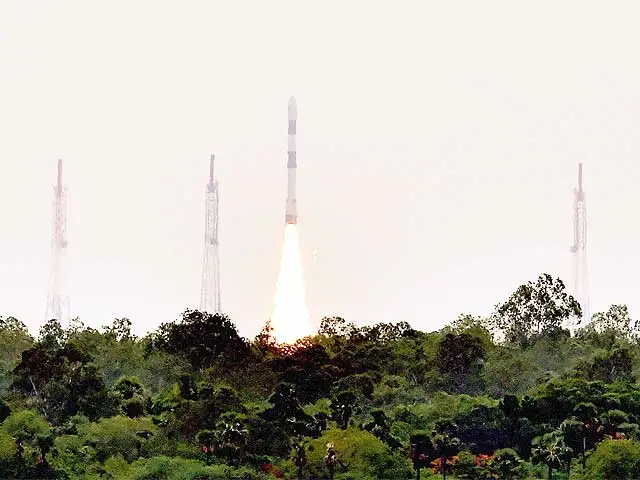
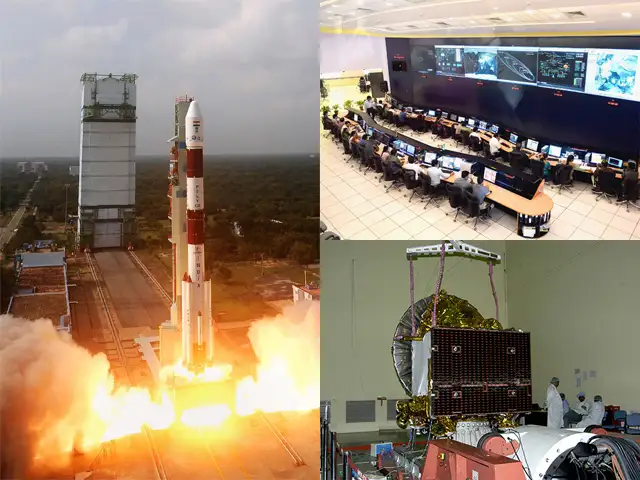
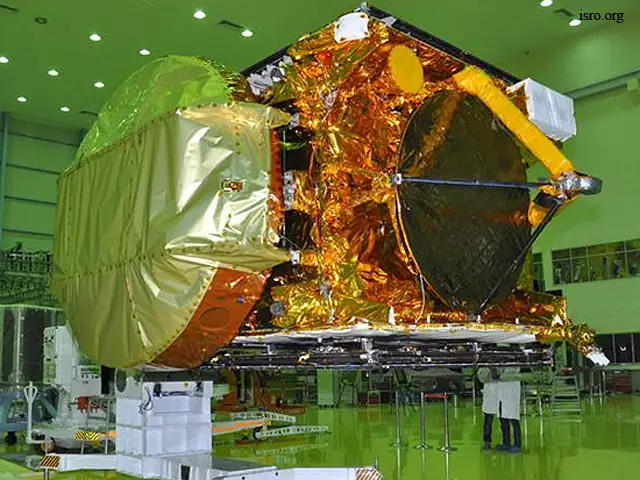
With IRSO succeeding in its first inter-planetary Mars Orbiter Mission making India the only country to achieve this feat in its maiden attempt, 2014 was not only momentous but a very busy year for the space sector.
We take a look at six special milestones that ISRO achieved:
With IRSO succeeding in its first inter-planetary Mars Orbiter Mission making India the only country to achieve this feat in its maiden attempt, 2014 was not only momentous but a very busy year for the space sector.
We take a look at six special milestones that ISRO achieved:

ADVERTISEMENT


