A packed launch schedule for ISRO after Chandrayaan-3 mission
The Indian Space Research Organisation (ISRO) has a busy schedule ahead, including the launch of a mission to study the Sun, a climate observation satellite, a test vehicle for the Gaganyaan human space flight programme, and an Indo-US synthetic a...
By PTI | Updated:

Agencies
A mission to study the Sun, and launching a climate observation satellite, a test vehicle as part of Gaganyaan human space flight programme and an Indo-US synthetic aperture radar -- ISRO has a packed schedule ahead. In addition, XPoSat (X-ray Polarimeter Satellite), the country's first dedicated polarimetry mission to study various dynamics of bright astronomical X-ray sources in extreme conditions, is also ready for launch, an ISRO official said on Tuesday.
Aditya-L1, the first space-based Indian observatory to study the Sun, is getting ready for the launch, most likely in September first week.
According to ISRO Chairman, Somanath S, the space agency has also lined up the launch of a climate observation satellite INSAT-3DS.
The launch of a test vehicle mission, for the validation of the crew escape system for Gaganyaan, the country's maiden human space flight mission, is also expected soon.
"(Then) we have to launch NISAR, the India-US built Synthetic Aperture Radar", Somanath said in his independence day address at ISRO headquarters here on August 15. "So, our hands are full."
"We are going to build a large number of satellites for our security purpose as well in the coming days," Somanath had said.
According to ISRO officials, NASA-ISRO SAR (NISAR) is a Low Earth Orbit (LEO) observatory being jointly developed by US space agency NASA and ISRO.
NISAR will map the entire globe in 12 days and provide spatially and temporally consistent data for understanding changes in Earth's ecosystems, ice mass, vegetation biomass, sea level rise, ground water and natural hazards including earthquakes, tsunamis, volcanoes and landslides, they said.
"It carries L and S dual band Synthetic Aperture Radar (SAR), which operates with Sweep SAR technique to achieve large swath with high resolution data. The SAR payloads mounted on Integrated Radar Instrument Structure (IRIS) and the spacecraft bus are together called an observatory", an ISRO official noted.
Before undertaking the Gaganyaan human space (manned) flight mission, ISRO has planned two unmanned missions.
"We are getting ready for the (first of the two) unmanned crew module mission by the beginning of next year", an ISRO official said.
The objective of the Gaganyaan mission is to demonstrate the capability of conducting human space flight mission to LEO on-board Indian Launch vehicle. The Orbital module consists of a Crew module and a Service module.
Crew module, which is a pressurised module, acts as living quarters for the crew. The orbital module will be positioned in approximately 400 km circular orbit around earth for one to 3 days & the crew module will return at the designated location at sea.
Aditya-L1, the first space-based Indian observatory to study the Sun, is getting ready for the launch, most likely in September first week.
According to ISRO Chairman, Somanath S, the space agency has also lined up the launch of a climate observation satellite INSAT-3DS.
The launch of a test vehicle mission, for the validation of the crew escape system for Gaganyaan, the country's maiden human space flight mission, is also expected soon.
"(Then) we have to launch NISAR, the India-US built Synthetic Aperture Radar", Somanath said in his independence day address at ISRO headquarters here on August 15. "So, our hands are full."
"We are going to build a large number of satellites for our security purpose as well in the coming days," Somanath had said.
ADVERTISEMENT
According to ISRO officials, NASA-ISRO SAR (NISAR) is a Low Earth Orbit (LEO) observatory being jointly developed by US space agency NASA and ISRO.
NISAR will map the entire globe in 12 days and provide spatially and temporally consistent data for understanding changes in Earth's ecosystems, ice mass, vegetation biomass, sea level rise, ground water and natural hazards including earthquakes, tsunamis, volcanoes and landslides, they said.
"It carries L and S dual band Synthetic Aperture Radar (SAR), which operates with Sweep SAR technique to achieve large swath with high resolution data. The SAR payloads mounted on Integrated Radar Instrument Structure (IRIS) and the spacecraft bus are together called an observatory", an ISRO official noted.
Before undertaking the Gaganyaan human space (manned) flight mission, ISRO has planned two unmanned missions.
ADVERTISEMENT
"We are getting ready for the (first of the two) unmanned crew module mission by the beginning of next year", an ISRO official said.
The objective of the Gaganyaan mission is to demonstrate the capability of conducting human space flight mission to LEO on-board Indian Launch vehicle. The Orbital module consists of a Crew module and a Service module.
ADVERTISEMENT
Crew module, which is a pressurised module, acts as living quarters for the crew. The orbital module will be positioned in approximately 400 km circular orbit around earth for one to 3 days & the crew module will return at the designated location at sea.
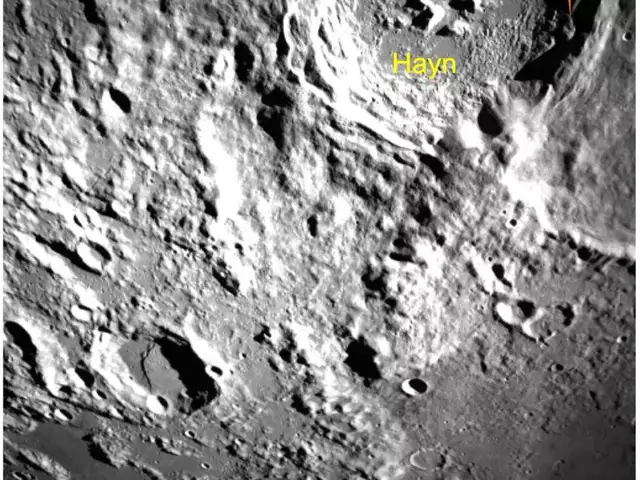
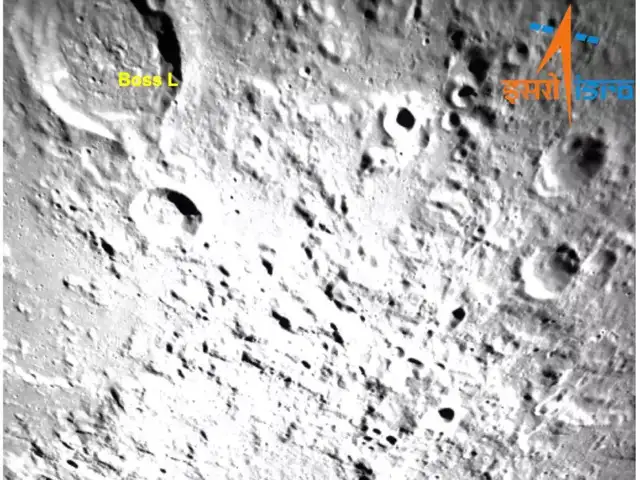
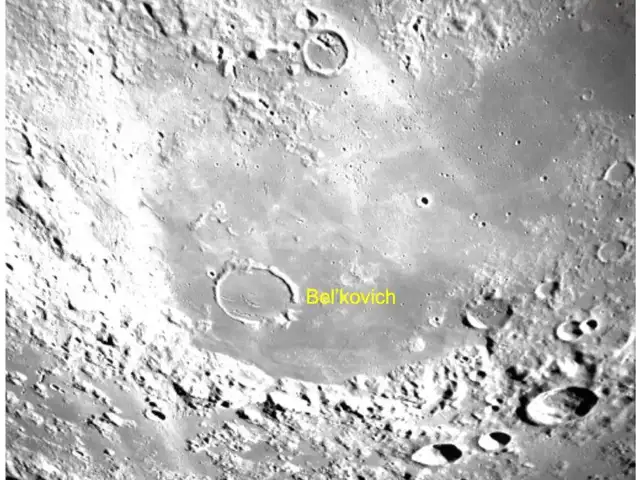
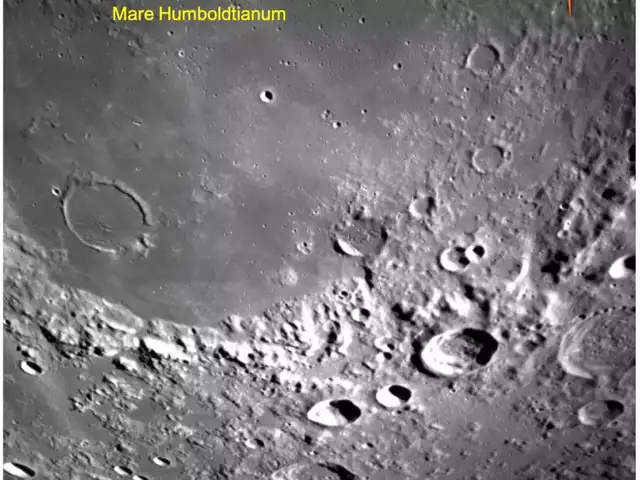
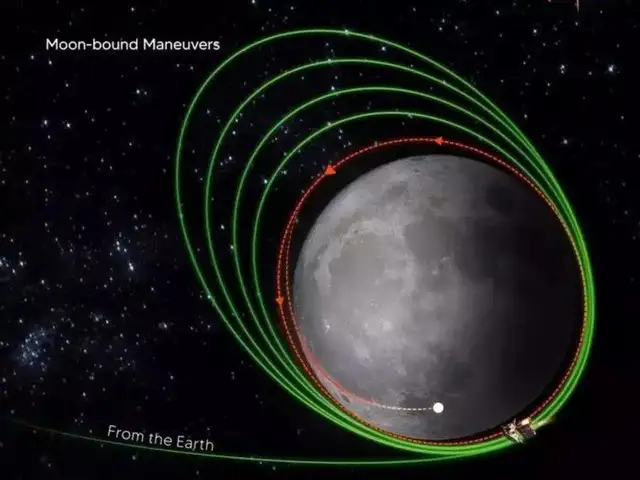
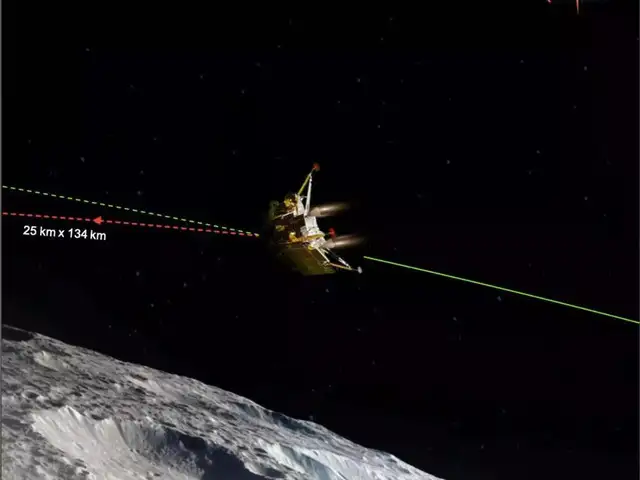
The Indian Space Research Organization (ISRO) on Monday released fresh pictures of the Vikram lander of the Chandrayaan 3 mission, determining the landing site on the moon. In a post shared on microblogging site X, two days before the landing, the ISRO shared images of the moon's far side area captured by the Lander Hazard Detection and Avoidance Camera (LHDAC). (Image: ISRO)

Download
The Economic Times Business News App for the Latest News in Business, Sensex, Stock Market Updates & More.
The Economic Times Business News App for the Latest News in Business, Sensex, Stock Market Updates & More.
Download
The Economic Times News App for Quarterly Results, Latest News in ITR, Business, Share Market, Live Sensex News & More.
The Economic Times News App for Quarterly Results, Latest News in ITR, Business, Share Market, Live Sensex News & More.
ADVERTISEMENT


