Will Angela Merkel find a Trump card in Narendra Modi?
By Indrani Bagchi, TNN |

Agencies
Highlights
- "The era in which we could fully rely on others is over to some extent. That’s what I experienced over the past several days," Merkel said.
- Merkel's meeting with the leaders of India and China this week has raised questions about the new weight being placed on these relationships.
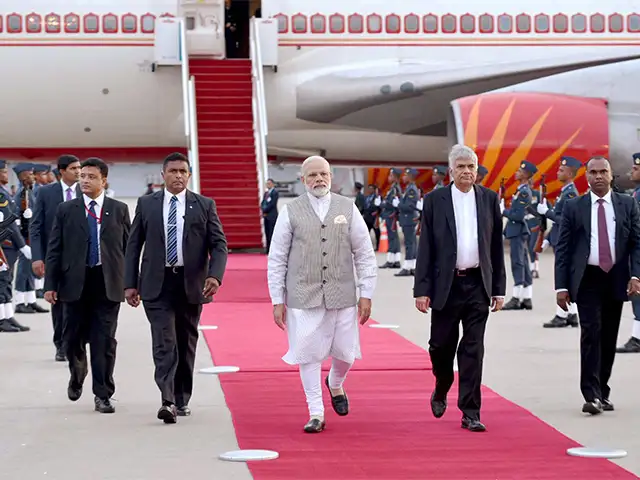
BERLIN: As PM Narendra Modi landed here on Monday evening, Chancellor Angela Merkel’s recent outburst appears to have centred attention on the Germany-India relationship.
Addressing an election rally in Munich on Sunday, Merkel said in remarks that have echoed around the world, “The era in which we could fully rely on others is over to some extent. That’s what I experienced over the past several days.”
While the obvious target of her remarks was US President Donald Trump, and the challenges presented by Trump’s potential reversal from the Paris climate accord, the fact that she is meeting the leaders of India and China this week has raised questions about the new weight being placed on these relationships.
The emphasis on the Asia relationships featured prominently at the government briefings for journalists on Monday. (The entire German government, in a unique gesture, meets the press three times every week to answer questions from the media.)
Merkel and Modi held one-on-one talks in her country retreat on Monday evening, which covered regional and global issues from climate change to Afghanistan and terrorism.
Modi has clarified that India would continue on its path towards a cleaner future, regardless of what the US does. A similar message has come from China. Chinese Premier Li Keqiang will be in Berlin on Wednesday, hours after Modi’s visit, to work with Germany. Senior government sources said Germany would not make their ties with India and China a “zero-sum game”. However, it would be hard not to compare the two.
Germany reckons that in a fair competition, German companies would have a good chance of winning contracts in OBOR projects. China, while professing free trade, has shown all signs of reserving these projects for Chinese companies.
But it’s too soon to imagine that Germany would be pivoting away from its Atlantic relationship. As the German government spokesperson said on Monday, Merkel remained a committed Atlanticist. “Because transatlantic relations are so important to the chancellor, she also believes that it’s the right thing to do to frankly point out differences — like those that emerged during the last couple of days,” spokesman Steffen Seibert said at a press briefing.
“The chancellor’s words were clear and understandable and speak for themselves,” Seibert said. “They were the words of a most deeply committed Atlanticist.”
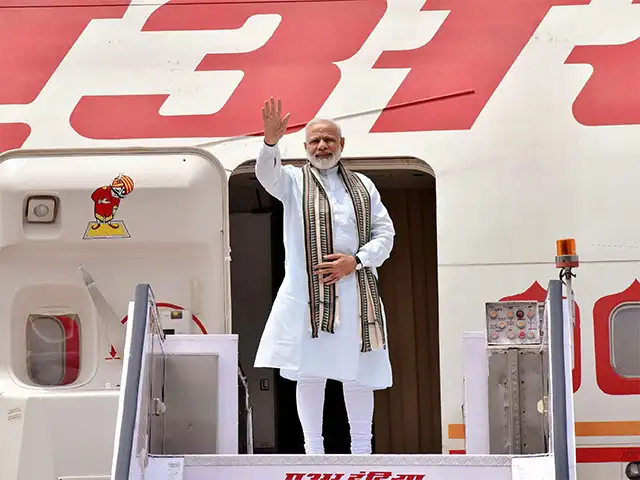
Prime Minister Narendra Modi just arrived in Germany on the first leg of his four-nation tour.
PM Narendra Modi's aggressive foreign policy moves require him to travel around the globe but that doesn't deter him from giving attention to matters in India. The PM has mastered few travelling habits to optimise time and turn the world into his office. It's his third year as PM but he has not changed his travel style.
Addressing an election rally in Munich on Sunday, Merkel said in remarks that have echoed around the world, “The era in which we could fully rely on others is over to some extent. That’s what I experienced over the past several days.”
While the obvious target of her remarks was US President Donald Trump, and the challenges presented by Trump’s potential reversal from the Paris climate accord, the fact that she is meeting the leaders of India and China this week has raised questions about the new weight being placed on these relationships.
The emphasis on the Asia relationships featured prominently at the government briefings for journalists on Monday. (The entire German government, in a unique gesture, meets the press three times every week to answer questions from the media.)
Merkel and Modi held one-on-one talks in her country retreat on Monday evening, which covered regional and global issues from climate change to Afghanistan and terrorism.
Modi has clarified that India would continue on its path towards a cleaner future, regardless of what the US does. A similar message has come from China. Chinese Premier Li Keqiang will be in Berlin on Wednesday, hours after Modi’s visit, to work with Germany. Senior government sources said Germany would not make their ties with India and China a “zero-sum game”. However, it would be hard not to compare the two.
ADVERTISEMENT
For one thing, the Germany-China economic relationship is pretty deep, though both sides have been locked into long-running negotiations on an investment and trade pact, like India. Germany was much more China-positive, but this tide appears to have turned in recent years as it has expressed reservations about China’s predatory trading practices. Although Germany sent an official-level delegation to the OBOR summit, it has asked for the OBOR process to be made more transparent, in accordance with WTO. Germany reckons that in a fair competition, German companies would have a good chance of winning contracts in OBOR projects. China, while professing free trade, has shown all signs of reserving these projects for Chinese companies.
But it’s too soon to imagine that Germany would be pivoting away from its Atlantic relationship. As the German government spokesperson said on Monday, Merkel remained a committed Atlanticist. “Because transatlantic relations are so important to the chancellor, she also believes that it’s the right thing to do to frankly point out differences — like those that emerged during the last couple of days,” spokesman Steffen Seibert said at a press briefing.
“The chancellor’s words were clear and understandable and speak for themselves,” Seibert said. “They were the words of a most deeply committed Atlanticist.”
ADVERTISEMENT
The Germany-India relationship, according to sources in India and Germany, would need a lot of work, particularly from India. If Merkel is troubled by Trump’s retreat from free trade ideals, Germany’s beef with India is that New Delhi is not yet committed to free trade. The issues with India’s trade policies will come up for airing on Tuesday when Modi and Merkel address a session of CEOs as part of the inter-governmental consultations.PM Narendra Modi's aggressive foreign policy moves require him to travel around the globe but that doesn't deter him from giving attention to matters in India. The PM has mastered few travelling habits to optimise time and turn the world into his office. It's his third year as PM but he has not changed his travel style.

Download
The Economic Times Business News App for the Latest News in Business, Sensex, Stock Market Updates & More.
The Economic Times Business News App for the Latest News in Business, Sensex, Stock Market Updates & More.
Download
The Economic Times News App for Quarterly Results, Latest News in ITR, Business, Share Market, Live Sensex News & More.
The Economic Times News App for Quarterly Results, Latest News in ITR, Business, Share Market, Live Sensex News & More.
ADVERTISEMENT


