Vajpayee's state funeral at Smriti Sthal; 7 day mourning declared, flag to be flown at half mast
It has been decided that seven days of state mourning will be observed throughout India from August 16-22, both days inclusive.
By PTI | Updated:

BCCL
The last rites of former prime minister Atal Bihari Vajpayee will take place at 4 pm tomorrow at Rashtriya Smriti Sthal here, BJP chief Amit Shah said today. The government also announced a seven-day state mourning as a mark of respect for former prime minister Atal Bihari Vajpayee who passed away today.
In a circular, the Home Ministry also said national flag would be flown at half mast from today for seven days across India and a state funeral would be accorded to Vajpayee.
"As a mark of respect to the departed dignitary, it has been decided that seven days of state mourning will be observed throughout India from August 16-22, both days inclusive.
"During this period, the national flag will be flown at half mast throughout India where it is regularly flown and there will be no official entertainment during the period of the state mourning," the Home Ministry said.
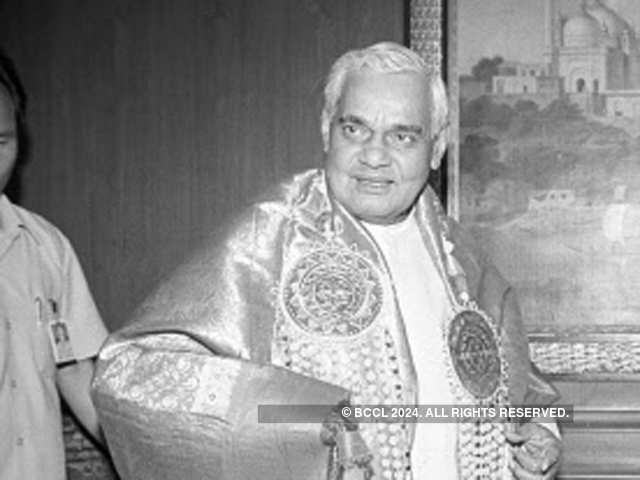
The government has also decided that the state funeral would be accorded to the former prime minister. The national flag would also fly half mast on the day of the funeral in all Indian missions abroad.
The body would then be taken to the BJP headquarters at Deen Dayal Upadhyay Marg at around 9 am, he told reporters outside the late leader's residence. The funeral procession would leave the BJP headquarters at 1 pm and the last rites would be performed at 4 pm, he said.
The Smriti Sthal is a common memorial site that was proposed following concerns over shrinking land resources in the capital.
The last rites would be performed on an elevated platform which is surrounded by greenery.
Former prime minister I K Gujral was also cremated at the Smriti Sthal on the banks of river Yamuna in December 2012.
In a circular, the Home Ministry also said national flag would be flown at half mast from today for seven days across India and a state funeral would be accorded to Vajpayee.
"As a mark of respect to the departed dignitary, it has been decided that seven days of state mourning will be observed throughout India from August 16-22, both days inclusive.
"During this period, the national flag will be flown at half mast throughout India where it is regularly flown and there will be no official entertainment during the period of the state mourning," the Home Ministry said.
Born in a humble school teacher's family on December 25, 1924, in Gwalior Madhya Pradesh, Vajpayee entered politics during the Quit India movement in 1942. He did his graduation and post graduation in Political Science from Victoria College in Gwalior.
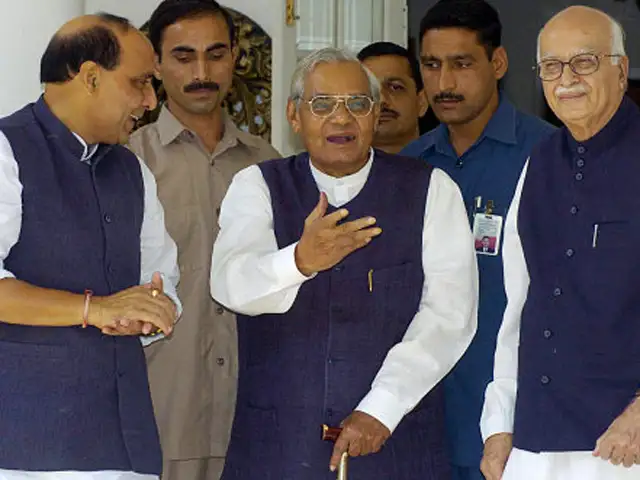
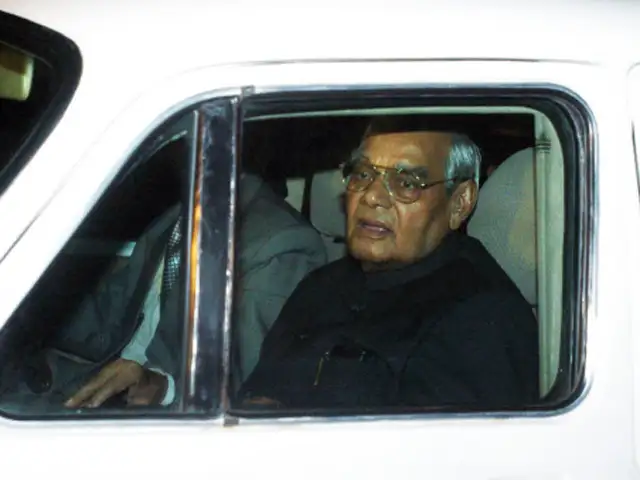
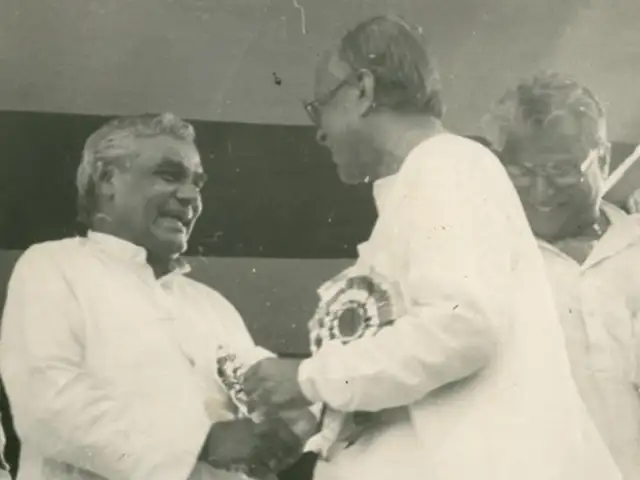
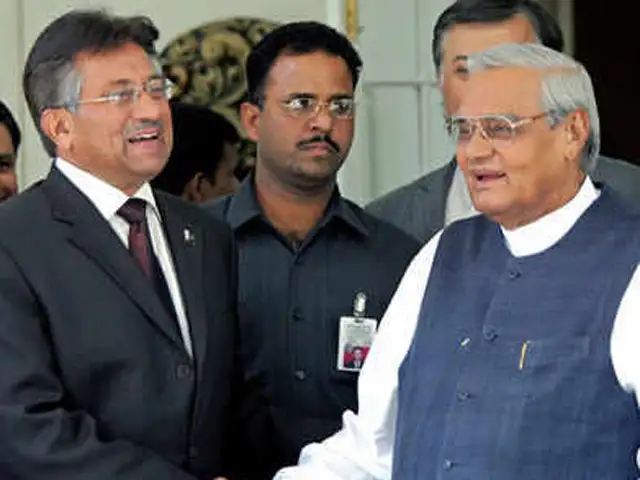
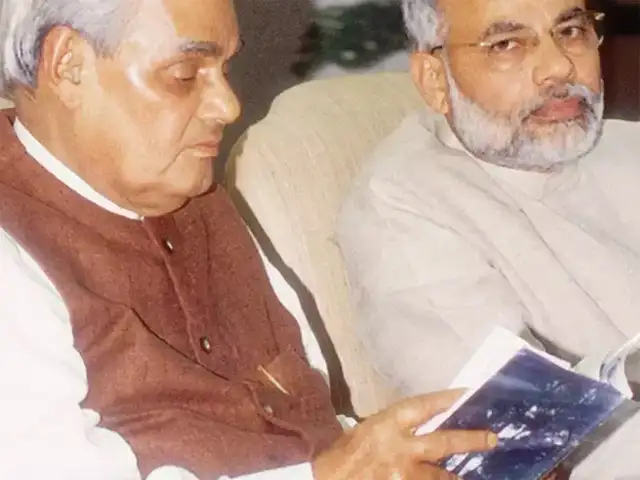
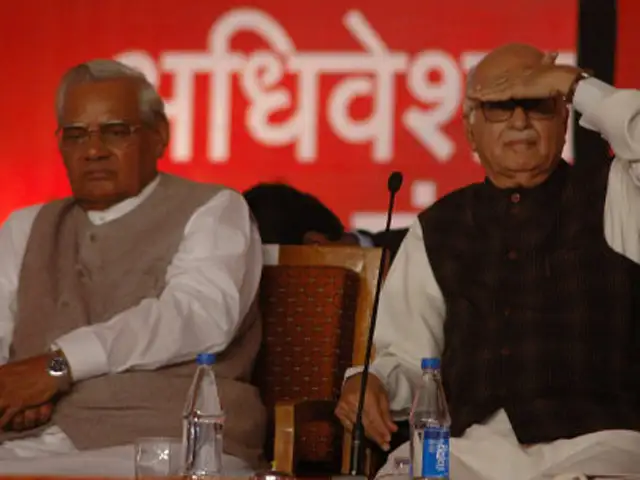

The government has also decided that the state funeral would be accorded to the former prime minister. The national flag would also fly half mast on the day of the funeral in all Indian missions abroad.
ADVERTISEMENT
The body of the BJP veteran has been kept at his official residence - 6 A Krishna Menon Marg. Shah said people can pay homage to the departed leader at his residence from 7.30 am to 8.30 am tomorrow.The body would then be taken to the BJP headquarters at Deen Dayal Upadhyay Marg at around 9 am, he told reporters outside the late leader's residence. The funeral procession would leave the BJP headquarters at 1 pm and the last rites would be performed at 4 pm, he said.
The Smriti Sthal is a common memorial site that was proposed following concerns over shrinking land resources in the capital.
The last rites would be performed on an elevated platform which is surrounded by greenery.
ADVERTISEMENT
Smriti Sthal is located between Jawaharlal Nehru's memorial 'Shanti Van' and Lal Bahadur Shastri's 'Vijay Ghat'.Former prime minister I K Gujral was also cremated at the Smriti Sthal on the banks of river Yamuna in December 2012.
ADVERTISEMENT
The 93-year-old leader passed away today at AIIMS here.Download
The Economic Times Business News App for the Latest News in Business, Sensex, Stock Market Updates & More.
The Economic Times Business News App for the Latest News in Business, Sensex, Stock Market Updates & More.
Download
The Economic Times News App for Quarterly Results, Latest News in ITR, Business, Share Market, Live Sensex News & More.
The Economic Times News App for Quarterly Results, Latest News in ITR, Business, Share Market, Live Sensex News & More.
Related Articles
 West Bengal CM Mamata Banerjee says Atal Bihari Vajpayee’s official birth date was not December 252025-11-11T14:17:13Z
- PM Modi to lead panel on Atal Bihari Vajpayee’s 100th birth anniversary2025-08-25T18:52:24Z
- PM Modi pays floral tributes to Atal Bihari Vajpayee on his death anniversary at 'Sadaiv Atal'2025-08-16T03:40:52Z
ADVERTISEMENT


