US pushes India to ink contentious defence pacts LSA, CISMOA and BECA
The US says CISMOA and BECA are basically "technology enablers" which will allow it to transfer high-tech avionics and electronics to India.
By TNN | Updated:

NEW DELHI: Describing the bilateral Defence Trade and Technology Initiative ( DTTI) as a "vehicle" for closer strategic ties, the US has once again stressed the need for India to ink the three military "foundational" pacts it has been pushing for over a decade now.
Under the UPA regime, India had made it clear it did not want to ink the three pacts, which are Logistics Support Agreement (LSA), Communication Interoperability and Security Memorandum Agreement ( CISMOA) and Basic Exchange and Cooperation Agreement for Geo-Spatial Cooperation (BECA). But with the Modi government coming to power last year, the US has renewed its efforts on this front, as earlier reported by TOI.
On Thursday, after another round of the DTTI co-chaired by defence production secretary G Mohan Kumar and US undersecretary of defence Frank Kendall, US officials said if India did not sign the pacts, it would become "an issue" at some point in the future as the two countries worked on high-end defence technology.
Though Kendall stressed the pacts were not directly linked to DTTI, his colleague deputy assistant secretary (defence trade controls) Kenneth Handelman said they would become necessary in the long run. "DTTI has progressed in the absence of the foundational agreements...but at some point the foundational agreements are going to be an issue whether it's the LSA or CISMOA," he said.
The US says CISMOA and BECA are basically "technology enablers" which will allow it to transfer high-tech avionics and electronics to India. The LSA, modelled on the Acquisition and Cross-Servicing Agreements the US has inked with scores of countries, in turn, envisages the two militaries providing logistic support, refuelling and berthing facilities for each other's warships and aircraft on a barter or an equal-value exchange basis.
The US has earlier given "non-papers" - informal discussion papers - on the pacts to the UPA government but nothing came out of them, even though India agreed in 2009 to the End-Use Monitoring Agreement (EUMA) for the defence equipment it was buying from America.
As for the DTTI, India and the US had agreed to begin co-development and co-production of four modest "pathfinder projects" as well as explore development of aircraft carrier technologies and jet engines under it during Barack Obama's visit here last month.
The pathfinder products are the Raven mini unmanned aerial vehicles (UAVs), "roll-on, roll-off" mission modules for C-130J Super Hercules aircraft, mobile electric hybrid power sources, and chemical-biological warfare protection gear for soldiers.
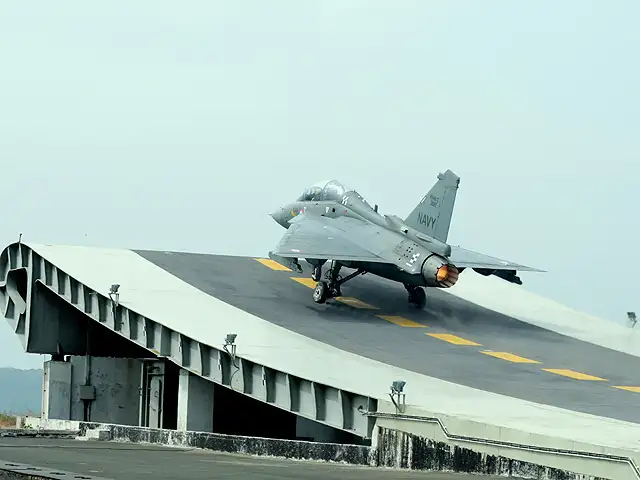
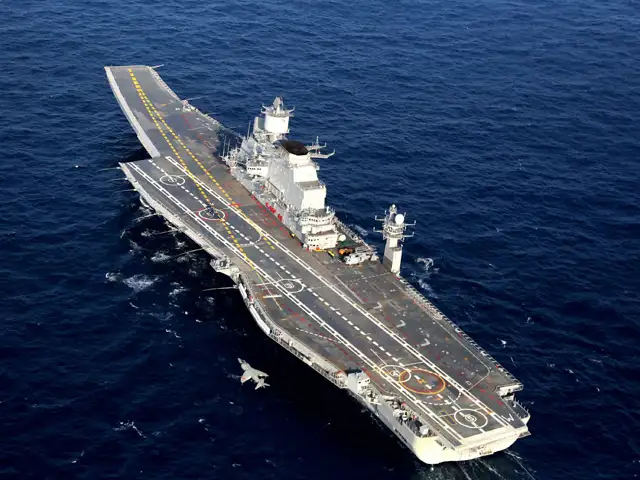
With India trying to finalize the plan to construct a 65,000-tonne aircraft carrier, INS Vishal, it has also asked the US to share technology for EMALS (electromagnetic aircraft launch systems). This will be important since India wants the proposed carrier to have CATOBAR (catapult assisted take-off but arrested recovery) configuration for launching fighters as well as heavier aircraft from its deck.
Under the UPA regime, India had made it clear it did not want to ink the three pacts, which are Logistics Support Agreement (LSA), Communication Interoperability and Security Memorandum Agreement ( CISMOA) and Basic Exchange and Cooperation Agreement for Geo-Spatial Cooperation (BECA). But with the Modi government coming to power last year, the US has renewed its efforts on this front, as earlier reported by TOI.
On Thursday, after another round of the DTTI co-chaired by defence production secretary G Mohan Kumar and US undersecretary of defence Frank Kendall, US officials said if India did not sign the pacts, it would become "an issue" at some point in the future as the two countries worked on high-end defence technology.
Though Kendall stressed the pacts were not directly linked to DTTI, his colleague deputy assistant secretary (defence trade controls) Kenneth Handelman said they would become necessary in the long run. "DTTI has progressed in the absence of the foundational agreements...but at some point the foundational agreements are going to be an issue whether it's the LSA or CISMOA," he said.
The US says CISMOA and BECA are basically "technology enablers" which will allow it to transfer high-tech avionics and electronics to India. The LSA, modelled on the Acquisition and Cross-Servicing Agreements the US has inked with scores of countries, in turn, envisages the two militaries providing logistic support, refuelling and berthing facilities for each other's warships and aircraft on a barter or an equal-value exchange basis.
The US has earlier given "non-papers" - informal discussion papers - on the pacts to the UPA government but nothing came out of them, even though India agreed in 2009 to the End-Use Monitoring Agreement (EUMA) for the defence equipment it was buying from America.
ADVERTISEMENT
As for the DTTI, India and the US had agreed to begin co-development and co-production of four modest "pathfinder projects" as well as explore development of aircraft carrier technologies and jet engines under it during Barack Obama's visit here last month.
The pathfinder products are the Raven mini unmanned aerial vehicles (UAVs), "roll-on, roll-off" mission modules for C-130J Super Hercules aircraft, mobile electric hybrid power sources, and chemical-biological warfare protection gear for soldiers.
With India trying to finalize the plan to construct a 65,000-tonne aircraft carrier, INS Vishal, it has also asked the US to share technology for EMALS (electromagnetic aircraft launch systems). This will be important since India wants the proposed carrier to have CATOBAR (catapult assisted take-off but arrested recovery) configuration for launching fighters as well as heavier aircraft from its deck.
Download
The Economic Times Business News App for the Latest News in Business, Sensex, Stock Market Updates & More.
The Economic Times Business News App for the Latest News in Business, Sensex, Stock Market Updates & More.
Download
The Economic Times News App for Quarterly Results, Latest News in ITR, Business, Share Market, Live Sensex News & More.
The Economic Times News App for Quarterly Results, Latest News in ITR, Business, Share Market, Live Sensex News & More.
Related Articles
 White House set to host weapons makers as US defence stockpile worry grows2026-06-23T02:02:02Z
- Israeli defence officials' India visit to deepen strategic ties: IMOD2026-06-22T17:11:49Z
- Two Trades for Today: A defence major for a 6.05% rise, a mid-cap FMCG sector stock for a 7% upmove2026-06-22T16:26:29Z
Economictimes.com & Agencies
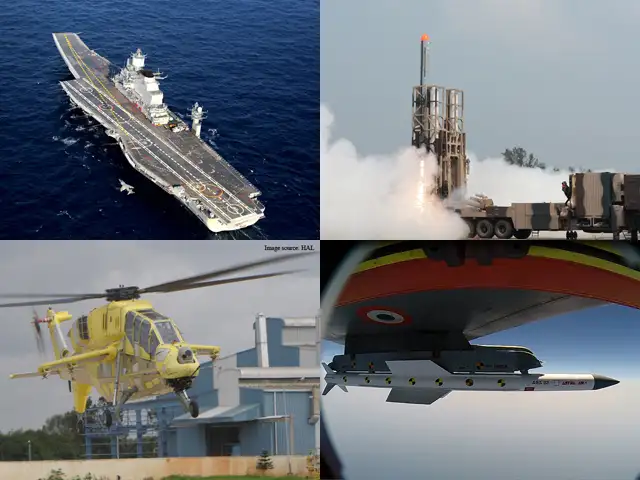
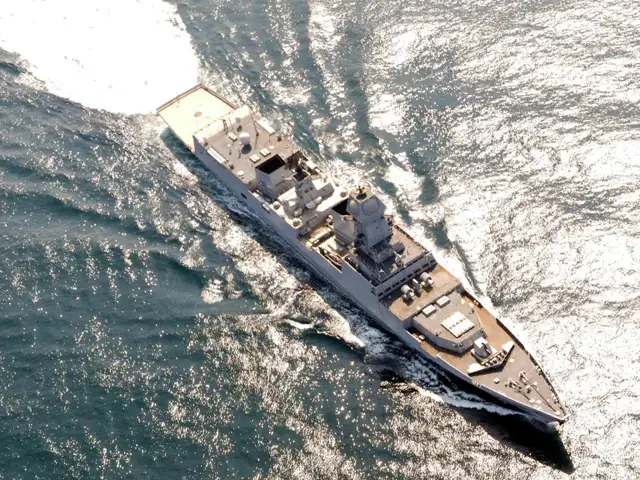
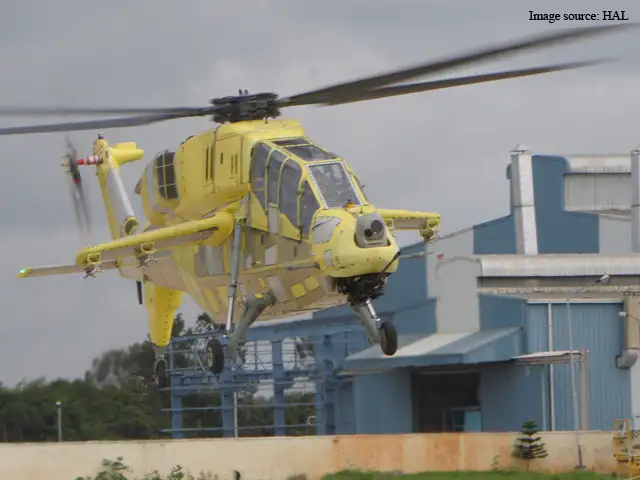
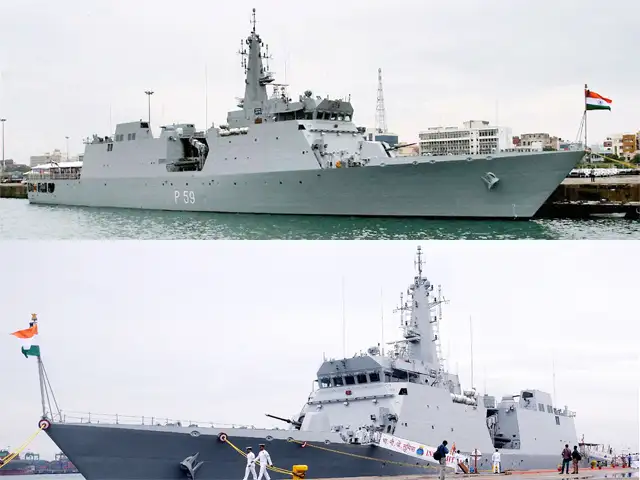
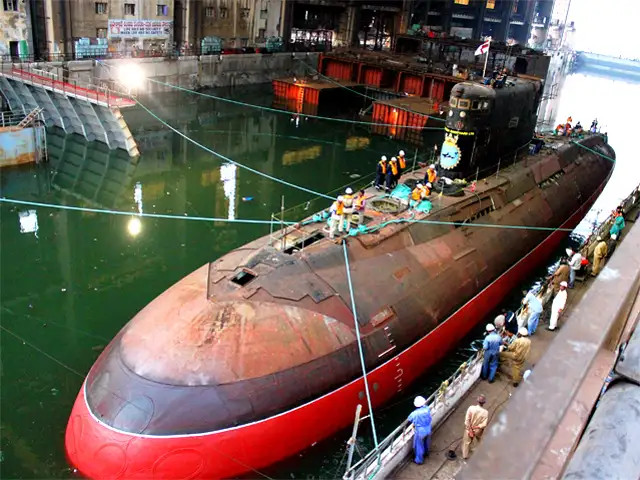
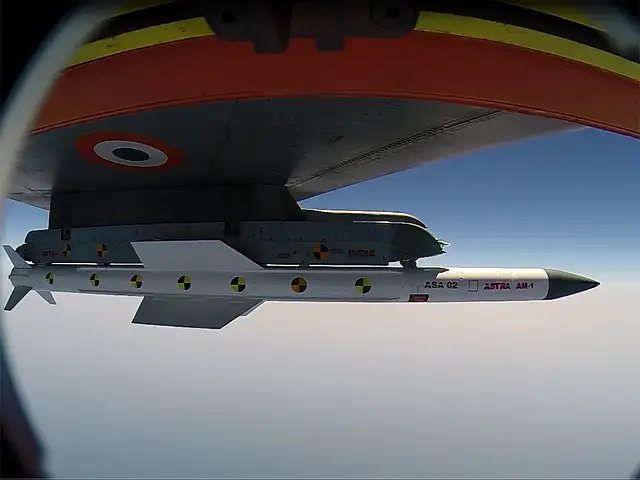
The need to have robust defence capabilities in today's day and age cannot be overstated. India has been aggressively pushing to enhance its ability to deter attacks and up its defence prowess.
2014 saw multiple steps being taken in that direction and India saw many new additions to its defence fleet. We take a look at eight achievements that deserve a special mention:
The need to have robust defence capabilities in today's day and age cannot be overstated. India has been aggressively pushing to enhance its ability to deter attacks and up its defence prowess.
2014 saw multiple steps being taken in that direction and India saw many new additions to its defence fleet. We take a look at eight achievements that deserve a special mention:

ADVERTISEMENT


