
Tibetan Uprising Day: Tibet supporters in India mark 60 years since uprising
1/3
Threatening co-existence
The Dalai Lama -- chosen at the age of two in 1937 as the 14th incarnation of Tibetan Buddhism's supreme religious leader -- was enthroned as head of state after the Chinese invasion.
His co-existence with the Beijing authorities was tense and when the Chinese authorities summoned him to an event without his bodyguards on March 10, Tibetans feared a trap that could endanger their leader.
Thousands of his supporters assembled at his summer palace to prevent him from leaving; thousands more demonstrated in Lhasa to demand the Chinese depart, the Dalai Lama would later say.
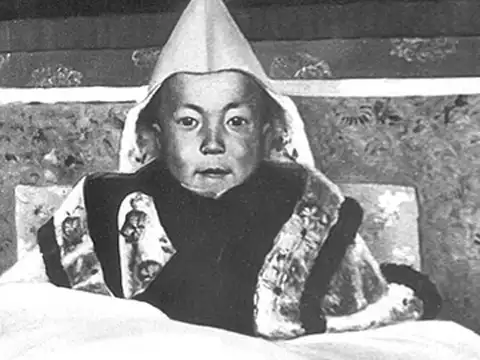
(In pic: Young 14th Dalai Lama in Tibet)
His co-existence with the Beijing authorities was tense and when the Chinese authorities summoned him to an event without his bodyguards on March 10, Tibetans feared a trap that could endanger their leader.
Thousands of his supporters assembled at his summer palace to prevent him from leaving; thousands more demonstrated in Lhasa to demand the Chinese depart, the Dalai Lama would later say.
(In pic: Young 14th Dalai Lama in Tibet)

2/3
Demand of autonomy for Tibet
The Dalai Lama formed a government-in-exile, headquatered in Dharamsala, and demanded autonomy for Tibet, a decades-long quest that would earn him worldwide respect as a figure of non-violence. He won the Nobel Prize in 1989.
He remains a thorn in the side to China, which adamantly rejects any suggestion of Tibetan autonomy and blacklisted the Dalai Lama as a dangerous "separatist".
(In pic: The Dalai Lama receiving Nobel Peace Prize in 1989)
He remains a thorn in the side to China, which adamantly rejects any suggestion of Tibetan autonomy and blacklisted the Dalai Lama as a dangerous "separatist".
(In pic: The Dalai Lama receiving Nobel Peace Prize in 1989)
3/3
Beijing's defence
Beijing continues to be accused of political and religious repression in the region, but insists Tibetans enjoy extensive freedoms and that it has brought economic growth.
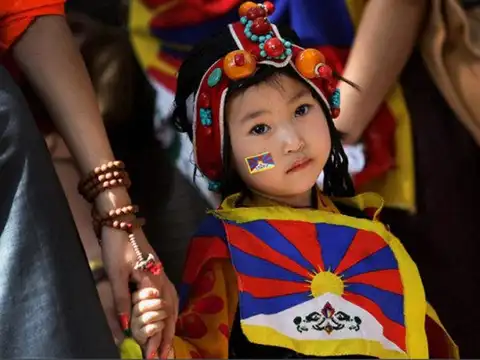
(In pic: Tibetan girl with traditional head gear and Tibet's national flag on chest)
(In pic: Tibetan girl with traditional head gear and Tibet's national flag on chest)