This is how the economy of Jallikattu works
Bull-taming sport of Jallikattu not only supports rural economy in various small ways but can also have far-reaching implications for global dairy business.
By ET Online | Updated:

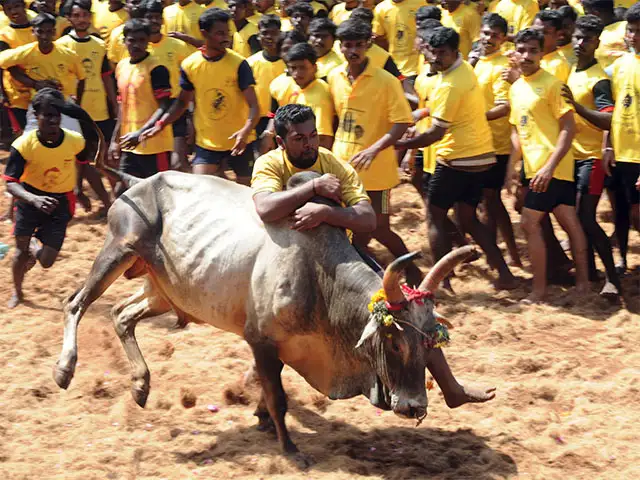
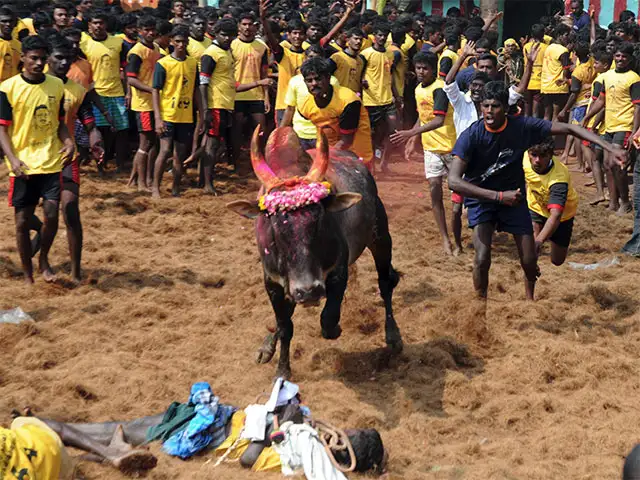
NEW DELHI: Jallikattu, the bull-taming sport of Tamil Nadu banned by the Supreme Court due to cruelty to the animals, is not just a folk sport. It has spawned an economy of its own in rural parts of the state that has far-reaching implications.
Below are the ways the economy and business of Jallikattu works:
Bulls as an asset class
Bulls that are reared for Jallikattu are an asset class of sorts. For instance, a poor farmer buys a bull calf for Rs 15,000. He raises it to make it strong. The feeding and maintenance of the bull costs him nearly Rs. 300 a day. The calf matures after one-and-a-half years. If the farmer makes it perform in Jallikattus, he can win prizes if it performs well. That also raises its price to a few lakhs. Good bulls provide a very high return on investment.
How the ban affected prices
The Supreme Court's decision to ban Jallikattu has brought down prices of the sport bulls. From Rs 2 lakh to Rs 3 lakh, they began selling at mere Rs 5,000.
Read Also: Jallikattu: Red flag over Tamil Nadu but what the fight really is for?
What's the harm if sport bulls are not reared?
Apart from the cultural angle, there is a small economy involved. Rearing of sport bulls not only give small farmers and the rural poor a chance to make a low investment in a calf and get a big return if it performs well in a Jallikattu; rearing a Jallikattu bull also supports a range of rural poor who make accessories for the bull. Since a Jallikattu bull is a matter of pride for the owner and a potential means of high return, it is decorated with various accessories made by rural artisans. Rich owners of Jallikattu bulls employ a number of poor workers for the upkeep of the bull.
Jallikattu as a commercial event
A lot of money is spent on a Jallikattu event. It ranges from Rs 50,000 to Rs. 20 lakh. Dozens of Jallikattus were oragnised before the legal intervention by PETA. Jallikattus are big events that draw people in thousands. They generate a lot of consumption around them which is significant for the rural poor.
The milk economy
The business of semen
Since the government wanted to encourage cross-bred cattle, it had forcibly neutered native bulls to decrease the number of native cows or put stringent controls on breeding through native bulls. The supporters of native breeds argue that this has led to foreign companies creating monopoly on semen. Artificial insemination, where semen from one bull can impregnate scores of cows, is criticised because it is believed to destroy the genetic diversity of cattle. Predominance of just a few varieties of cattle all over the world makes cattle more vulnerable to viruses and diseases that impact large number of countries such as foot-and-mouth disease. Events such as Jallikattu incentivise people to rear native bulls which ultimately helps preserve genetic diversity.
How can you force people to rear low-yield cattle?
Can we go against the logic of the market? If the cow of a native breed yields just three litres of milk a day and a Jersey cow yields 12 litres, people in dairy business will opt for Jersey cows. Supporters of native breeds argue that dairy farmers can be allowed to keep the breed they want, but others might want to keep native breeds. If they yield less milk, they also require less money on upkeep. An overall policy to decrease the number of native cattle is wrong. Moreover, the milk of native breeds is also believed to be more nutritious than of the foreign breeds.
The larger economic logic of Jallikattu
Jallikattu supports small rural economy and helps preserve genetic diversity. In the future, the low-yield milk of native cows can generate a huge demand as increasingly people perceive it to be more nutritious. If native breeds are preserved, as Jallikattu does, it can lead to a new phenomenon in the dairy sector in future. People may be willing to pay more for the milk of a native cow which can offset the loss due to low yield.
Below are the ways the economy and business of Jallikattu works:
Bulls as an asset class
Bulls that are reared for Jallikattu are an asset class of sorts. For instance, a poor farmer buys a bull calf for Rs 15,000. He raises it to make it strong. The feeding and maintenance of the bull costs him nearly Rs. 300 a day. The calf matures after one-and-a-half years. If the farmer makes it perform in Jallikattus, he can win prizes if it performs well. That also raises its price to a few lakhs. Good bulls provide a very high return on investment.
How the ban affected prices
The Supreme Court's decision to ban Jallikattu has brought down prices of the sport bulls. From Rs 2 lakh to Rs 3 lakh, they began selling at mere Rs 5,000.
Read Also: Jallikattu: Red flag over Tamil Nadu but what the fight really is for?
ADVERTISEMENT
What's the harm if sport bulls are not reared?
Apart from the cultural angle, there is a small economy involved. Rearing of sport bulls not only give small farmers and the rural poor a chance to make a low investment in a calf and get a big return if it performs well in a Jallikattu; rearing a Jallikattu bull also supports a range of rural poor who make accessories for the bull. Since a Jallikattu bull is a matter of pride for the owner and a potential means of high return, it is decorated with various accessories made by rural artisans. Rich owners of Jallikattu bulls employ a number of poor workers for the upkeep of the bull.
Jallikattu as a commercial event
A lot of money is spent on a Jallikattu event. It ranges from Rs 50,000 to Rs. 20 lakh. Dozens of Jallikattus were oragnised before the legal intervention by PETA. Jallikattus are big events that draw people in thousands. They generate a lot of consumption around them which is significant for the rural poor.
The milk economy
ADVERTISEMENT
Decades ago, the government started discouraging rearing of native breeds of bulls through various laws. Cows of the native breed yield far less milk than the cross-bred cows such as Jersey and Holstein Friesian. Increasing foreign cattle breeds was one government measure to raise milk yield in India. But supporters of native breeds argue that foreign breeds might not be a better option in the long run. Native breeds require less expensive maintenance and are less vulnerable to diseases and viruses. Jersey cows also require more grazing pastures. In the long run, native breeds are a better economic option. And Jallikattu is one big way people keep on rearing native cattle.The business of semen
Since the government wanted to encourage cross-bred cattle, it had forcibly neutered native bulls to decrease the number of native cows or put stringent controls on breeding through native bulls. The supporters of native breeds argue that this has led to foreign companies creating monopoly on semen. Artificial insemination, where semen from one bull can impregnate scores of cows, is criticised because it is believed to destroy the genetic diversity of cattle. Predominance of just a few varieties of cattle all over the world makes cattle more vulnerable to viruses and diseases that impact large number of countries such as foot-and-mouth disease. Events such as Jallikattu incentivise people to rear native bulls which ultimately helps preserve genetic diversity.
ADVERTISEMENT
How can you force people to rear low-yield cattle?
Can we go against the logic of the market? If the cow of a native breed yields just three litres of milk a day and a Jersey cow yields 12 litres, people in dairy business will opt for Jersey cows. Supporters of native breeds argue that dairy farmers can be allowed to keep the breed they want, but others might want to keep native breeds. If they yield less milk, they also require less money on upkeep. An overall policy to decrease the number of native cattle is wrong. Moreover, the milk of native breeds is also believed to be more nutritious than of the foreign breeds.
The larger economic logic of Jallikattu
Jallikattu supports small rural economy and helps preserve genetic diversity. In the future, the low-yield milk of native cows can generate a huge demand as increasingly people perceive it to be more nutritious. If native breeds are preserved, as Jallikattu does, it can lead to a new phenomenon in the dairy sector in future. People may be willing to pay more for the milk of a native cow which can offset the loss due to low yield.
Download
The Economic Times Business News App for the Latest News in Business, Sensex, Stock Market Updates & More.
The Economic Times Business News App for the Latest News in Business, Sensex, Stock Market Updates & More.
Download
The Economic Times News App for Quarterly Results, Latest News in ITR, Business, Share Market, Live Sensex News & More.
The Economic Times News App for Quarterly Results, Latest News in ITR, Business, Share Market, Live Sensex News & More.
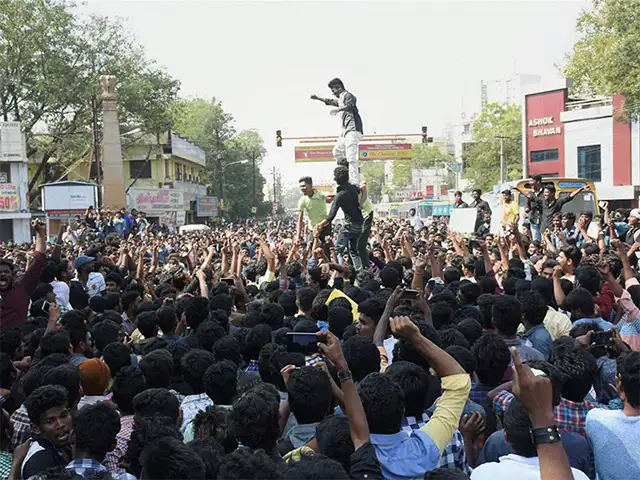
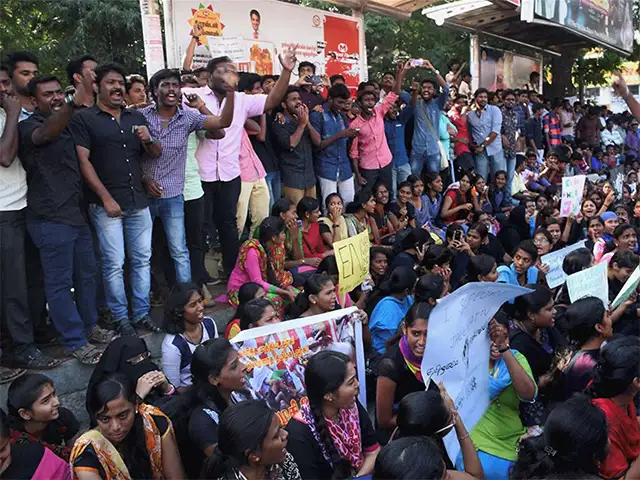
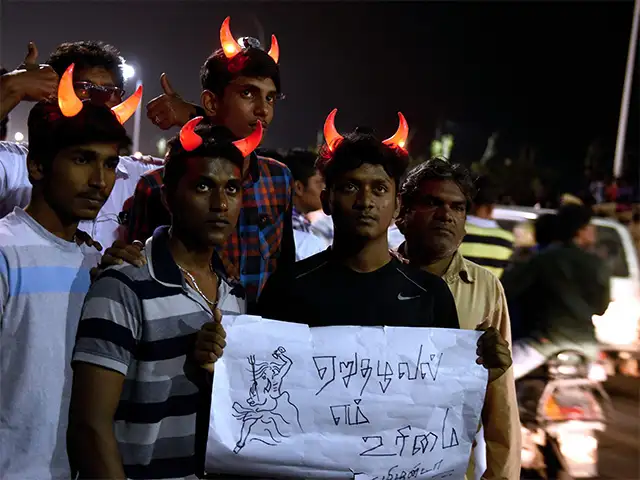
They are protesting against animal welfare organisations like People for the Ethical Treatment of Animals (PETA) on whose petitions the Supreme Court banned the bull-taming sport.

ADVERTISEMENT


