Six new Akash squadrons to give IAF missile muscle
Barring the final action of firing the missile or pressing the 'destroy' key, all major functions are done electronically by the computer running on the weapon system software.
By Chethan Kumar, TNN | Updated:
BENGALURU: Having seen it's utility first hand, the Indian Air Force (IAF) is all geared up to raise six new squadrons of the Akash Air Defence System which is indigenously developed by the DRDO, Bharat Electronics Limited (BEL) and private firms long before the nation launched on the Make-In-India campaign.
Confirming this, top IAF officials said IAF already has two operational squadrons of the all-weather, point/area missile system. "It protects vulnerable points and vulnerable areas with a slant range of 25-30km at altitudes up to 20km. It can destroy high-speed targets like fighter aircraft and UAVs," an official said.
Barring the final action of firing the missile or pressing the 'destroy' key, all major functions are done electronically by the computer running on the weapon system software.
While paperwork for immediate procurement of seven squadrons (14 units) is progressing at the highest level, the IAF is likely to place additional orders for 49 firing units in a phased manner. The order for the existing two squadrons placed in 2008 is valued at about Rs 1,200 crore.
"An order for six more squadrons worth around Rs 3,500 crore was placed in the late 2010 and the manufacturing of the same is complete and will be delivered this year," a source in BEL said.
The Akash missile system was conceived as a project and completed way before the make-in-India campaign was launched.
BEL is the lead vendor and integrator for the IAF version. It has manufactured the surveillance radar, tracking radar, flight control centre, support systems and the integrated software. The missiles themselves are supplied by Bharat Dynamics Limited, Hyderabad, another government agency, while the launchers come from Tata Power/L&T. The squadron control centre is manufactured by the Electronics Corporation of India Limited.
Integration of all equipment and software at the squadron level, installation and commissioning of the missile system are being done by BEL. The weapon system software developed jointly by the Electronics & Radar Development Establishment (LRDE) and BEL plays a crucial role in achieving the target destruction.
Confirming this, top IAF officials said IAF already has two operational squadrons of the all-weather, point/area missile system. "It protects vulnerable points and vulnerable areas with a slant range of 25-30km at altitudes up to 20km. It can destroy high-speed targets like fighter aircraft and UAVs," an official said.
Barring the final action of firing the missile or pressing the 'destroy' key, all major functions are done electronically by the computer running on the weapon system software.
While paperwork for immediate procurement of seven squadrons (14 units) is progressing at the highest level, the IAF is likely to place additional orders for 49 firing units in a phased manner. The order for the existing two squadrons placed in 2008 is valued at about Rs 1,200 crore.
"An order for six more squadrons worth around Rs 3,500 crore was placed in the late 2010 and the manufacturing of the same is complete and will be delivered this year," a source in BEL said.
The Akash missile system was conceived as a project and completed way before the make-in-India campaign was launched.
ADVERTISEMENT
BEL is the lead vendor and integrator for the IAF version. It has manufactured the surveillance radar, tracking radar, flight control centre, support systems and the integrated software. The missiles themselves are supplied by Bharat Dynamics Limited, Hyderabad, another government agency, while the launchers come from Tata Power/L&T. The squadron control centre is manufactured by the Electronics Corporation of India Limited.
Integration of all equipment and software at the squadron level, installation and commissioning of the missile system are being done by BEL. The weapon system software developed jointly by the Electronics & Radar Development Establishment (LRDE) and BEL plays a crucial role in achieving the target destruction.
Download
The Economic Times Business News App for the Latest News in Business, Sensex, Stock Market Updates & More.
The Economic Times Business News App for the Latest News in Business, Sensex, Stock Market Updates & More.
Download
The Economic Times News App for Quarterly Results, Latest News in ITR, Business, Share Market, Live Sensex News & More.
The Economic Times News App for Quarterly Results, Latest News in ITR, Business, Share Market, Live Sensex News & More.
Text: PTI & Agencies
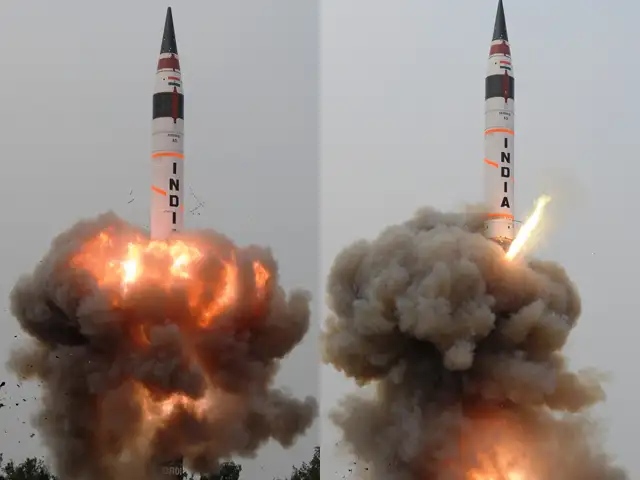
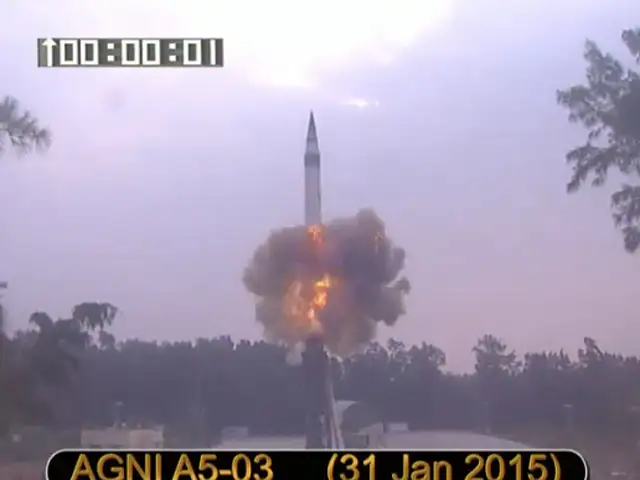
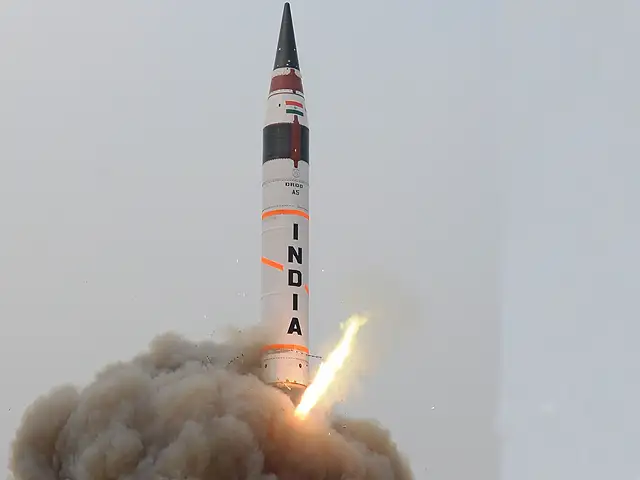
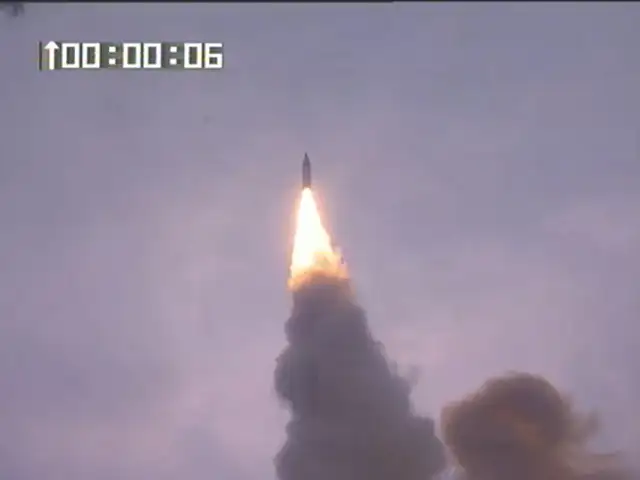
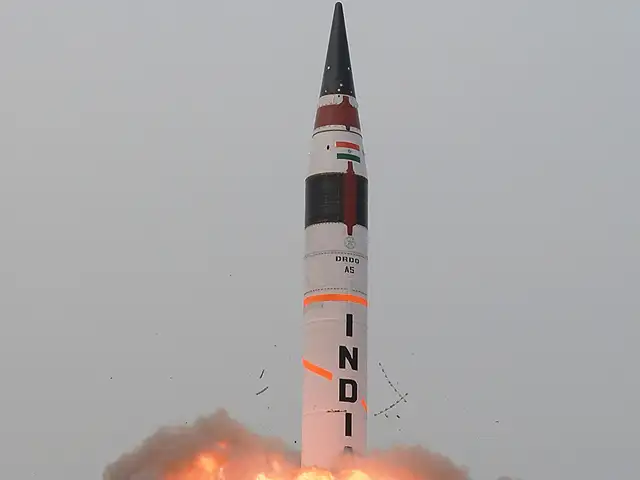
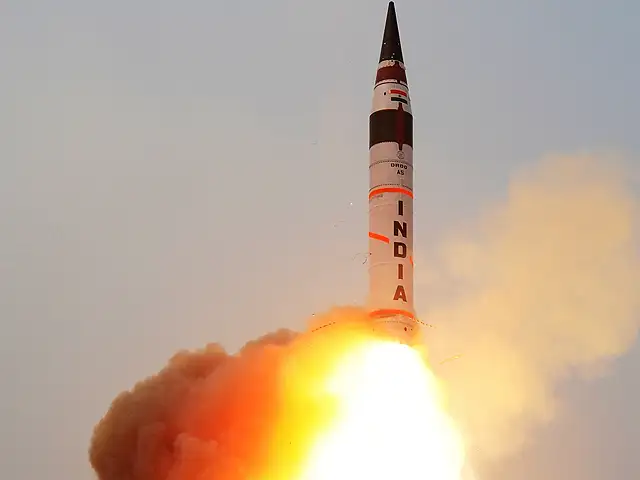
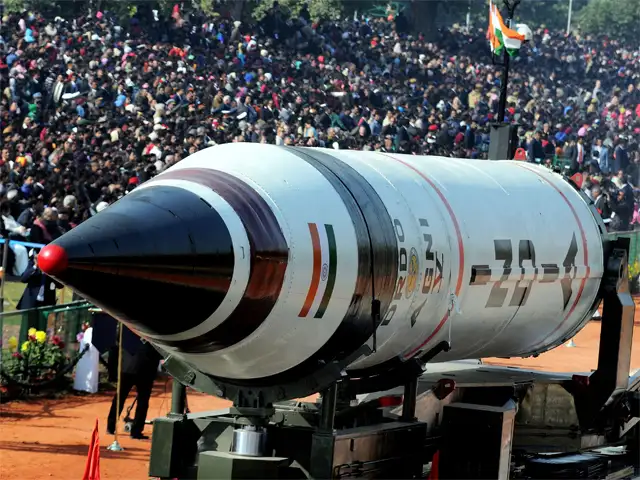
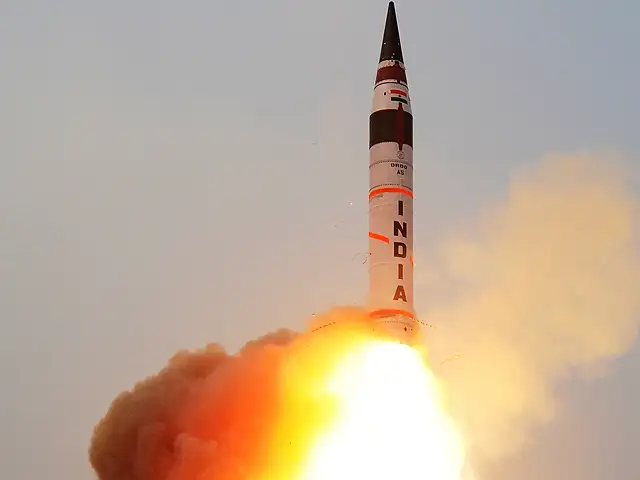
In a huge boost to India's defence sector, the maiden canister-based trial of the country's most potent missile Agni-V was conducted.
Image by DRDO
In a huge boost to India's defence sector, the maiden canister-based trial of the country's most potent missile Agni-V was conducted.
Image by DRDO

ADVERTISEMENT


