Rafale deadlock gives thrust to Russian fifth-generation fighter aircraft deal
India has told Russia it wants deliveries of the FGFA to begin in 36 months after the main contract is inked, instead of the 94 months.
By Rajat Pandit, TNN | Updated:

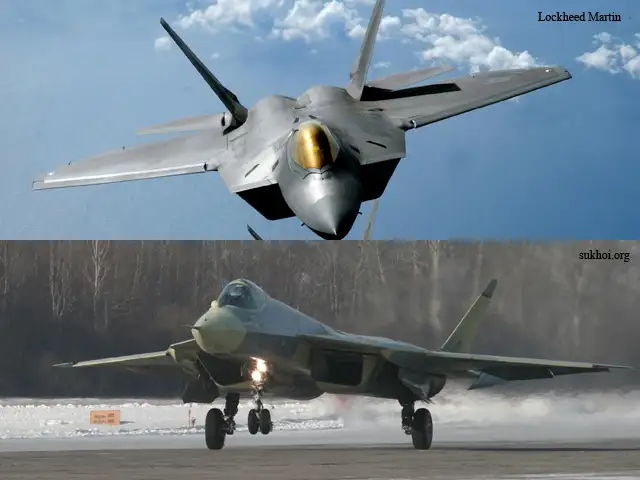
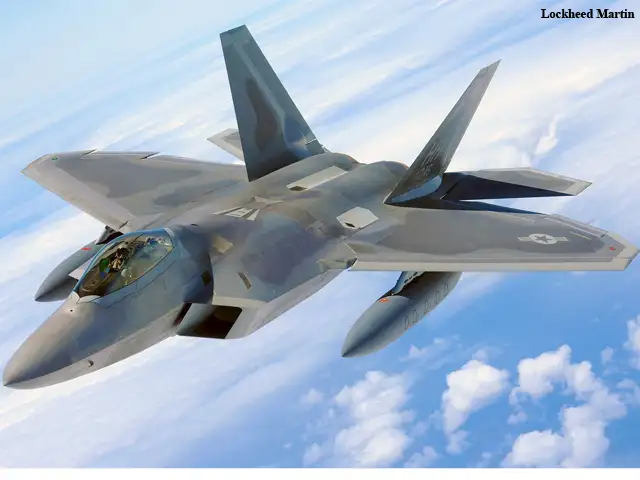
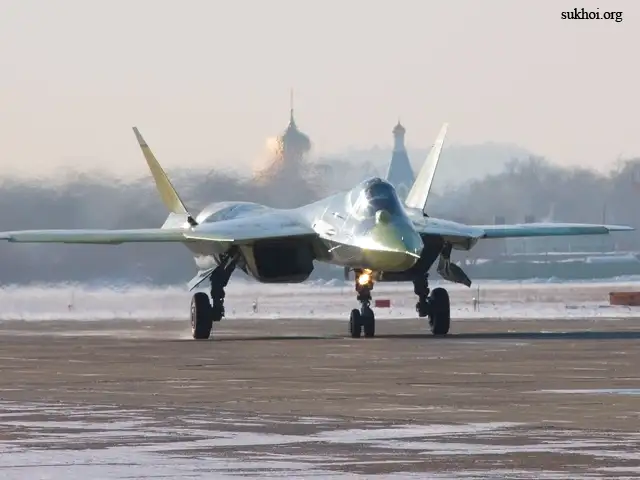
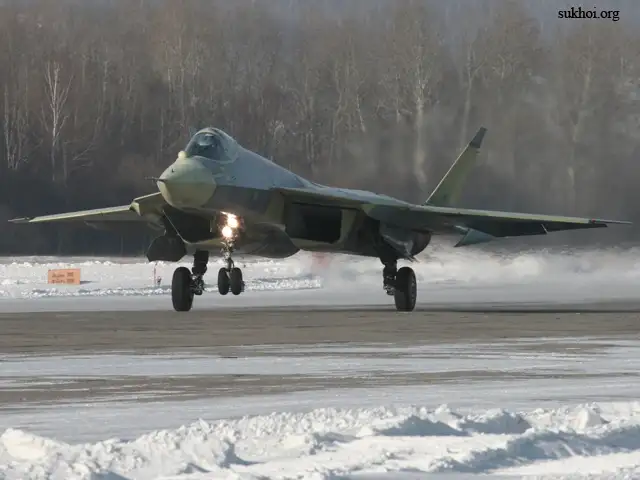
NEW DELHI: Faced with continuing deadlock in the mega deal to acquire 126 French Rafale fighters, India is now pressing the throttle to seal the even bigger project with Russia for the stealth fifth-generation fighter aircraft ( FGFA).
India has told Russia it wants deliveries of the FGFA to begin in 36 months after the main contract is inked, instead of the 94 months envisaged earlier, top defence sources said.
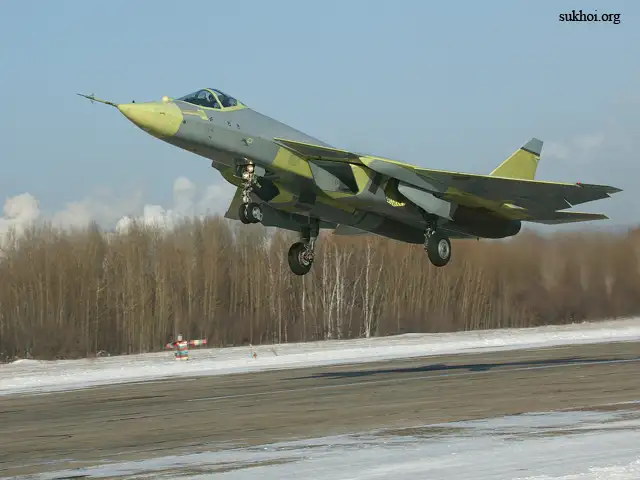
With this "accelerated delivery timeframe" becoming the main objective, India is ready to forego the earlier plan for a 50:50 design and work-share agreement with Russia on its under-development FGFA called PAK-FA or Sukhoi T-50.
India is also no longer insisting that all the single-seat stealth fighters required by IAF be built in India by defence PSU Hindustan Aeronautics at its Ozar facility. "We have agreed to a lesser work-share for a realistic contract, with the initial lot of the FGFA being imported and the rest being made here under technology transfer," said a source.
"Like for the Russian Sukhoi-30MKI fighters (majority of the 272 Sukhois contracted for $12 billion are being made by HAL), the curve in technology absorption will also be steep in the FGFA project," he added.
Faced with a sharp decline in the number of fighter squadrons in IAF, India wants to fast-track the FGFA project under which its "perspective multi-role fighter" will be based on PAK-FA but tweaked to its requirements.
The final FGFA design contract has been hanging fire since India and Russia completed their initial work under the $295 million preliminary design contract signed in December 2010. India will overall spend around $25 billion on the FGFA project if it goes ahead with its plan to induct 127 such fighters, as earlier reported by TOI.
All this has gained urgency since India feels French aviation major Dassault is being needlessly intransigent over the pricing mechanism in the final negotiations for the over $20 billion MMRCA (medium multi-role combat aircraft) project. Under it, the first 18 Rafale fighters were to be delivered off-the-shelf, with the remaining 108 being produced in India.
"But Dassault's costing for the 108 Rafales to be built by HAL has undergone a major hike. It amounts to changing the price line that led to Rafale's selection over Eurofighter Typhoon as the L-1 (lowest bidder) in the MMRCA competition," said the source.
"The MoD simply cannot sign the contract if the L-1 price is altered. Dassault should relent and stick to its commercial bid submitted in response to the original RFP (request for proposal)," he added.
Both sides are furiously working to break the deadlock since India wants to take a final call on the MMRCA project before Prime Minister Narendra Modi visits France in early-April, as earlier reported by TOI.
India has told Russia it wants deliveries of the FGFA to begin in 36 months after the main contract is inked, instead of the 94 months envisaged earlier, top defence sources said.
With this "accelerated delivery timeframe" becoming the main objective, India is ready to forego the earlier plan for a 50:50 design and work-share agreement with Russia on its under-development FGFA called PAK-FA or Sukhoi T-50.
India is also no longer insisting that all the single-seat stealth fighters required by IAF be built in India by defence PSU Hindustan Aeronautics at its Ozar facility. "We have agreed to a lesser work-share for a realistic contract, with the initial lot of the FGFA being imported and the rest being made here under technology transfer," said a source.
"Like for the Russian Sukhoi-30MKI fighters (majority of the 272 Sukhois contracted for $12 billion are being made by HAL), the curve in technology absorption will also be steep in the FGFA project," he added.
Faced with a sharp decline in the number of fighter squadrons in IAF, India wants to fast-track the FGFA project under which its "perspective multi-role fighter" will be based on PAK-FA but tweaked to its requirements.
ADVERTISEMENT
The final FGFA design contract has been hanging fire since India and Russia completed their initial work under the $295 million preliminary design contract signed in December 2010. India will overall spend around $25 billion on the FGFA project if it goes ahead with its plan to induct 127 such fighters, as earlier reported by TOI.
All this has gained urgency since India feels French aviation major Dassault is being needlessly intransigent over the pricing mechanism in the final negotiations for the over $20 billion MMRCA (medium multi-role combat aircraft) project. Under it, the first 18 Rafale fighters were to be delivered off-the-shelf, with the remaining 108 being produced in India.
"But Dassault's costing for the 108 Rafales to be built by HAL has undergone a major hike. It amounts to changing the price line that led to Rafale's selection over Eurofighter Typhoon as the L-1 (lowest bidder) in the MMRCA competition," said the source.
"The MoD simply cannot sign the contract if the L-1 price is altered. Dassault should relent and stick to its commercial bid submitted in response to the original RFP (request for proposal)," he added.
ADVERTISEMENT
Both sides are furiously working to break the deadlock since India wants to take a final call on the MMRCA project before Prime Minister Narendra Modi visits France in early-April, as earlier reported by TOI.
Download
The Economic Times Business News App for the Latest News in Business, Sensex, Stock Market Updates & More.
The Economic Times Business News App for the Latest News in Business, Sensex, Stock Market Updates & More.
Download
The Economic Times News App for Quarterly Results, Latest News in ITR, Business, Share Market, Live Sensex News & More.
The Economic Times News App for Quarterly Results, Latest News in ITR, Business, Share Market, Live Sensex News & More.
Related Articles
 Did Pakistan really down India's Rafale fighter jets during Operation Sindoor? Latest IAF tender reveals the truth2026-06-24T07:13:37Z
- India aims to co-develop, co-design, co-produce, co-manufacture: MEA on Rafale deal with France2026-06-14T16:51:37Z
- Rafale fires MICA NG missile: All about the next-generation weapon built to target stealth aircraft, drones and cruise missiles2026-06-05T18:04:44Z
Rajat Pandit, TNN
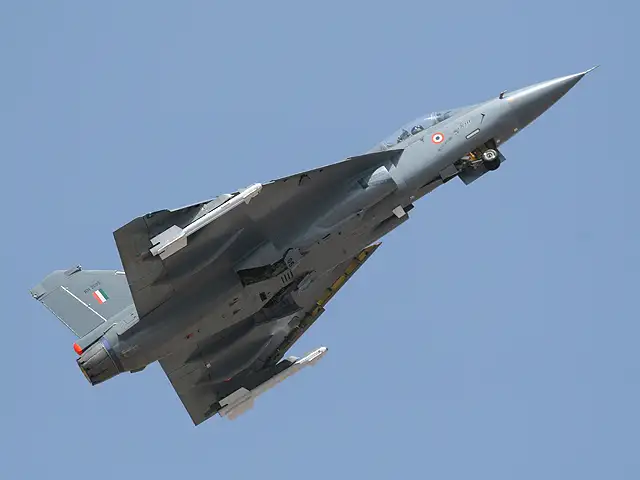
India plans to kick-off its own fifth-generation fighter aircraft (FGFA) development project this year to build on the expertise gained in the long developmental saga of the indigenous Tejas light combat aircraft.
The aim is to fly the first twin-engine AMCA prototype by 2023-2024, which will be around the time deliveries of Tejas Mark-II fighters will be underway.
India plans to kick-off its own fifth-generation fighter aircraft (FGFA) development project this year to build on the expertise gained in the long developmental saga of the indigenous Tejas light combat aircraft.
The aim is to fly the first twin-engine AMCA prototype by 2023-2024, which will be around the time deliveries of Tejas Mark-II fighters will be underway.

ADVERTISEMENT


