Pakistan’s Nuclear programme prone to security risks: US Report
For India, Pak's nuclear programme spells a double whammy as the current doctrine calls for a massive retaliation in case of a nuclear strike on home territory.
By Manu Pubby, ET Bureau |

NEW DELHI: A report on Pakistan’s tactical nuclear programme by a prominent Washington-based think tank raises questions on the country’s ability to secure warheads even in peacetime, concluding that the introduction of mini nuclear weapons in the subcontinent has substantially increased the risk of a confrontation with India getting out of hand.
The report comes even as Pakistan’s Strategic Plans Division (SPD) that oversees its nuclear programme has admitted to having fired several people with "negative tendencies". Pakistan-based Dawn newspaper has quoted Brig Tahir Raza Naqvi as saying that those sacked were "incorrigible" and could have affected national security. The US report titled ‘Pakistan’s Tactical Nuclear Weapons: Operational Myths and Realities’ has, however, raised the larger question of the implication of battlefield nuclear weapons in the subcontinent. Unlike strategic warheads that are capable of obliterating a large landmass, tactical nuclear weapons like the Nasr missile that Pakistan has introduced are aimed as battlefield weapons directed against troops or armoured formations.

The Pakistani logic is that nuclear weapons can be used in a battlefield without collateral civilian damage and that would make them more "acceptable" than a strike on a major city or power centre. The report by the Stimson Center says that the "presence of tactical nuclear weapons will naturally result in increased pressure on both India and Pakistan to escalate during any future crisis".
For India, Pakistan’s tactical programme spells a double whammy. The current Indian doctrine calls for a massive retaliation in case of a nuclear strike on home territory. However, dealing with a limited nuclear strike on a troop formation with a massive and debilitating strike across the border with possible high civilian loss could be difficult to justify, even though India has reiterated that it will not differentiate between a strategic or tactical nuclear weapon.
The larger worry, though, is over the security of the tactical nuclear warheads, which, by their very nature are to be deployed on the battlefield where the risk of a breach is higher. "Pakistan might also reconsider the practical and operational risks and challenges with regard to tactical nuclear weapons, particularly the difference in risk profiles between a small number of systems and widespread numbers readied for deployment," the Stimson report notes.
The report comes even as Pakistan’s Strategic Plans Division (SPD) that oversees its nuclear programme has admitted to having fired several people with "negative tendencies". Pakistan-based Dawn newspaper has quoted Brig Tahir Raza Naqvi as saying that those sacked were "incorrigible" and could have affected national security. The US report titled ‘Pakistan’s Tactical Nuclear Weapons: Operational Myths and Realities’ has, however, raised the larger question of the implication of battlefield nuclear weapons in the subcontinent. Unlike strategic warheads that are capable of obliterating a large landmass, tactical nuclear weapons like the Nasr missile that Pakistan has introduced are aimed as battlefield weapons directed against troops or armoured formations.
The Pakistani logic is that nuclear weapons can be used in a battlefield without collateral civilian damage and that would make them more "acceptable" than a strike on a major city or power centre. The report by the Stimson Center says that the "presence of tactical nuclear weapons will naturally result in increased pressure on both India and Pakistan to escalate during any future crisis".
For India, Pakistan’s tactical programme spells a double whammy. The current Indian doctrine calls for a massive retaliation in case of a nuclear strike on home territory. However, dealing with a limited nuclear strike on a troop formation with a massive and debilitating strike across the border with possible high civilian loss could be difficult to justify, even though India has reiterated that it will not differentiate between a strategic or tactical nuclear weapon.
The larger worry, though, is over the security of the tactical nuclear warheads, which, by their very nature are to be deployed on the battlefield where the risk of a breach is higher. "Pakistan might also reconsider the practical and operational risks and challenges with regard to tactical nuclear weapons, particularly the difference in risk profiles between a small number of systems and widespread numbers readied for deployment," the Stimson report notes.
Download
The Economic Times Business News App for the Latest News in Business, Sensex, Stock Market Updates & More.
The Economic Times Business News App for the Latest News in Business, Sensex, Stock Market Updates & More.
Download
The Economic Times News App for Quarterly Results, Latest News in ITR, Business, Share Market, Live Sensex News & More.
The Economic Times News App for Quarterly Results, Latest News in ITR, Business, Share Market, Live Sensex News & More.
Related Articles
 Top general warns against 'unnecessary and unfounded views' on Pakistan's nuclear programme2022-06-06T14:29:48Z
- US charges 5 over illegal exports for Pakistan's nuclear programme; Islamabad says no information2020-01-17T16:38:00Z
- Pakistan's nuclear programme has increased risk of conflict with India: Report2016-06-17T10:45:23Z
Economictimes.com & Agencies
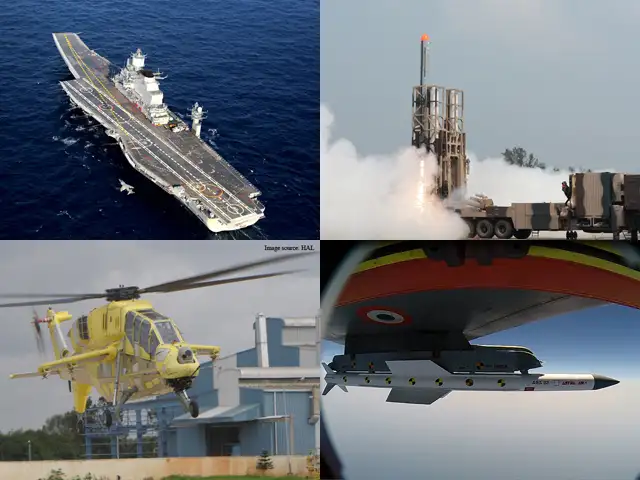
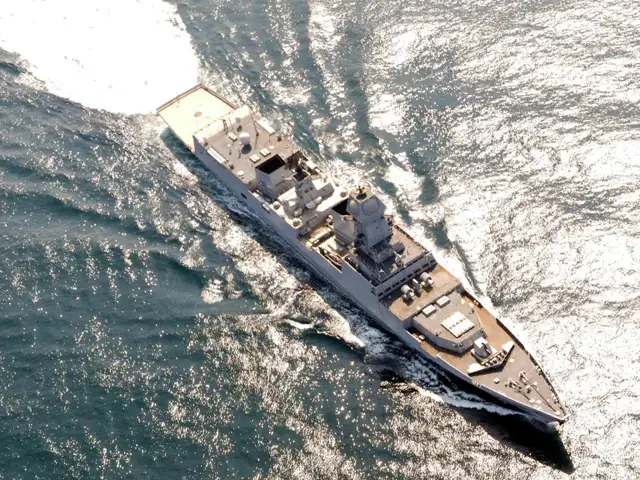
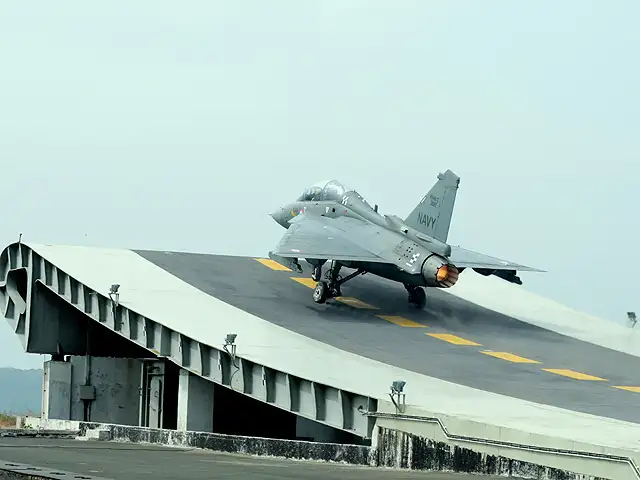
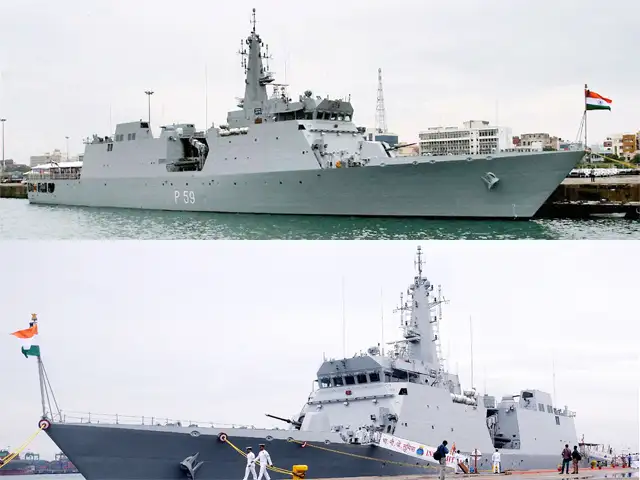
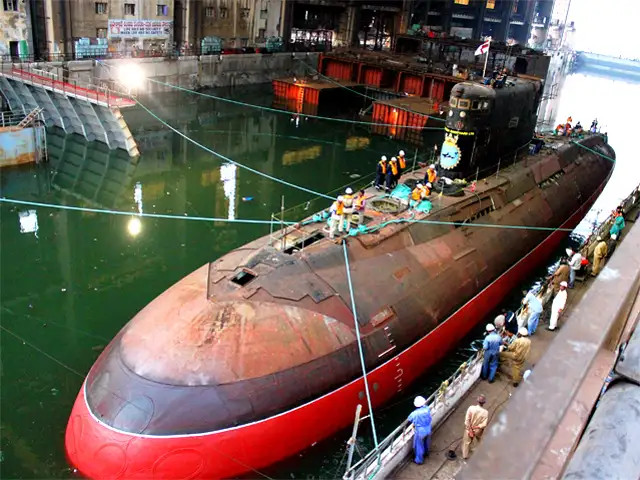
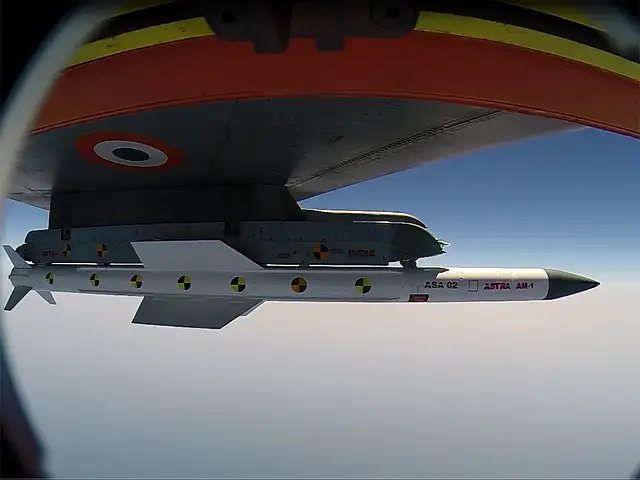
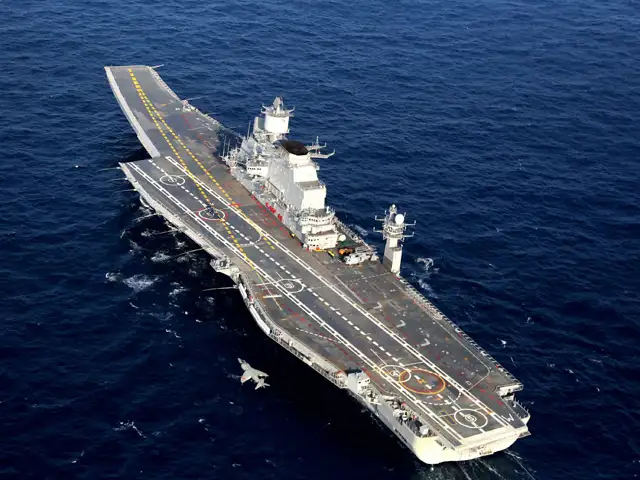
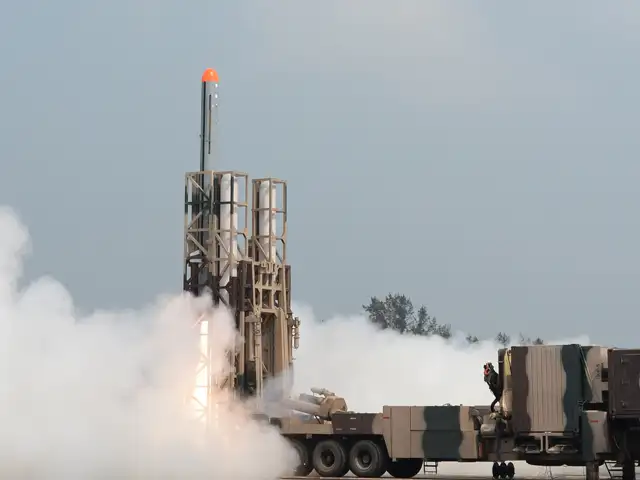
The need to have robust defence capabilities in today's day and age cannot be overstated. India has been aggressively pushing to enhance its ability to deter attacks and up its defence prowess.
2014 saw multiple steps being taken in that direction and India saw many new additions to its defence fleet. We take a look at eight achievements that deserve a special mention:
The need to have robust defence capabilities in today's day and age cannot be overstated. India has been aggressively pushing to enhance its ability to deter attacks and up its defence prowess.
2014 saw multiple steps being taken in that direction and India saw many new additions to its defence fleet. We take a look at eight achievements that deserve a special mention:


ADVERTISEMENT


