Obama's India visit: India, United States close to breaking nuclear-deal deadlock
Hours ahead of Obama's arrival here, India and the US seemed to be on the verge of a breakthrough in their negotiations on the nuclear deal.
By TNN | Updated:

NEW DELHI: Hours ahead of US President Barack Obama's arrival here, India and the US seemed to be on the verge of a breakthrough in their negotiations to break the deadlock in operationalizing the civil nuclear agreement, top government sources said.
There was "cautious optimism" on the Indian side that Obama was going to use his executive powers to temper the US insistence on acquiring tracking rights perpetually over nuclear material, even those sourced from third countries for use in US reactors, over and above inspections by the IAEA. According to the agreement likely to be reached, the US authorities will go by assurances provided by IAEA over India's use of nuclear material and its non-proliferation commitments.
The third contact group meeting in London last week had failed to address this crucial administrative issue, leaving it to Obama and Prime Minister Narendra Modi to take the final call.
On the other contentious issue of liability, the government had said that progress had been made with the US showing interest in India's offer to build an insurance pool to cover suppliers against whom India's 2010 nuclear liability law provides right of recourse in the event of a nuclear accident. Sources didn't rule out last-minute glitches, but said there certainly was intent on both sides to announce a breakthrough.
As Obama arrives in New Delhi on Sunday, there is enthusiasm that the visit will yield tangible breakthroughs for both sides. Apart from an agreement on the nuclear issue, a "friendship accord" is in the works, which will see India and the US working together on common challenges like counter-terrorism. India and the US may also stitch up the first co-development pact to manufacture UAVs in India.
NaMObama may energize talks to the next level
The unfinished business of the nuclear deal has been a source of frustration on both the Indian and the American sides. During the September meeting in Washington, Prime Minister Narendra Modi and President Barack Obama had set up a contact group to iron out the outstanding problems.
There are three big-ticket issues to be resolved — first, the operationalization of the deal itself with administrative arrangements where India was resisting US' intrusive "national verification" demands; second, the Indian nuclear liability law holds suppliers liable in case of damage, which has hobbled foreign and domestic suppliers and third, India's membership to the four non-proliferation regimes which would open up high technology for India. Indian and US negotiators have been meeting in New Delhi, Vienna and London to reach an understanding.
There was "cautious optimism" on the Indian side that Obama was going to use his executive powers to temper the US insistence on acquiring tracking rights perpetually over nuclear material, even those sourced from third countries for use in US reactors, over and above inspections by the IAEA. According to the agreement likely to be reached, the US authorities will go by assurances provided by IAEA over India's use of nuclear material and its non-proliferation commitments.
The third contact group meeting in London last week had failed to address this crucial administrative issue, leaving it to Obama and Prime Minister Narendra Modi to take the final call.
On the other contentious issue of liability, the government had said that progress had been made with the US showing interest in India's offer to build an insurance pool to cover suppliers against whom India's 2010 nuclear liability law provides right of recourse in the event of a nuclear accident. Sources didn't rule out last-minute glitches, but said there certainly was intent on both sides to announce a breakthrough.
As Obama arrives in New Delhi on Sunday, there is enthusiasm that the visit will yield tangible breakthroughs for both sides. Apart from an agreement on the nuclear issue, a "friendship accord" is in the works, which will see India and the US working together on common challenges like counter-terrorism. India and the US may also stitch up the first co-development pact to manufacture UAVs in India.
NaMObama may energize talks to the next level
ADVERTISEMENT
The unfinished business of the nuclear deal has been a source of frustration on both the Indian and the American sides. During the September meeting in Washington, Prime Minister Narendra Modi and President Barack Obama had set up a contact group to iron out the outstanding problems.
 |
There are three big-ticket issues to be resolved — first, the operationalization of the deal itself with administrative arrangements where India was resisting US' intrusive "national verification" demands; second, the Indian nuclear liability law holds suppliers liable in case of damage, which has hobbled foreign and domestic suppliers and third, India's membership to the four non-proliferation regimes which would open up high technology for India. Indian and US negotiators have been meeting in New Delhi, Vienna and London to reach an understanding.
The White House press secretary Josh Earnest was quoted as saying, "We know that PM Modi is very interested in injecting the kind of energy and vitality into the relationship between the US and India. I can tell you that President Obama shares that desire and making the first-ever second trip by a US president to India during his presidency I think reflects the President's commitment to India, the Indian people, and the relationship between the US and India."
The business part of the visit promises a lot of cheer to industry from both countries, even if H1B visas and Totalization pacts are left over for later.
| |
| |
Download
The Economic Times Business News App for the Latest News in Business, Sensex, Stock Market Updates & More.
The Economic Times Business News App for the Latest News in Business, Sensex, Stock Market Updates & More.
Download
The Economic Times News App for Quarterly Results, Latest News in ITR, Business, Share Market, Live Sensex News & More.
The Economic Times News App for Quarterly Results, Latest News in ITR, Business, Share Market, Live Sensex News & More.
Related Articles
 India tightens scrutiny of Chinese herbicide imports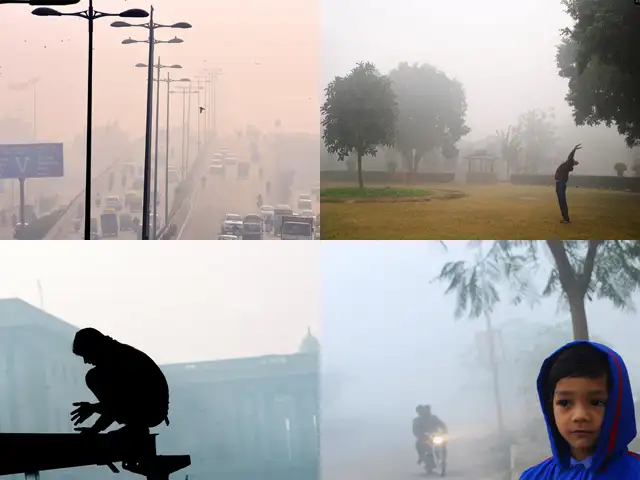
Text: Reuters
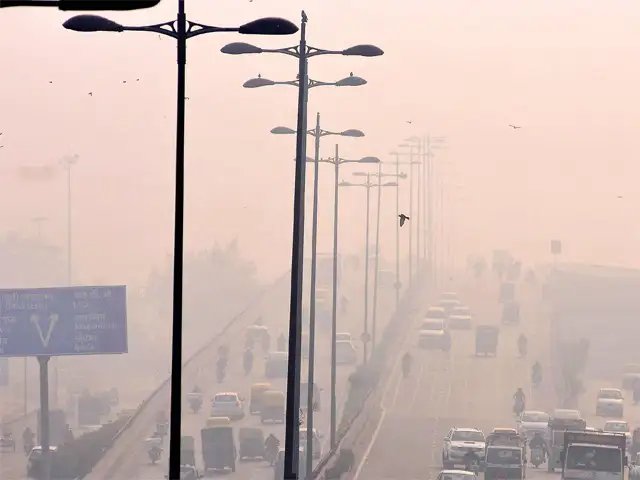
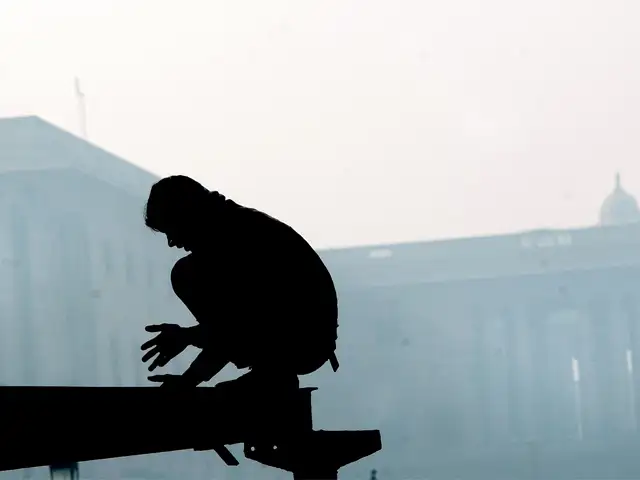
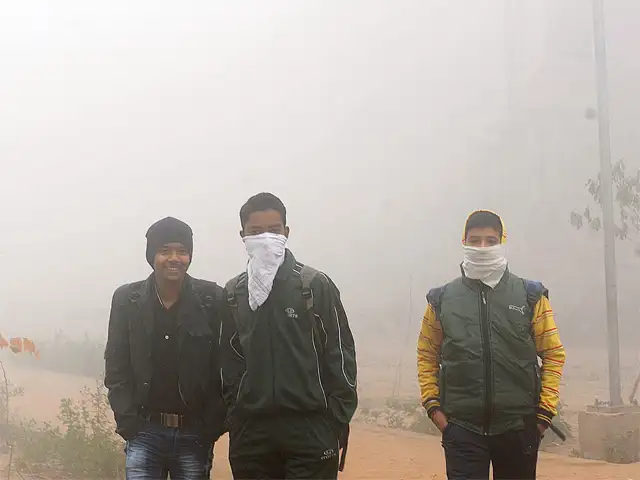
It may not rain on Barack Obama's parade when he comes to Delhi for the Republic Day celebrations at the invitation of PM Narendra Modi, but judging by the smog cloaking the capital city on January 22 as motorcycle stunt men rehearsed for the January 26 event, the city's notorious air pollution could be a problem.
It may not rain on Barack Obama's parade when he comes to Delhi for the Republic Day celebrations at the invitation of PM Narendra Modi, but judging by the smog cloaking the capital city on January 22 as motorcycle stunt men rehearsed for the January 26 event, the city's notorious air pollution could be a problem.



ADVERTISEMENT


