Mars Orbiter team wins US award
India's Mars Orbiter programme team has won the 2015 Space Pioneer Award in the science and engineering category from the US based National Space Society (NSS), the society said.
By PTI | Updated:

CHENNAI: Indian Space Research Organisation has been conferred 'Space Pioneer Award' by the National Space Society (NSS) of the United States over the historic feat on successfully sending an orbit to Martian atmosphere in its very first attempt.
"The National Space Society takes great pleasure in announcing that its 2015 Space Pioneer Award in the Science and Engineering category has been won by the Indian Space Research Organisation ( ISRO) Mars Orbiter Programme Team," NSS said in a statement.
The award would be presented to an ISRO representative during the 34th Annual International Space Development Conference to be held at Toronto in Canada between May 20 and 24, it said.
The 'Space Pioneer Award' consists of a silvery pewter Moon globe cast by the Baker Art Foundry in Placerville, California, from a sculpture originally created by well-known space and astronomical artist.
"This mission has achieved two significant mission firsts. (1) An Indian spacecraft has gone into orbit around Mars on the very first try. No other country has ever done this. (2) The spacecraft is in an elliptical orbit with a high apoapsis, and has a high resolution camera which is taking full-disk colour imagery of Mars," it said.
"Very few full disk images have ever been taken in the past, mostly on approach to the planet, as most imaging is done looking straight down in mapping mode. These images will aid planetary scientists," the NSS observed.
NSS, which publishes Ad Astra magazine, is an independent non-profit educational membership organisation for creation of a spacefaring civilization is widely acknowledged as the preeminent citizen's voice around the world.
ISRO had on November 5, 2013, launched the Mars Orbiter mission from Sriharikota at a cost of Rs 450 crore, which successfully entered the Martian atmosphere on September 24 last year, scripting history of being the first country in the world to have succeeded the mission in its very first attempt.
"The National Space Society takes great pleasure in announcing that its 2015 Space Pioneer Award in the Science and Engineering category has been won by the Indian Space Research Organisation ( ISRO) Mars Orbiter Programme Team," NSS said in a statement.
The award would be presented to an ISRO representative during the 34th Annual International Space Development Conference to be held at Toronto in Canada between May 20 and 24, it said.
The 'Space Pioneer Award' consists of a silvery pewter Moon globe cast by the Baker Art Foundry in Placerville, California, from a sculpture originally created by well-known space and astronomical artist.
"This mission has achieved two significant mission firsts. (1) An Indian spacecraft has gone into orbit around Mars on the very first try. No other country has ever done this. (2) The spacecraft is in an elliptical orbit with a high apoapsis, and has a high resolution camera which is taking full-disk colour imagery of Mars," it said.
"Very few full disk images have ever been taken in the past, mostly on approach to the planet, as most imaging is done looking straight down in mapping mode. These images will aid planetary scientists," the NSS observed.
ADVERTISEMENT
NSS, which publishes Ad Astra magazine, is an independent non-profit educational membership organisation for creation of a spacefaring civilization is widely acknowledged as the preeminent citizen's voice around the world.
ISRO had on November 5, 2013, launched the Mars Orbiter mission from Sriharikota at a cost of Rs 450 crore, which successfully entered the Martian atmosphere on September 24 last year, scripting history of being the first country in the world to have succeeded the mission in its very first attempt.
Download
The Economic Times Business News App for the Latest News in Business, Sensex, Stock Market Updates & More.
The Economic Times Business News App for the Latest News in Business, Sensex, Stock Market Updates & More.
Download
The Economic Times News App for Quarterly Results, Latest News in ITR, Business, Share Market, Live Sensex News & More.
The Economic Times News App for Quarterly Results, Latest News in ITR, Business, Share Market, Live Sensex News & More.
Text: PTI
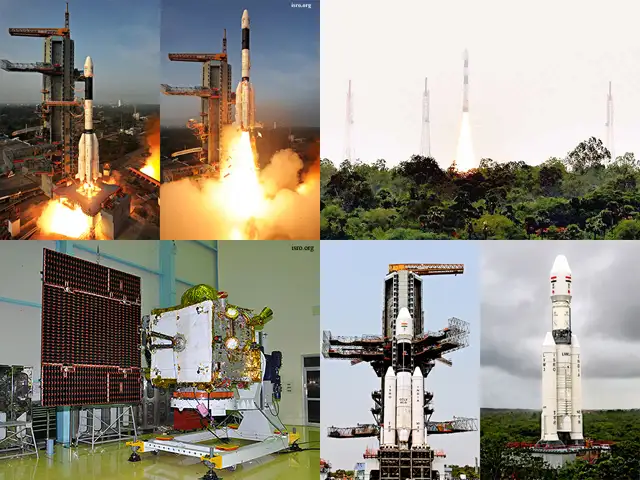
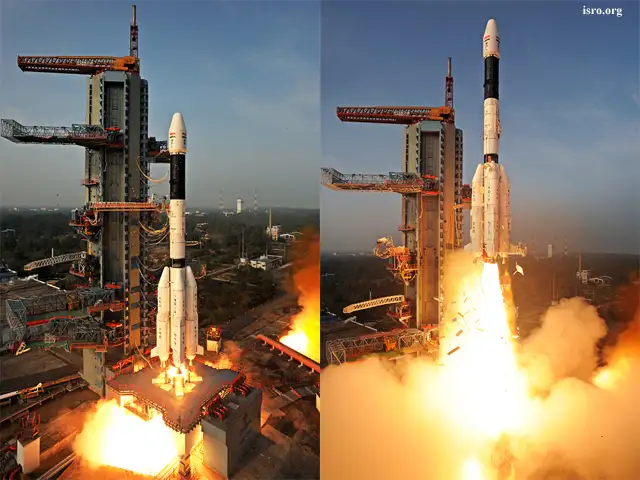
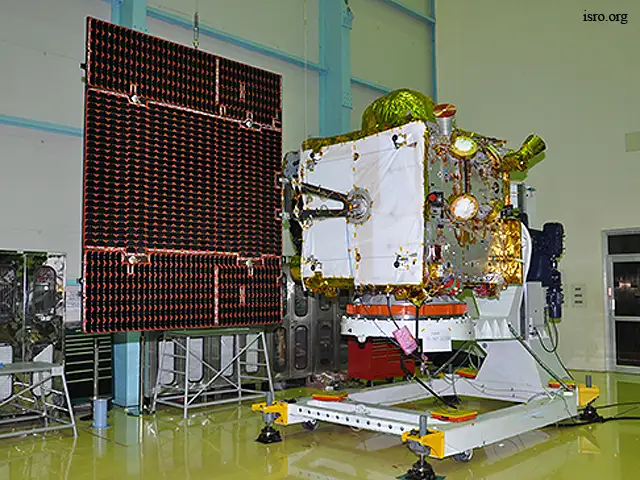
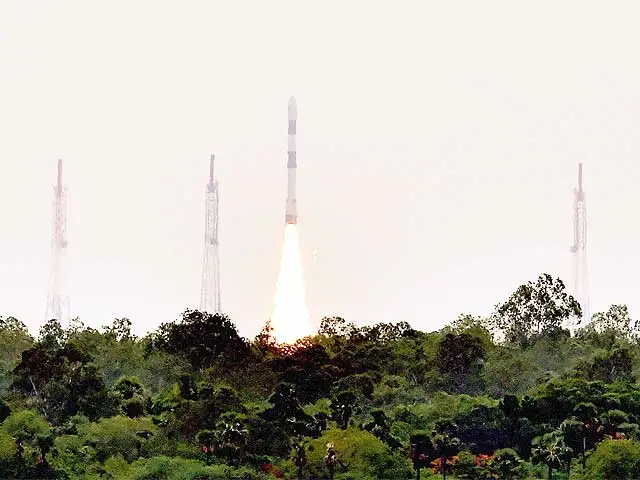
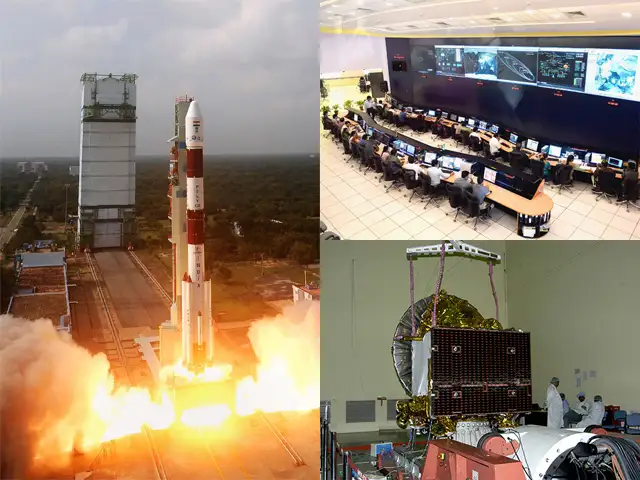
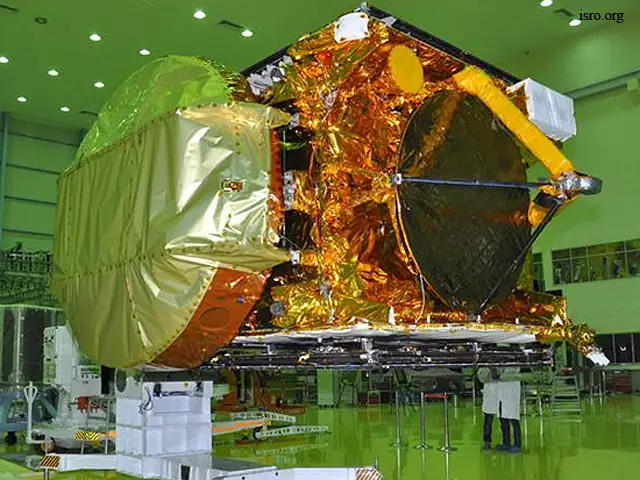
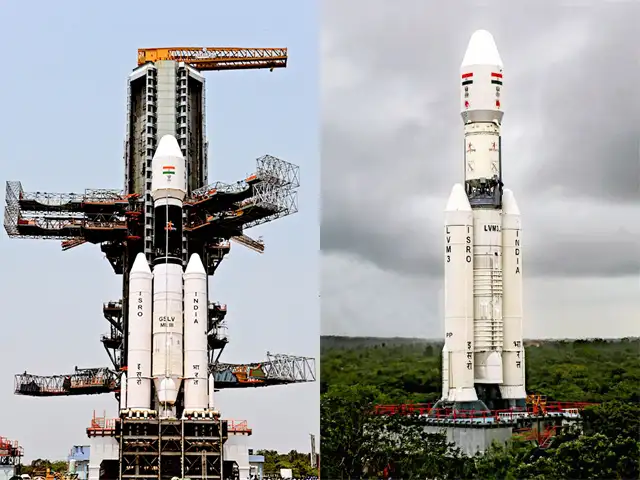
With IRSO succeeding in its first inter-planetary Mars Orbiter Mission making India the only country to achieve this feat in its maiden attempt, 2014 was not only momentous but a very busy year for the space sector.
We take a look at six special milestones that ISRO achieved:
With IRSO succeeding in its first inter-planetary Mars Orbiter Mission making India the only country to achieve this feat in its maiden attempt, 2014 was not only momentous but a very busy year for the space sector.
We take a look at six special milestones that ISRO achieved:

ADVERTISEMENT


