Make-in-India: Govt plans to develop 5th-generation fighter aircraft
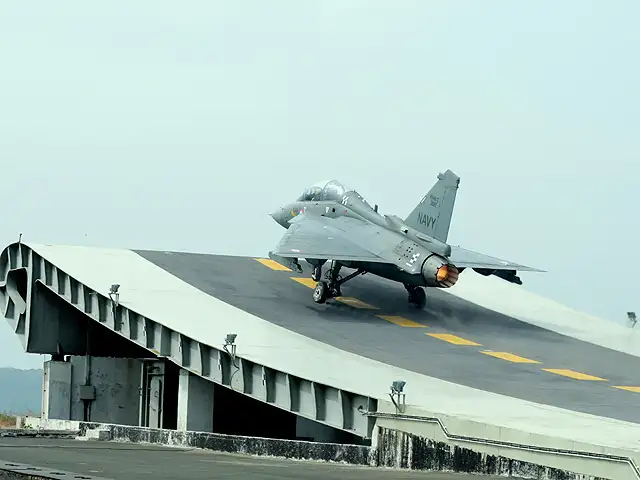
The aim is to fly the first twin-engine AMCA prototype by 2023-2024, which will be around the time deliveries of Tejas Mark-II fighters will be underway.
By Rajat Pandit, TNN | Updated:

NEW DELHI: India plans to kick-off its own fifth-generation fighter aircraft ( FGFA) development project this year to build on the expertise gained in the long developmental saga of the indigenous Tejas light combat aircraft.
Top defence sources on Wednesday said the preliminary design stage of the futuristic fighter called the advanced medium combat aircraft ( AMCA), with collaboration among IAF, DRDO and Aeronautical Development Agency, is now "virtually" over.
"Once the project definition and feasibility is completed in the next few months, the defence ministry will go to the cabinet committee on security for approval. It will require Rs 4,000-5,000 crore for the initial design and development phase," said a source.
The aim is to fly the first twin-engine AMCA prototype by 2023-2024, which will be around the time deliveries of Tejas Mark-II fighters will be underway. IAF is slated to get its first Tejas Mark-I in March this year, over 30 years after the LCA project was first approved in August 1983. But the Tejas Mark-II jets, with more powerful engines, will start to come only by 2021-2022, as was first reported by TOI.
"After Tejas-II, we have to move ahead to a fifth-generation-plus AMCA. Basic design work of AMCA as well as presentations by five to six global aero-engine manufacturers is over. Simulation modelling is also in the works," said the source.
India, of course, is also trying to sort out its differences with Russia over their proposed joint development of the Indian "perspective multi-role fighter" based on the latter's under-development FGFA called Sukhoi T-50 or PAK-FA.
India, in fact, had told Russia it cannot wait till 2024-2025 to begin inducting 127 of these single-seat fighters, which will entail an overall expenditure of around $25 billion. But India also wants its own home-grown AMCA project in the long-run for strategic and economic reasons.
A swing-role FGFA basically combines advanced stealth, supercruise (capability to achieve supersonic cruise speeds without use of afterburners), super-maneuverability, data fusion and multi-sensor integration on a single fighter.
But the 20-year long development of the American F/A-22 "Raptor", the only fully-operational FGFA in the world today, has shown that such a project is an extremely complex and costly affair.
The US shut down the production of Raptors in 2012 after inducting 188 of them at an overall cost of $67 billion due to huge costs, technical glitches and time overruns. The US is now finally moving towards operationalizing a more advanced FGFA, the F-35 "Lightning-II" joint strike fighter. With the project yet to overcome all technical and software glitches, the overall cost for the planned induction of almost 2,500 such fighters stands at around $400 billion.
Top defence sources on Wednesday said the preliminary design stage of the futuristic fighter called the advanced medium combat aircraft ( AMCA), with collaboration among IAF, DRDO and Aeronautical Development Agency, is now "virtually" over.
"Once the project definition and feasibility is completed in the next few months, the defence ministry will go to the cabinet committee on security for approval. It will require Rs 4,000-5,000 crore for the initial design and development phase," said a source.
The aim is to fly the first twin-engine AMCA prototype by 2023-2024, which will be around the time deliveries of Tejas Mark-II fighters will be underway. IAF is slated to get its first Tejas Mark-I in March this year, over 30 years after the LCA project was first approved in August 1983. But the Tejas Mark-II jets, with more powerful engines, will start to come only by 2021-2022, as was first reported by TOI.
"After Tejas-II, we have to move ahead to a fifth-generation-plus AMCA. Basic design work of AMCA as well as presentations by five to six global aero-engine manufacturers is over. Simulation modelling is also in the works," said the source.
India, of course, is also trying to sort out its differences with Russia over their proposed joint development of the Indian "perspective multi-role fighter" based on the latter's under-development FGFA called Sukhoi T-50 or PAK-FA.
ADVERTISEMENT
India, in fact, had told Russia it cannot wait till 2024-2025 to begin inducting 127 of these single-seat fighters, which will entail an overall expenditure of around $25 billion. But India also wants its own home-grown AMCA project in the long-run for strategic and economic reasons.
A swing-role FGFA basically combines advanced stealth, supercruise (capability to achieve supersonic cruise speeds without use of afterburners), super-maneuverability, data fusion and multi-sensor integration on a single fighter.
But the 20-year long development of the American F/A-22 "Raptor", the only fully-operational FGFA in the world today, has shown that such a project is an extremely complex and costly affair.
The US shut down the production of Raptors in 2012 after inducting 188 of them at an overall cost of $67 billion due to huge costs, technical glitches and time overruns. The US is now finally moving towards operationalizing a more advanced FGFA, the F-35 "Lightning-II" joint strike fighter. With the project yet to overcome all technical and software glitches, the overall cost for the planned induction of almost 2,500 such fighters stands at around $400 billion.
Download
The Economic Times Business News App for the Latest News in Business, Sensex, Stock Market Updates & More.
The Economic Times Business News App for the Latest News in Business, Sensex, Stock Market Updates & More.
Download
The Economic Times News App for Quarterly Results, Latest News in ITR, Business, Share Market, Live Sensex News & More.
The Economic Times News App for Quarterly Results, Latest News in ITR, Business, Share Market, Live Sensex News & More.
Economictimes.com & Agencies
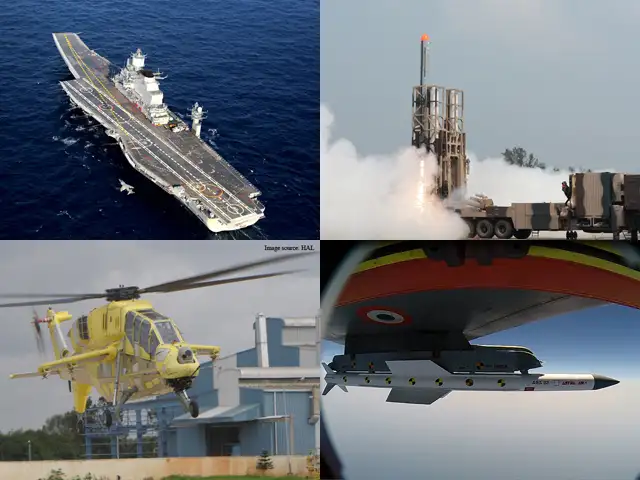
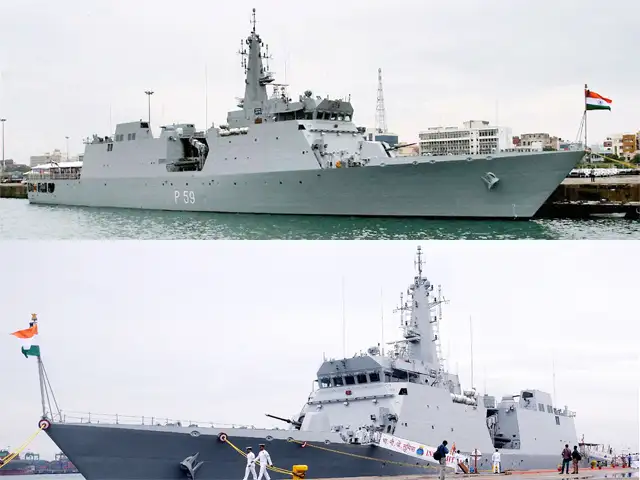
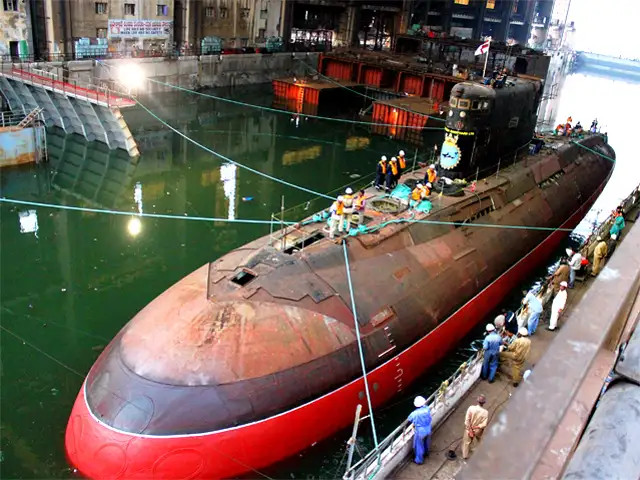
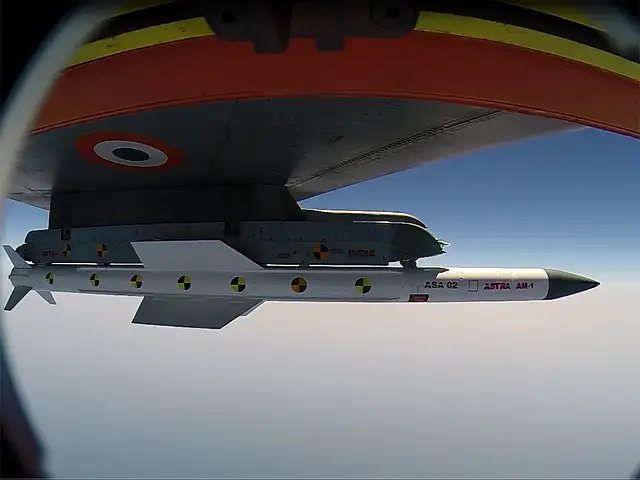
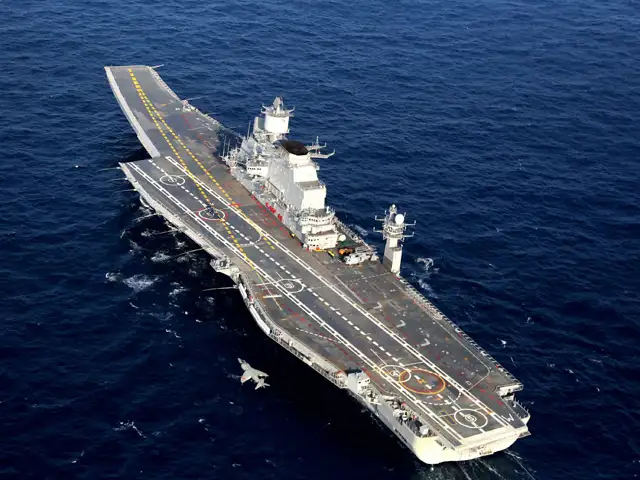
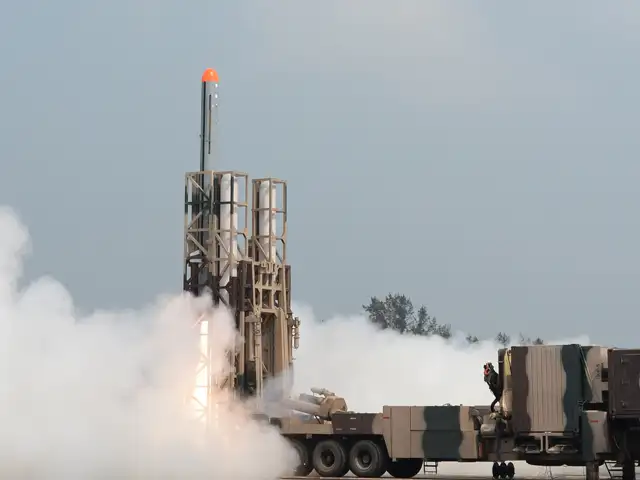
The need to have robust defence capabilities in today's day and age cannot be overstated. India has been aggressively pushing to enhance its ability to deter attacks and up its defence prowess.
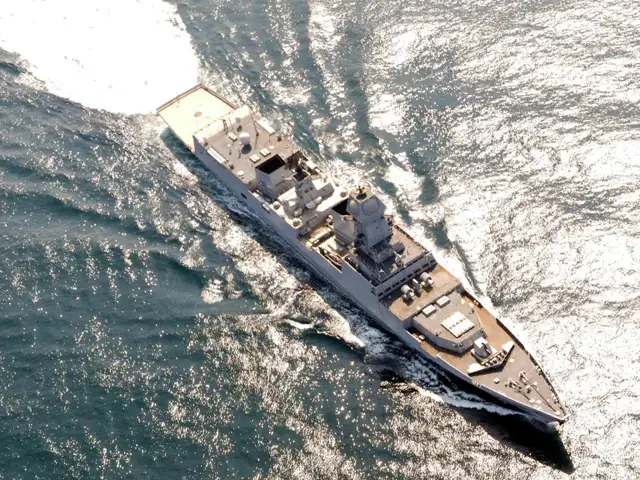
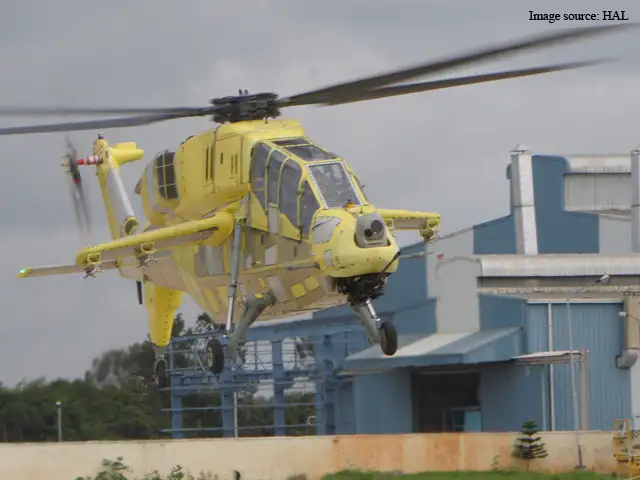
2014 saw multiple steps being taken in that direction and India saw many new additions to its defence fleet. We take a look at eight achievements that deserve a special mention:
The need to have robust defence capabilities in today's day and age cannot be overstated. India has been aggressively pushing to enhance its ability to deter attacks and up its defence prowess.
2014 saw multiple steps being taken in that direction and India saw many new additions to its defence fleet. We take a look at eight achievements that deserve a special mention:

ADVERTISEMENT


